The ongoing US-Iran conflict took a sharp turn on Saturday after Houthis target Saudi Aramco oil facilities in Jizan and Yanbu using dozens of ballistic missiles and armed drones. This attack follows Saudi airstrikes on the rebel-held port city of Hodeida, marking a major jump in local tensions. With drone strikes spreading from the Red Sea to key shipping corridors, energy markets are on edge over potential supply breakdowns.
Why the Houthis Target Saudi Aramco Oil Facilities
The main driver behind these attacks is retaliation. After Saudi forces struck Hodeida, Houthi military leaders warned that they would match every action with an equal response. By hitting vital energy infrastructure on the Red Sea coast, the group aims to pressure Saudi Arabia and disrupt global energy movement.
At the same time, regional water routes are becoming blocked. While Iran continues to stop commercial vessels near the Strait of Hormuz, the Houthis maintain a tight hold on the Bab el-Mandeb Strait. This double bottleneck forces oil tankers to reroute or freeze movement, driving up security costs across the Middle East.
Economic Impact and Global Oil Markets
Brent crude prices swung wildly this week, briefly breaking $100 a barrel before dropping slightly. Even minor disruptions at processing plants can send fuel prices higher for everyday consumers around the world.
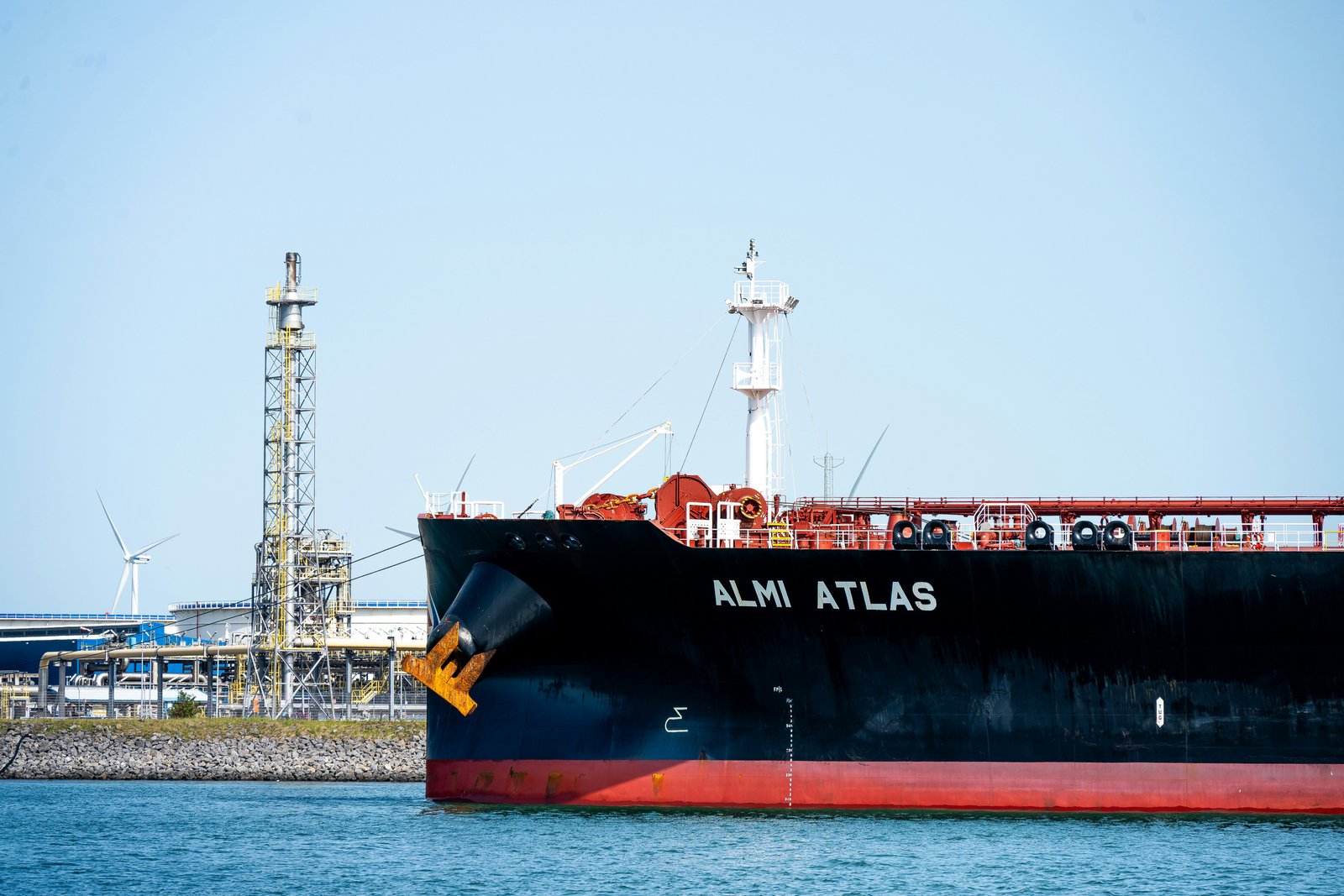
Shipping companies now face tough choices. Some vessels are changing their registration details or taking long detours around Africa to avoid drone strikes. If these attacks keep happening, transport costs will stay high, keeping pressure on global trade routes.
My Opinion
In my view, targeting energy infrastructure to win political points is a dangerous game that hurts ordinary people everywhere first. Houthis targeting Saudi Aramco oil facilities is not cool; they aren’t just sending a message to foreign militaries; they are hitting the global economy right where it hurts.
We are watching a domino effect play out. One retaliatory strike leads to another, and before long, critical supply chains are choked off. Escalating military strikes won’t bring long-term security to these shipping lanes. Until the core tensions between the US, Iran, and regional proxies are addressed through real diplomatic channels, critical infrastructure will remain in the crosshairs, and regular citizens will pay the price at the pump.
Bottom Line
The decision of Houthis to target Saudi Aramco oil facilities shows how quickly local proxy battles can spill over into global economic problems. As maritime blockades tighten around the Strait of Hormuz and the Red Sea, the risk to energy supplies grows. Restoring safety to these trade routes will require backing down from aggressive military moves before the economic damage becomes permanent.