Since we already talked about the paper trumpets, the City Boys buses, and the whole “four more years of wonders” show in Part One, let us ask the million-naira question every tired Nigerian is muttering in traffic and market stalls right now: If not Tinubu, then who? With the January 16, 2027 presidential election practically knocking on our door and INEC dropping the final list of 19 presidential tickets, everybody is shouting “change,” yet nobody wants to enter another one-chance bus. So let us sit down like sensible people, drop all the grammar, and examine three major challengers trying to unseat President Bola Tinubu, starting with the man the youths call their own, and checking if any of them actually has what Nigeria needs.
1. Peter Obi: The Youth Choice
Once upon a time in Anambra State, there was a man named Peter Gregory Obi, a former trader, bank chairman, and quiet businessman who shocked political godfathers by winning the governorship seat in 2006 through the courts, getting impeached, fighting his way back, and serving two full terms until 2014.” Now at 66, after leaving the Labour Party and ADC behind, Obi is flying the flag of the Nigeria Democratic Congress (NDC) with former Kano Governor Rabiu Kwankwaso as his running mate.
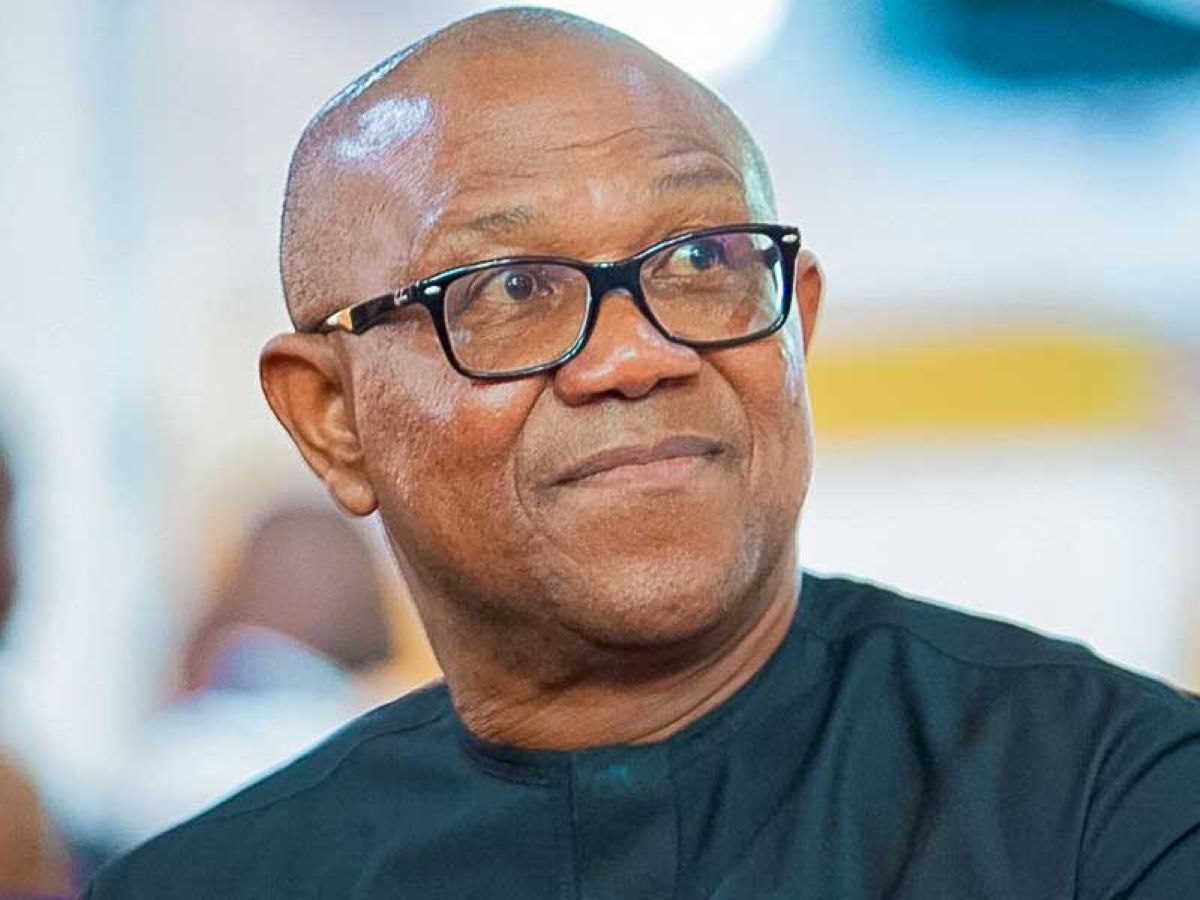
Let us be honest about what Obi actually did in Anambra, so nobody sells us fake gist. He cleared billions in pension and gratuity arrears, returned mission schools to churches while funding education heavily, pushed Anambra near the top of WAEC rankings, built hundreds of kilometers of roads, and famously left billions of naira in state savings without borrowing a single kobo from banks. His “save money, block leakages” style sounds sweet to Nigerians watching politicians buy luxury SUVs.
Can he unseat Tinubu, and is his politics great? Pairing with Kwankwaso gives him serious northern muscle he lacked in 2023, which makes him a real threat. Still, let us look at the flip side: running a small state like Anambra with a frugal trader mindset is very different from managing a chaotic, 220-million-person federation where entrenched cabals fight every reform. Jumping across political parties in just a few years also raises questions about whether his new NDC structure has enough polling-unit agents across every remote ward to protect votes when election-day wahala starts.
2. Atiku Abubakar: The Perennial Contender Who Never Gives Up
If persistence were a trophy, 81-year-old Atiku Abubakar would own the whole stadium. Having served as Vice President from 1999 to 2007 and contested for the presidency across multiple decades, the former customs officer and businessman from Adamawa is back on the 2027 ballot under the African Democratic Congress (ADC), this time pairing up with former Rivers Governor and ex-Transportation Minister Rotimi Amaechi.
Atiku’s selling point has always been experience; he understands federal power, pushes for restructuring so states control more of their resources, and favors privatizing struggling government assets so business can breathe. With Amaechi bringing South-South grit.
Many young Nigerians look at Atiku and ask, “Baba, since 1993?” Voters already tired of recycled politicians wonder if an 81-year-old veteran represents fresh energy or just another chapter of old-school politics, and splitting opposition votes between his ADC ticket and Obi’s NDC ticket could easily hand Tinubu an easy walk back into Aso Rock.
3. Seyi Makinde: The Engineer Trying to Sell Quiet Performance
While the big noise swirls around Tinubu, Obi, and Atiku, Oyo State Governor Seyi Makinde, running on the Allied Peoples Movement (APM) ticket with Musa Lawal Daura, is pitching himself as the practical, younger alternative at 60. An engineer and oil-and-gas entrepreneur before entering politics, Makinde won two terms in Oyo State by focusing on road infrastructure, prompt payment of workers’ salaries on the 25th of every month, agribusiness hubs, and relative peace in Ibadan.
Makinde’s appeal is simple: he is neither a fiery street agitator nor an octogenarian career politician, and he knows how to work with both grassroots unions and corporate investors. However, stepping from Agodi Government House onto the national stage on a smaller party platform without massive northern alliances makes unseating an incumbent president an uphill mountain to climb.
My View
Nigerians have a dangerous habit of treating every election like a search for one superhero who will descend from heaven and wipe away all our problems without citizens doing any follow-up work.
Every four years we fall in love with a new nickname, the “performer,” the “unifier,” the “frugal manager,” only to wake up two years later complaining that nothing changed. Peter Obi has a solid record of prudence, Atiku knows the federal machine inside out, and Seyi Makinde has shown steady governance in Oyo State. Yet every single one of them operates inside the same broken political culture where party defections, ego battles, and divided opposition often matter more than the hunger of the common man.
If Nigerians truly want out of this hardship, we must stop letting politicians divide us along tribe, religion, or blind fan clubs. Pick the candidate whose track record actually matches our needs, show up to vote without selling your future for a bag of rice or a few thousand naira, and stay awake after the swearing-in ceremony, because a country only gets the leadership it is brave enough to hold accountable.