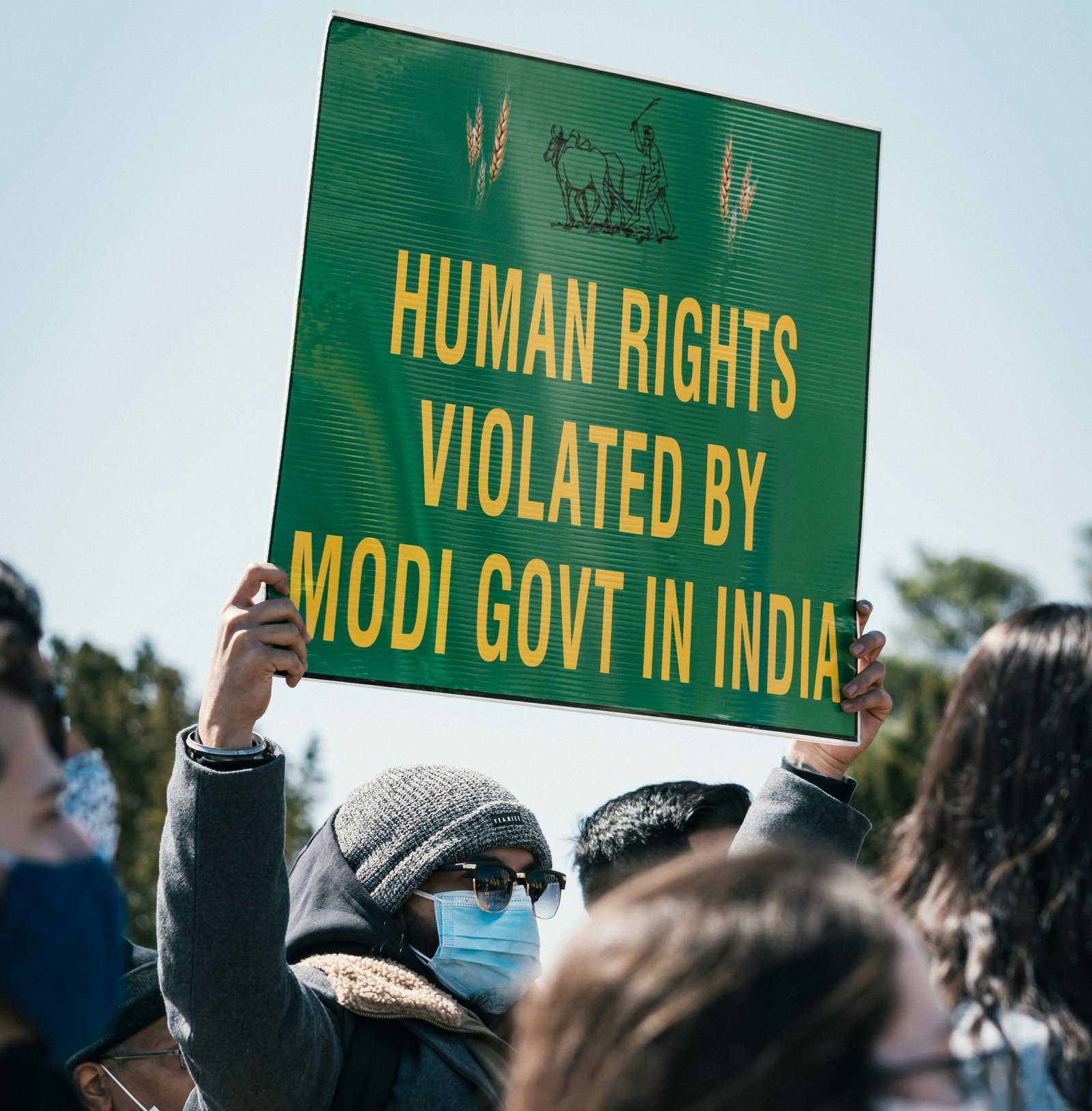

More than 130 million people have been removed from India’s electoral rolls on various grounds, according to data released by the Election Commission, prompting anger, accusations of foul play, and a new surge of protests challenging Prime Minister Narendra Modi.
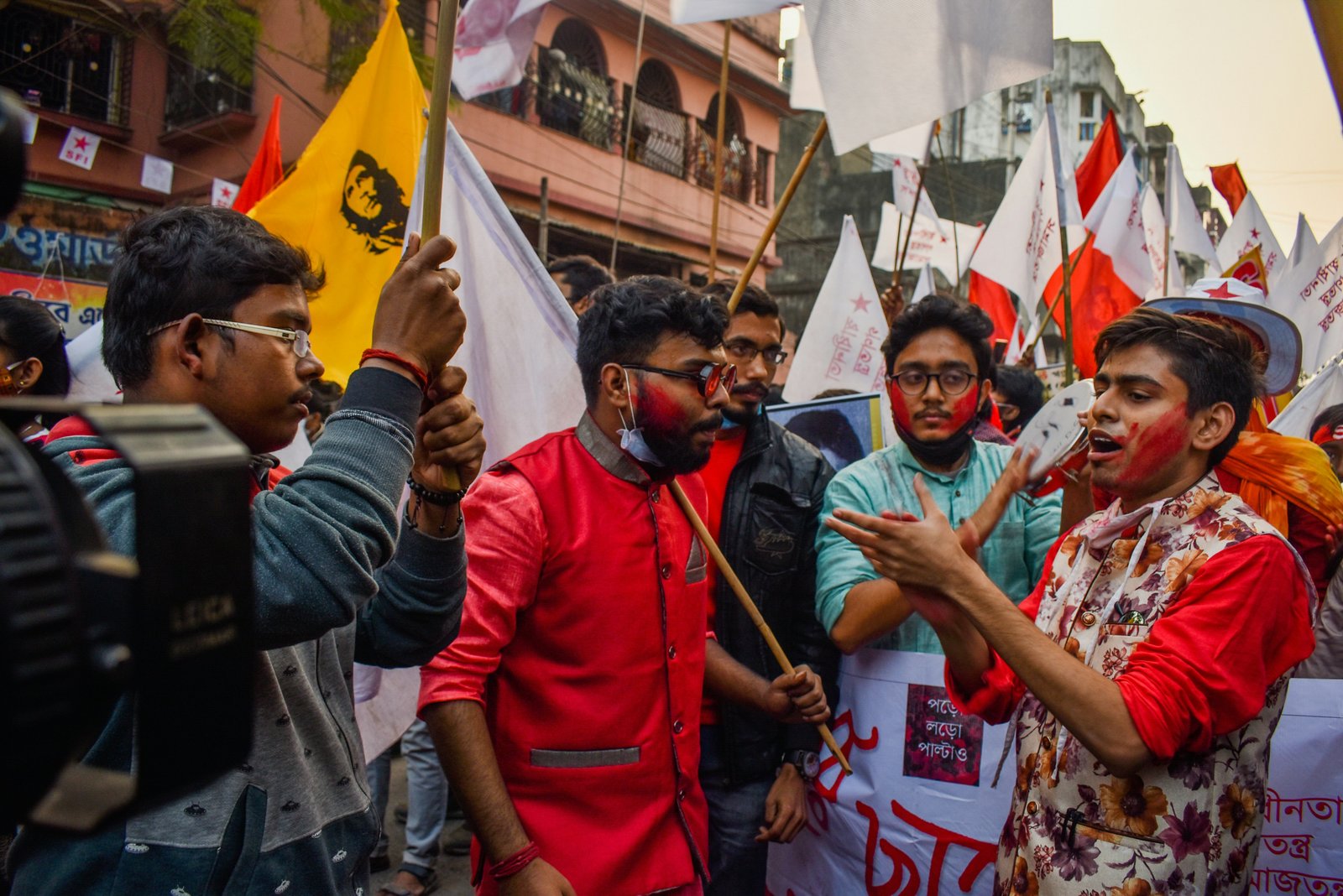
The number of people removed is equivalent to the entire population of Mexico. Leaders of the Cockroach Janta Party, a youth-led movement, were detained early Tuesday at a protest site where they were chanting slogans demanding the resignation of Chief Election Commissioner Gyanesh Kumar. At the weekend, more than 2,400 protesters were temporarily detained. On Monday, opposition leaders marched to the Supreme Court seeking its intervention.
The Official Position
The official position is that the names removed are of those who are dead, are duplicates, are absent from their homes, untraceable, or have permanently moved. The Election Commission said the figure referred to electors marked as absent, shifted, deceased, or duplicate in the draft rolls and did not represent the number of names deleted from the final electoral rolls.
BJP spokesperson Sudhanshu Trivedi said the number of those removed did not include valid voters. The Election Commission and BJP deny allegations of political manipulation.
The Voices of the Disenfranchised
Maya Devi lives in an informal settlement on the outskirts of Delhi. She is among those removed from the rolls.
“I have been voting for decades, and suddenly that right has been taken away from my entire family and me. I’m shocked,” Devi told Newsweek. “There are six or seven people in my family, and none of us can read or write. All our names have been removed from the voter list.”
“We were told to go back to where we came from or rent a place in Delhi, but we cannot afford that. We want our voting rights back,” she said. “We don’t know what to do, whom to contact or how to get our names back.”
The Legal Analysis
Hrishika Jain, a legal scholar at the National Law School of India University, told Newsweek that the Special Intensive Revision — the exercise to verify and update electoral rolls — must be rolled back. “There’s no fair way to do it.”
Jain said the process disproportionately affects people without stable housing, including migrant workers who regularly return to their villages for seasonal work or who struggle to access older family documents.
“It’s sort of requiring an absurdly high degree of literacy and consistency from populations that cannot provide that,” she said. The implications could extend beyond voting rights to housing rehabilitation claims, she added.
The Electoral Impact
Political analyst Neelanjan Sircar analyzed the relationship between voter-roll removals and electoral outcomes in West Bengal’s 2026 election, in which Modi’s party secured an unprecedented victory. He said the median constituency-level contraction in voter rolls was around 10 percent compared with 2024. At that level, his analysis predicted an approximately four-percentage-point swing from the Trinamool Congress to the BJP, suggesting the revision may have helped the BJP at the TMC’s expense.
Sircar cited a Sabar Institute audit finding that Muslims accounted for more than 70 percent of the 2.7 million voters removed in the second phase.
Praveen Rai, a political analyst at the Centre for the Study of Developing Societies, said there was no credible evidence that voters from any religious or caste group had been deliberately removed to benefit the BJP. He said the deletions were mostly valid.
The Bottom Line
India has removed more than 130 million people from its electoral rolls, a number equivalent to the population of Mexico. The government says the removals are of dead, duplicate, or absent voters. Critics say the process disproportionately affects the poor, illiterate, and minorities, and could benefit Modi’s BJP. Protests have erupted across the country, with thousands detained and opposition leaders appealing to the Supreme Court.
My Opinion
India calls itself the world’s largest democracy. But a democracy that removes 130 million people from its voter rolls is not a democracy. It is a system that decides who gets to participate. And the people deciding are the people in power.
The government says the removals are routine — dead voters, duplicates, people who moved. But Maya Devi has been voting for decades. She is not dead. She did not move. She was removed because she cannot read or write and could not navigate the paperwork. Her entire family was removed with her.
The numbers are disturbing. An audit found that Muslims accounted for more than 70 percent of the 2.7 million voters removed in one phase. An analyst found that a 10 percent contraction in voter rolls in West Bengal predicted a four-point swing to Modi’s party.
The Election Commission should be independent. It should be a referee, not a player. But when the referee is appointed by the government and oversees the removal of millions of voters who oppose that government, the game is rigged.