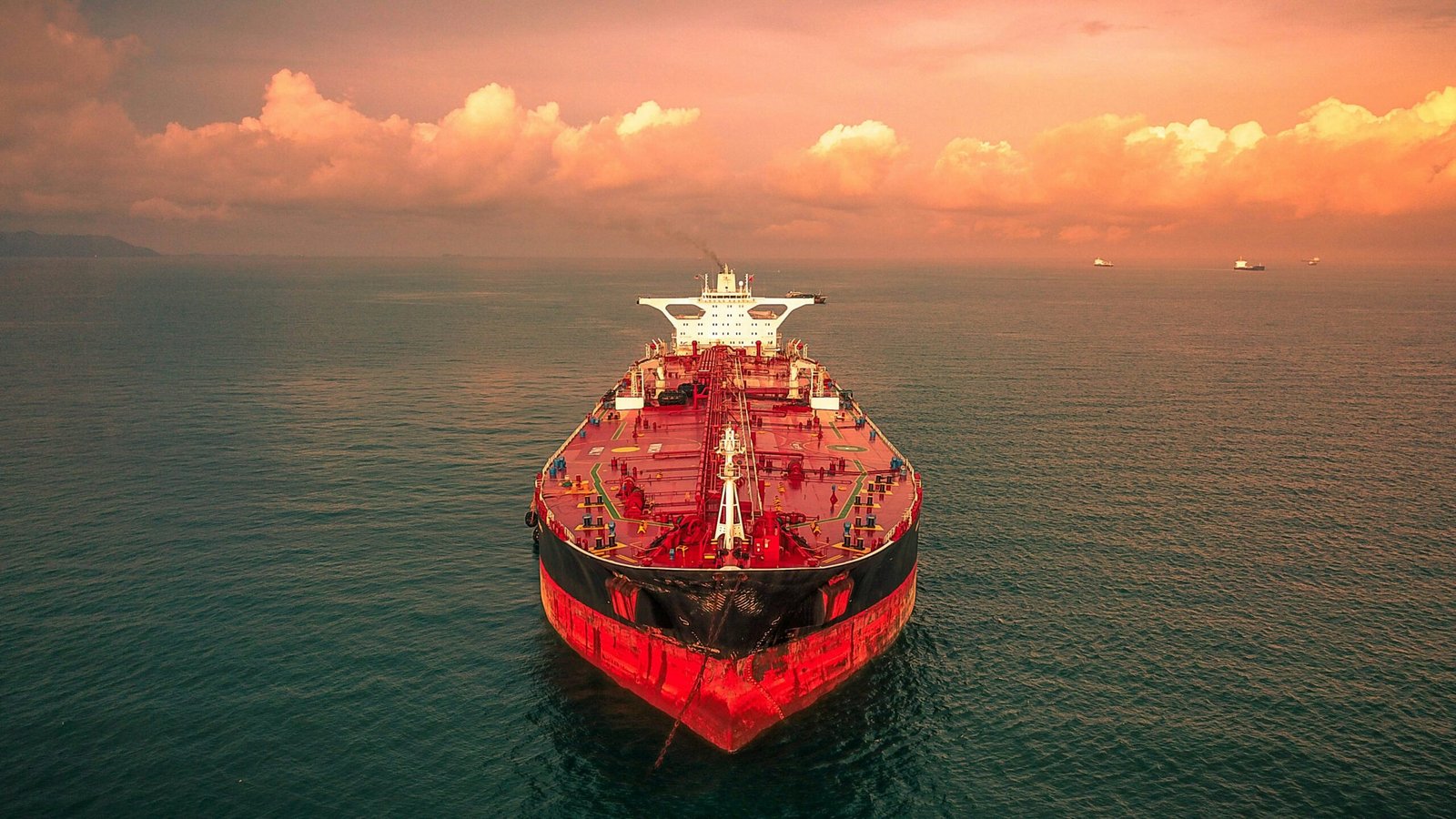
Tensions between Iran and the United States escalated further on Tuesday after Iran attacked a tanker in the Strait of Hormuz, forcing its crew to abandon the vessel, while US forces carried out another wave of airstrikes against Iranian military targets.
The latest developments marked the 10th consecutive night of US strikes, with Washington seeking to weaken Tehran’s control over the strategic waterway, through which roughly one-fifth of the world’s crude oil and natural gas shipments traditionally pass during peacetime.
Despite the sustained bombardment, Iran has continued to maintain its grip on the strait. At the same time, Iranian Interior Minister Eskandar Momeni travelled to Pakistan for talks, with Islamabad attempting to mediate the growing conflict.
The fragile ceasefire agreement reached last month has effectively collapsed, while commercial shipping through the Strait of Hormuz has slowed dramatically as both sides continue military operations. Civilian infrastructure across the region has also come under attack.
The US State Department issued a fresh security alert, warning Americans of possible retaliatory attacks.
“Iran and groups supportive of Iran may target other US interests overseas or at locations associated with the United States and Americans throughout the world,” the department said.
The prolonged conflict has continued to affect global energy markets, with Brent crude trading above $88 per barrel on Tuesday. Average petrol prices in the United States also climbed to around $4 per gallon.
Meanwhile, the US military confirmed the identities of two soldiers killed in Jordan, while another service member remains missing. Separately, another American soldier died in Iraq during the controlled detonation of a downed Iranian drone.
President Donald Trump vowed a forceful response to attacks on American troops.
“Every time Iran kills an American Soldier they will pay for that killing many times over!” Trump wrote on social media.
The US president is expected to attend a ceremony at Dover Air Force Base as the remains of at least one fallen service member return home.
The US Central Command said the latest operation targeted multiple Iranian military facilities.
“Iranian military command centers, maritime capabilities, missile and drone launch sites and air defense systems,” were among the targets, it said.
The command added, “American forces remain postured and prepared to hold Iran accountable for unwarranted aggression toward civilian mariners seeking to freely and openly transit the strait.”
According to the United Kingdom Maritime Trade Operations (UKMTO), a commercial tanker was attacked early Tuesday in the Strait of Hormuz off the coast of Oman, forcing its crew to abandon the ship. Iran’s Revolutionary Guard later claimed responsibility for the attack, along with two other strikes on vessels carried out on Monday.
Elsewhere in the Middle East, Kuwait reported intercepting incoming projectiles with its air defence systems, while Jordan’s military said it shot down three Iranian missiles without casualties or damage. Bahrain also condemned Iranian drone attacks targeting its air traffic infrastructure.
The Pentagon said nearly 100 US service members have sustained injuries since Washington resumed military operations on July 7, although most have returned to active duty.
Pentagon spokesperson Sean Parnell said, “The vast majority of injuries experienced were minor concussions,” rejecting claims that the military was concealing casualty figures.
The conflict also widened after Yemen’s Iran-backed Houthi rebels announced a maritime blockade against Saudi Arabia, threatening to target shipping through the Bab el-Mandeb Strait in retaliation for what they described as an attack on Sanaa International Airport.
Saudi Arabia vowed to keep the shipping lane open.
“All Houthi threats against transiting vessels will be dealt with swiftly and firmly, as such threats are a blatant violation of international law and fall under acts of maritime piracy,” Saudi military spokesman Maj. Gen. Turki Al-Malki said.
Pakistan has intensified diplomatic efforts to revive negotiations between Washington and Tehran. US Secretary of State Marco Rubio reiterated that diplomacy remains possible if Iran is willing to engage sincerely.
“If the door opens to diplomacy, if the guys that want to do something productive for Iran win and take control of that system, or take control of the negotiations, that’ll be a very positive development,” Rubio said.
“That’s not where we are tonight, unfortunately.”
Iranian officials said at least 50 people were killed and more than 500 injured in the latest US strikes. Since the conflict erupted on February 28, US authorities say 17 American service members have been killed.