
Iran has suspended talks with the United States in protest over Israel’s military actions in Lebanon, according to semi-official Iranian state media. Tehran said Israel’s strikes on Beirut “violated” the existing ceasefire.
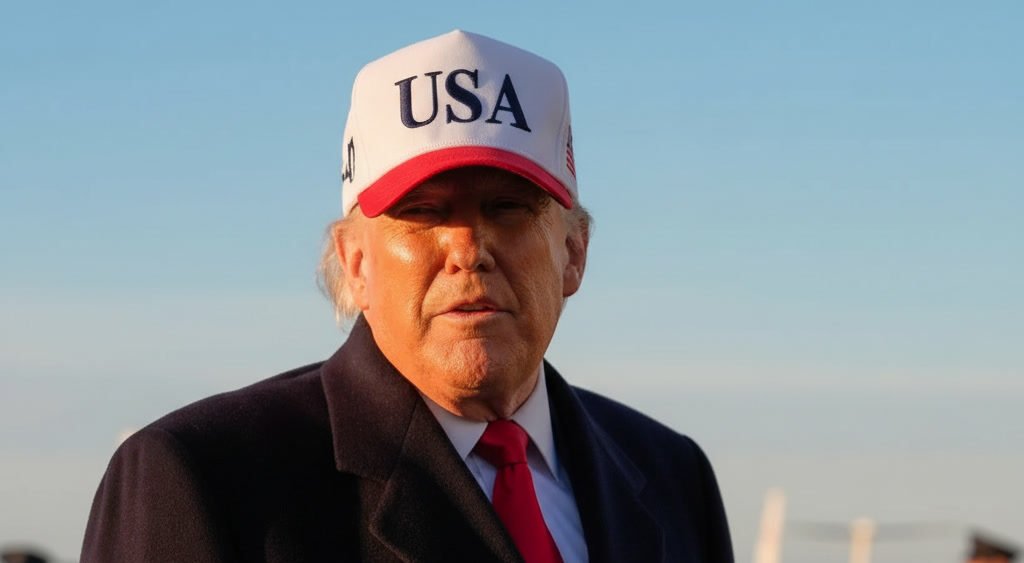
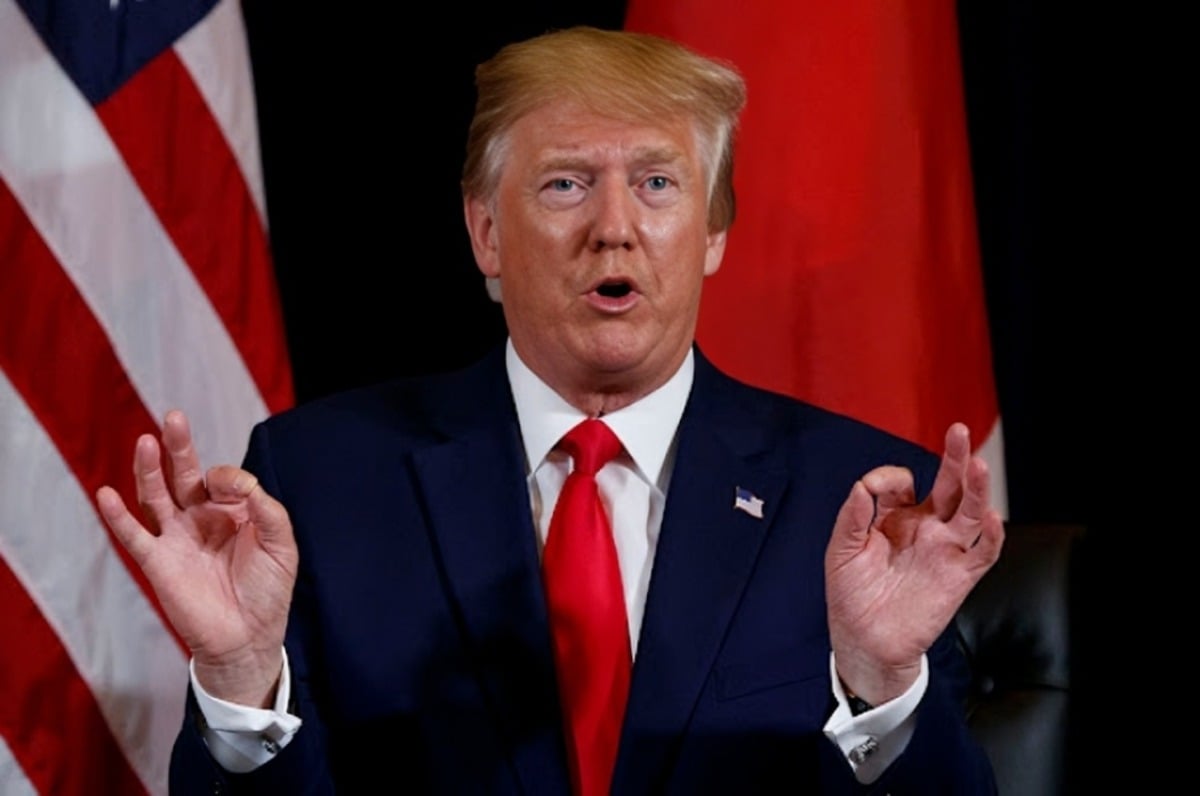
President Donald Trump immediately contradicted the report. “Talks are continuing, at a rapid pace, with the Islamic Republic of Iran,” Trump posted on Truth Social.
One side says the talks are frozen. The other says they are moving fast. Both cannot be true. The truth may be that the ceasefire is hanging by a thread.
Israel Strikes Beirut
Israeli Prime Minister Benjamin Netanyahu instructed the military to strike Beirut’s Dahieh district, a stronghold of Iran-backed Hezbollah. Trump said he spoke with Netanyahu and that no Israeli troops would be going into Beirut. Trump also claimed he spoke with Hezbollah leadership, “and they agreed that all shooting will stop.”
Israeli lawmakers from across the political spectrum slammed Netanyahu. Far-right Minister Itamar Ben Gvir said it was time to “remove the constraints on our fighters.” Opposition leader Avigdor Liberman said it was “unacceptable” that Israel had not struck Beirut more aggressively.
Former Prime Minister Naftali Bennett described the situation as a “government that has lost control of Israeli sovereignty.”
A New Threat: Bab al-Mandab
Iranian media also reported that Iran and its allies are considering the “activation of other fronts,” including the Bab al-Mandab strait at the southern end of the Red Sea. The closure of that waterway — a critical gateway to the Suez Canal — could significantly disrupt global trade.
Oil prices rose sharply after the news. Brent crude gained 6% to trade at $97.02 a barrel. West Texas Intermediate climbed around 7.5% to $93.93.
The strait has remained largely navigable throughout the current war, preserving a critical export route for Saudi Arabia after Iran effectively shut the Strait of Hormuz. That may now change.
The Human Toll
Since March 2, at least 3,433 people have been killed in Israeli attacks on Lebanon, according to the Lebanese Health Ministry. More than 10,000 have been wounded. Of the dead, at least 240 are children, 326 are women, and 127 are healthcare workers.
More than 1.2 million people have been displaced. Israel says 24 of its soldiers and four Israeli civilians have been killed on both sides of the border.
The numbers are not balanced. The war is not contained. And the ceasefire is not holding.
What Trump Says
Trump told NBC News that Iran hasn’t yet informed the US that it is cutting off talks. “I think we’ve been talking too much, if you want to know the truth. I think going silent would be very good,” he said.
He said the development did not mean the US would restart full-scale military operations. “It doesn’t mean we’re going to go and start dropping bombs all over there,” he said. “We’ll just go silent. We’ll keep the blockade. Blockade is a piece of steel.”
Trump insisted he feels no pressure to reach a deal quickly. “I think I can wait as long as they want,” he said.
Iran’s parliament speaker, Mohammad Bagher Ghalibaf, said earlier that no agreement will be approved until Tehran’s “rights” are secured, and that the US blockade and Israel’s war in Lebanon “are clear evidence” of US “noncompliance with the ceasefire.”
The Bottom Line
Iran has suspended talks with the United States in protest over Israel’s military strikes on Lebanon. President Trump says negotiations continue at a “rapid pace.” Israel has struck Beirut’s Dahieh district, a Hezbollah stronghold. Iran is now threatening to close the Bab al-Mandab strait, a critical Red Sea shipping route. Oil prices jumped 6%. More than 3,400 people have been killed in Lebanon since March. The ceasefire is not holding. The talks are in doubt. And the war is expanding.