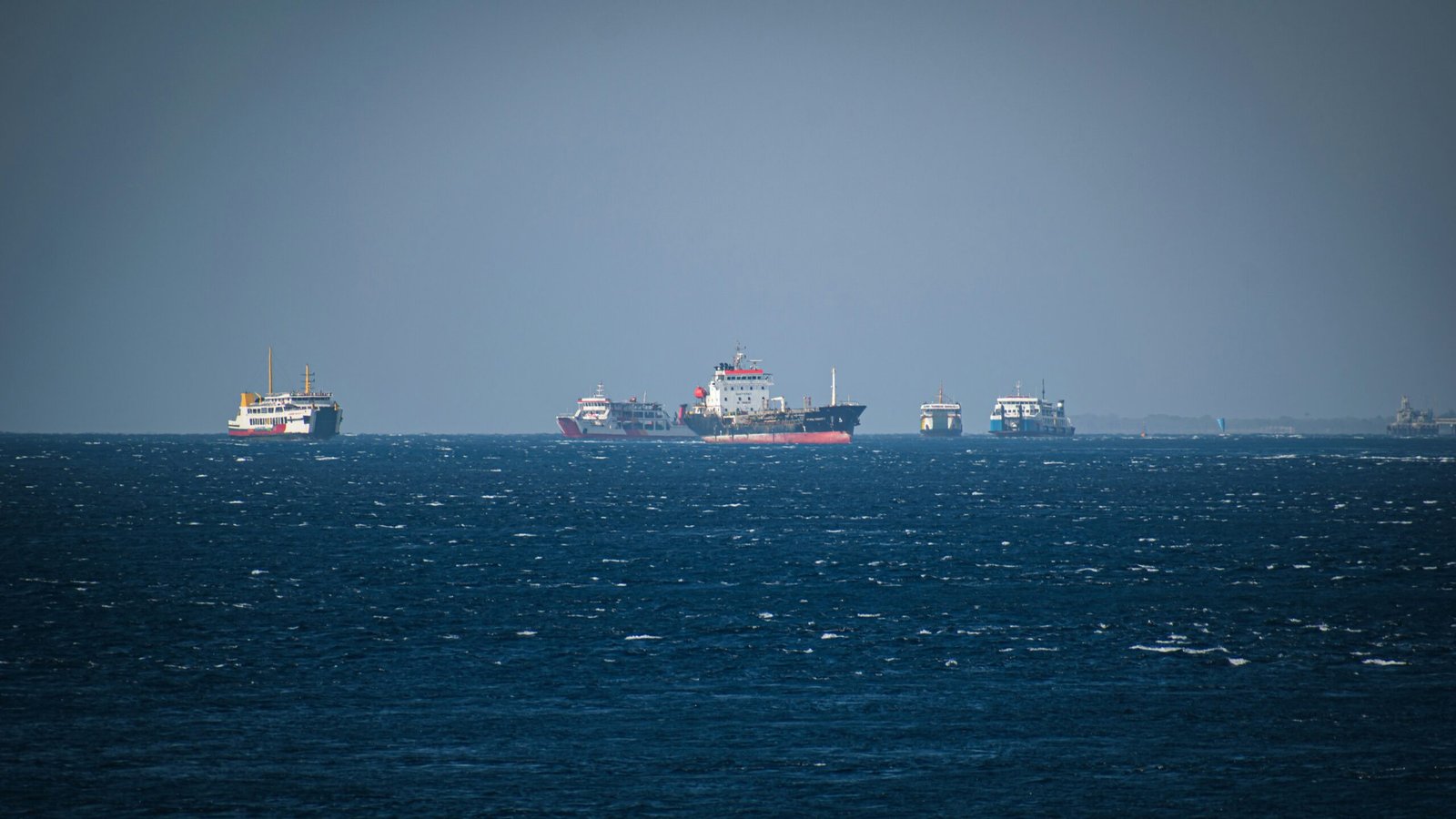

Iran has announced plans to introduce a system of maritime fees in the Strait of Hormuz in two months, claiming a historic victory over the United States and insisting the critical waterway is under its control.
The announcement came as the US lifted its blockade of Iran on Thursday, allowing oil tankers to begin freely moving through the channel for the first time in nearly four months. However, Tehran’s warning that it will impose fees to cover the cost of managing the strait has drawn immediate pushback from Gulf allies.
Saudi Foreign Minister Prince Faisal bin Farhan Al Saud challenged the Iranian plan, saying: “The management of the strait was working fine before the conflict. There were no issues. Ships were navigating freely. So why should we now, as a result of a conflict, accept some novel arrangement that is going to be imposed on it?”
The Deal and Its Terms
The maritime fee plan will come into effect after the 60-day negotiation period triggered by the signing of a memorandum of understanding between Iran and the US. Iran’s supreme leader, Ayatollah Mojtaba Khamenei, approved the deal and endorsed direct negotiations with Trump’s team, saying the US president had “used all kinds of levers” to secure the deal “out of desperation.”
The US and Iran have signed the 14-clause memorandum, which includes provisions for lifting sanctions on Iran’s oil exports and ensuring commercial traffic flows freely through the Strait of Hormuz. Technical-level talks between the two sides will now go ahead at a luxury resort in Switzerland to focus on implementation.
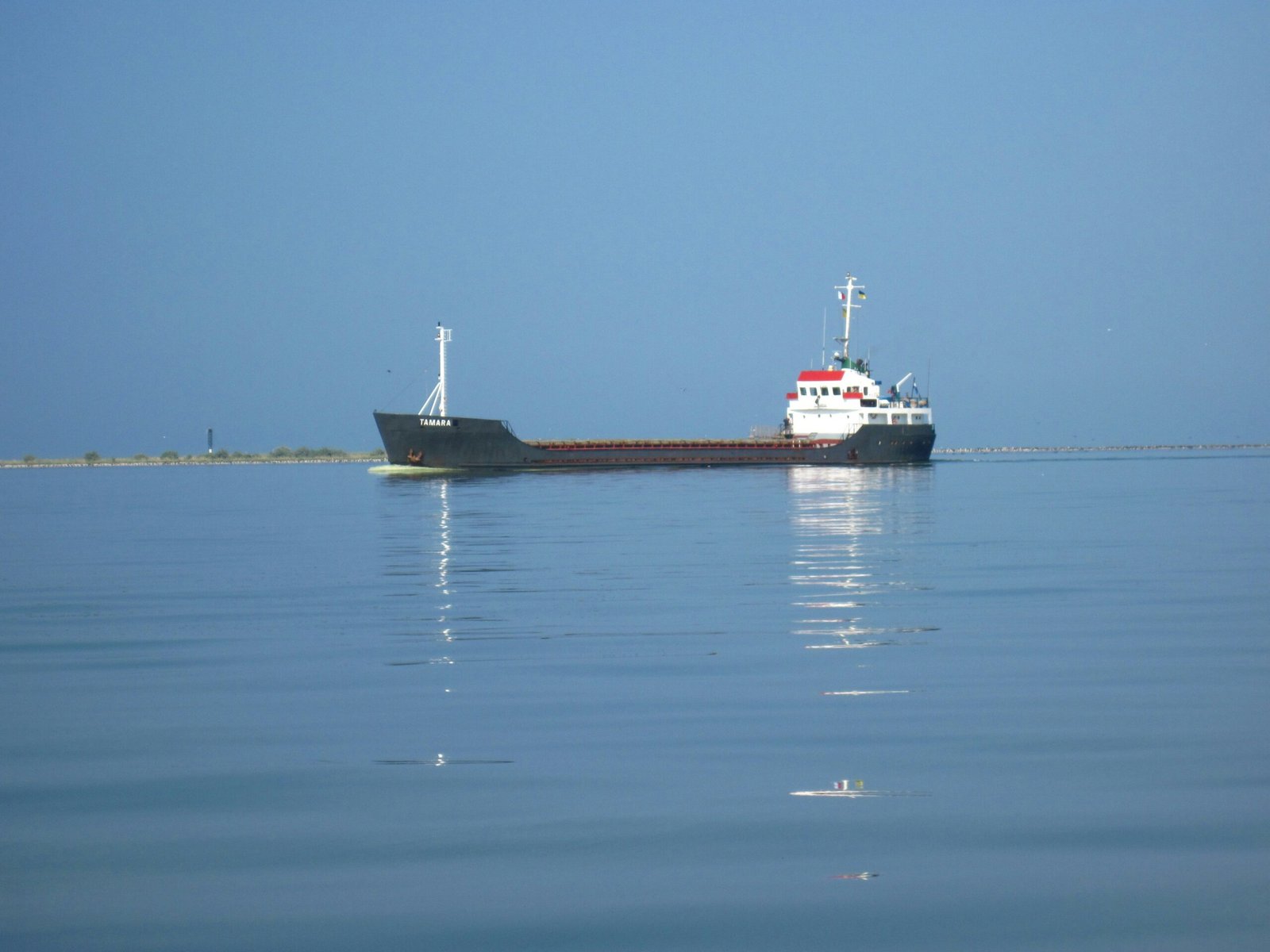
However, Iran’s chief negotiator, Mohammad Bagher Ghalibaf, made clear that the strait would not simply return to its pre-war status. He said the waterway needed to be managed, which would come at a cost.
Regional Reactions
The Iranian plan has been met with skepticism from key Gulf states. Muath Alwari, the UAE’s director of policy planning, noted that the UAE was arguably the recipient of the most Iranian strikes during the war, which targeted hotels, tourist sites, and civilian infrastructure. He added that the UAE’s relationship with Israel got stronger during the war and would only deepen afterward.
Saudi Arabia’s foreign minister echoed the UAE’s concerns, insisting that the strait should return to its pre-war status without any new fees or controls.
Meanwhile, Iran’s foreign ministry has begun the long process of repairing relations with its Gulf allies, hoping they will contribute to a planned $350 billion construction fund. However, Iran’s economic minister warned that the US waiver on oil exports would not produce an economic bonanza, with experts saying it could lead to only a small increase in output in the short term.
Israeli Concerns
The deal has drawn a stinging response from many Israeli politicians and its media. An op-ed in the Times of Israel declared the US-Israel war on Iran was lost due to “US presidential weakness.” Vice President JD Vance scolded Israeli critics, saying: “Donald J. Trump is the only head of state in the entire world who’s sympathetic to the nation of Israel at this moment in time. If I was in the cabinet of the Israeli government, I might not be attacking the only powerful ally that I have anywhere left in the entire world.”
Israeli Prime Minister Benjamin Netanyahu said Israel would continue to “adhere to the supreme objective” of not allowing Tehran to acquire nuclear weapons and would maintain a security zone in south Lebanon “as long as our security needs require it.”
The Bottom Line
Iran has announced plans to introduce maritime fees for the Strait of Hormuz after the US lifted its blockade, claiming the waterway is under its control. The move has drawn pushback from Saudi Arabia and the UAE, who insist the strait should return to its pre-war status. The US and Iran have signed a 14-point memorandum of understanding, with technical talks set to begin in Switzerland. Israel has criticized the deal, while Iran warns that the end of the war will not immediately restore its oil revenues.