Malta is heading to the polls much sooner than anyone expected. Prime Minister Robert Abela dropped the news on Monday, cutting his term short by an entire year to call a general election for May 30. While the official line is about “stability,” the timing makes it clear that the widening war involving Iran is making everyone in the Mediterranean very nervous.
For weeks, people in Valletta have been whispering about a snap election, but seeing it actually happen feels like a reality check. The Prime Minister didn’t beat around the bush in his televised address; he basically said the world is in a mess, and Malta needs a government that isn’t looking over its shoulder at an upcoming campaign.
Why the Sudden Rush to the Polls?
On paper, Abela doesn’t need to do this. His Labour Party has a massive lead, and the economy is doing better than almost anywhere else in Europe. But the war in the Middle East has changed the math.
Malta is a small island that relies on imports for almost everything. When Iran and the surrounding region catch fire, two things happen that scare Maltese politicians: the cost of keeping the lights on and cars running could skyrocket. If aviation fuel prices go through the roof or people get too scared to fly over the Mediterranean, Malta’s main money-maker takes a huge hit.

By calling the election now, Abela is trying to lock in another five years before the economic fallout of the war really starts to hurt the average person’s pocketbook. It’s a “get it over with while things are still good” strategy.
”Stability” vs. The Reality of War
The Prime Minister kept hitting the same note during his announcement: stability. He’s banking on the idea that when people are worried about international conflicts, they tend to stick with the person they already know.
”Only this government can continue to provide the stability that the country needs,” Abela told the nation. He’s essentially promising to keep energy prices frozen and the economy steady, even as the global situation gets shakier. It’s a daring promise, but with a 2.2% deficit and low unemployment, he actually has some room to move financially, for now.
A New Challenger in a Tight Spot
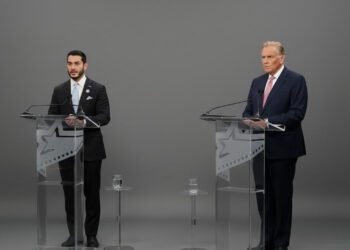
While Abela is playing the “experienced hand” card, he’s facing a new opponent. Alex Borg, the leader of the Nationalist Party, has only been in the job for a few months.
Usually, an early election is a nightmare for an opposition leader who is still trying to get his office organized. In Malta, the gap between the two parties has been at a record high lately, so Borg has a massive mountain to climb in just a few short weeks.
What This Means for the Man on the Street
In Malta, elections aren’t just news; they are a national obsession. Turnout usually hits 90% because everyone feels like they have skin in the game. This time, however, the mood feels a bit different. The “Iran War” isn’t just something on the evening news; it’s the reason their Sunday afternoon was interrupted by an election announcement. People aren’t just voting on local issues this time, they are voting on who they trust to keep the island afloat while the rest of the world feels like it’s sinking.
If Abela wins, he’ll have a record fourth term and a fresh mandate to navigate the storm. If he’s wrong about the timing, he might have just invited a lot of political drama right when the country least needs it.