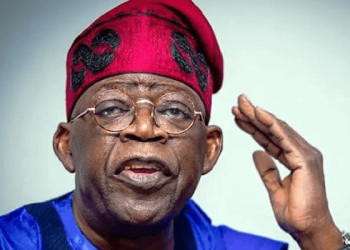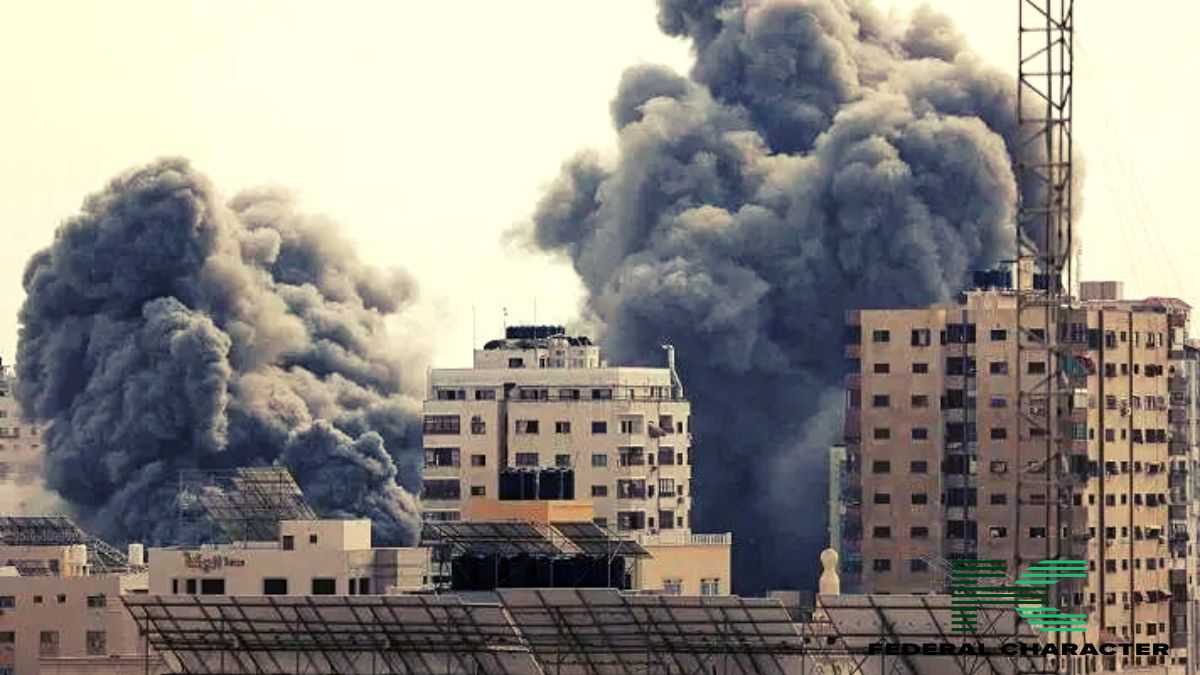

Iran signaled that Mojtaba Khamenei, the son of the late Ayatollah Ali Khamenei, has been selected to ascend to the position of Supreme Leader. The announcement came from the Assembly of Experts amid a backdrop of thick black smoke hanging over the Iranian capital, following devastating Israeli strikes on major fuel storage facilities.
The transition, however, faces an unprecedented external hurdle. U.S. President Donald Trump, speaking from Air Force One, has explicitly demanded a “veto” over the succession process. In a move that challenges the very foundation of the Islamic Republic’s sovereignty, Trump insisted that any new leader must have Washington’s approval to survive.
The “Dynastic” Succession in Tehran
The selection of Mojtaba Khamenei marks a pivotal moment for the Iranian regime, which is currently reeling from the loss of its top leadership in the opening days of the war. Ayatollah Hosseinali Eshkevari, a senior member of the clerical council, confirmed that a vote had been cast to ensure the “name of Khamenei will continue.”
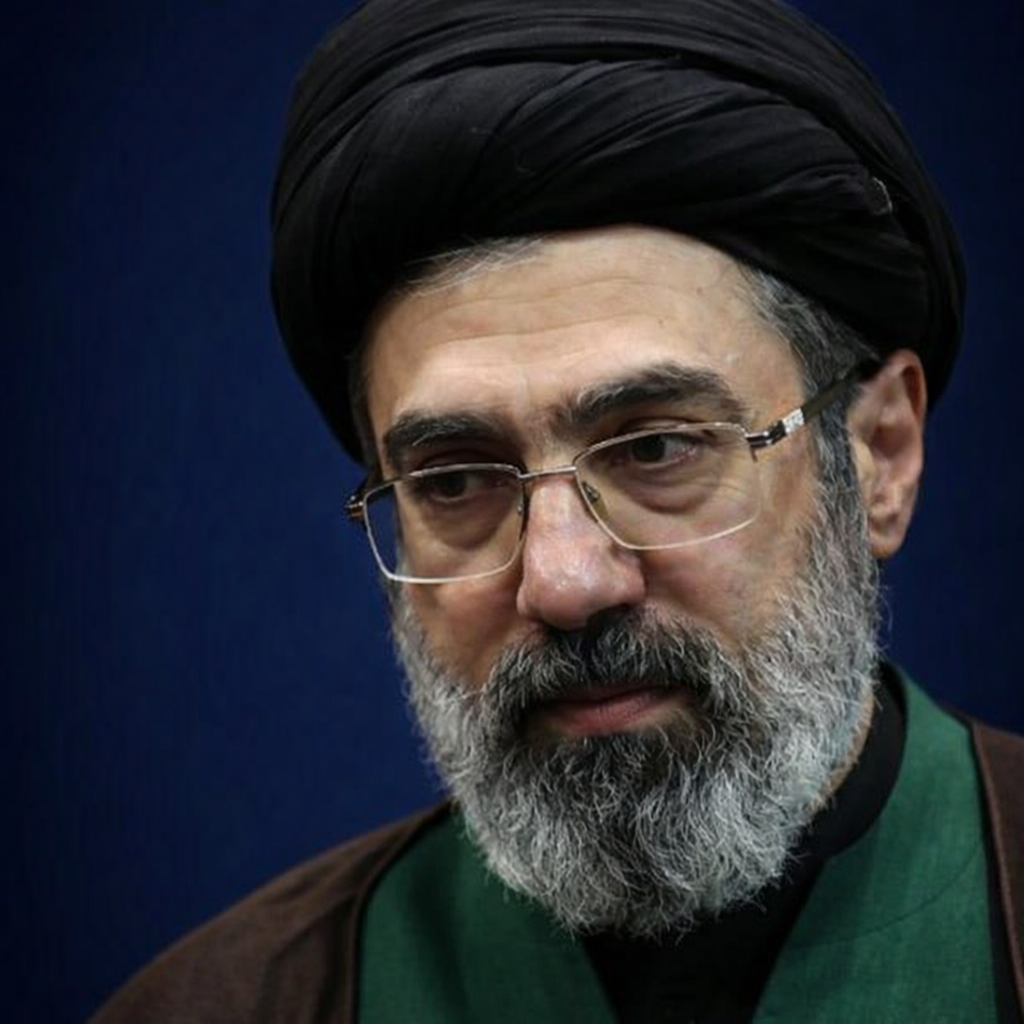
Despite long-standing rumors of opposition to a “hereditary” succession, the council appears to have prioritized stability and hardline continuity as the country faces an existential threat.
While the clerics met, Israel intensified its “Campaign of Surprises,” striking critical oil depots near Tehran. Iranian officials have labeled these attacks a war crime, citing the release of hazardous, toxic materials into the civilian atmosphere.
Israeli military spokespeople defended the strikes, asserting that the depots were being used to store propellant for the ballistic missiles currently being fired at Tel Aviv and U.S. bases in the Gulf.
Trump’s Ultimatum
President Trump’s rhetoric has shifted from seeking a “better deal” to demanding total control over Iran’s future governance. His Sunday morning interview with ABC News sent shockwaves through diplomatic circles, as he suggested that the U.S. military would continue its campaign until a “Great and Acceptable” leader is in place.
“If he doesn’t get approval from us, he’s not going to last long,” Trump warned, referring to Mojtaba. The President further clarified that he is not currently interested in negotiations or a ceasefire, even as global energy prices soar and international travel is snarled by the conflict. He suggested that the war would continue until there was “nobody left” to offer a surrender.
Regional Fallout and Destabilization
The conflict is no longer contained within the borders of the “Big Two.” On Sunday, Bahrain reported that an Iranian retaliatory attack had severely damaged one of its primary desalination plants, threatening the kingdom’s water supply. Meanwhile, in Kuwait, a high-rise building was engulfed in flames following a suspected drone strike, illustrating the “bottleneck” effect of Iran’s desperate counter-offensive.
Prime Minister Benjamin Netanyahu echoed Trump’s hardline stance, promising to strike Iran’s rulers “without mercy” until the regime is fully destabilized. With the head of the Supreme Leader’s military office, Abolqasem Babaian, confirmed killed in a Saturday strike, the Israeli “decapitation” strategy appears to be targeting the very people meant to manage the transition to Mojtaba’s leadership.