

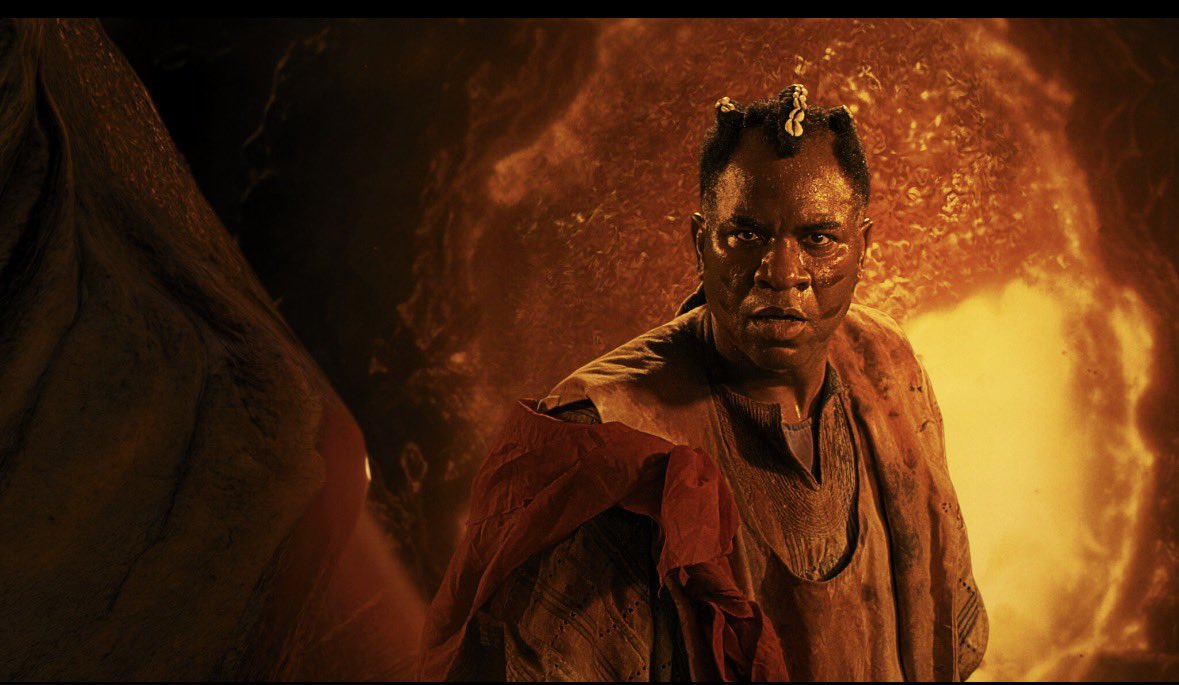
Nollywood filmmaker Kunle Afolayan has responded to the criticism surrounding his latest series, Anikulapo: The Ghoul Awakens, stressing that his work is created for audiences who appreciate thought-provoking cinema rather than mass entertainment.
The five-part series, which premiered on Netflix on January 30, serves as the sequel to his 2022 award-winning film Anikulapo.
Some viewers have expressed confusion over the storyline, prompting Afolayan to clarify his creative intentions in a video shared on Instagram Tuesday evening.
“Something that is very peculiar to the kind of films that we make, we make films for the intellectual. We make films for people who can think. I don’t expect that everybody would like the film or understand the film. But I expect that the people that I am trying to appeal to would get it,” Afolayan said.
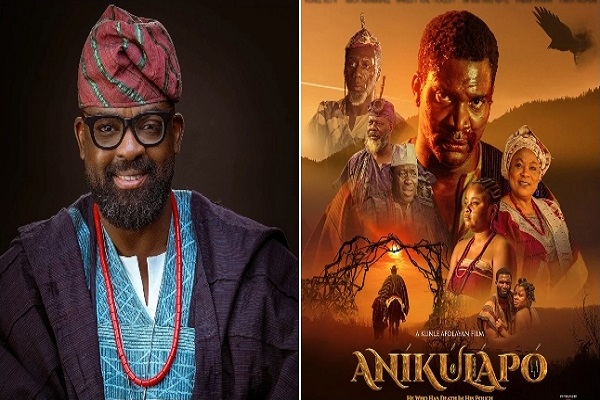
He pointed out that previous projects like Irapada and The Figurine also faced early scepticism before gaining international recognition and critical acclaim.
Afolayan urged critics to wait until the entire series is released before forming opinions, comparing the viewing experience to global hits such as Game of Thrones, where audiences follow weekly episodes to grasp the full story arc.
“I have read from scholars, professors, deepthinkers; I have heard from them, and I appreciate them. To those who really don’t get it, let me break it down in layman’s terms. It is a series that has many episodes. What you have seen are just a few of the episodes. How do you conclude that in your brain that it is not good? When you have not even seen the entire thing,” he explained.
He added, “When you watch series like Game of Thrones and the rest, you have to wait every week before the new episode comes out. You haven’t even seen it all, how come you’ve concluded that the stories are all over the place? We have created new plots. Those who understand literature get it already. Those of you who don’t get it should ask those who do, so they can explain it to you. For us, we would keep appealing to those who have common sense.”
Afolayan’s remarks underline his commitment to crafting layered narratives that challenge audiences and reward careful engagement rather than catering to conventional expectations.