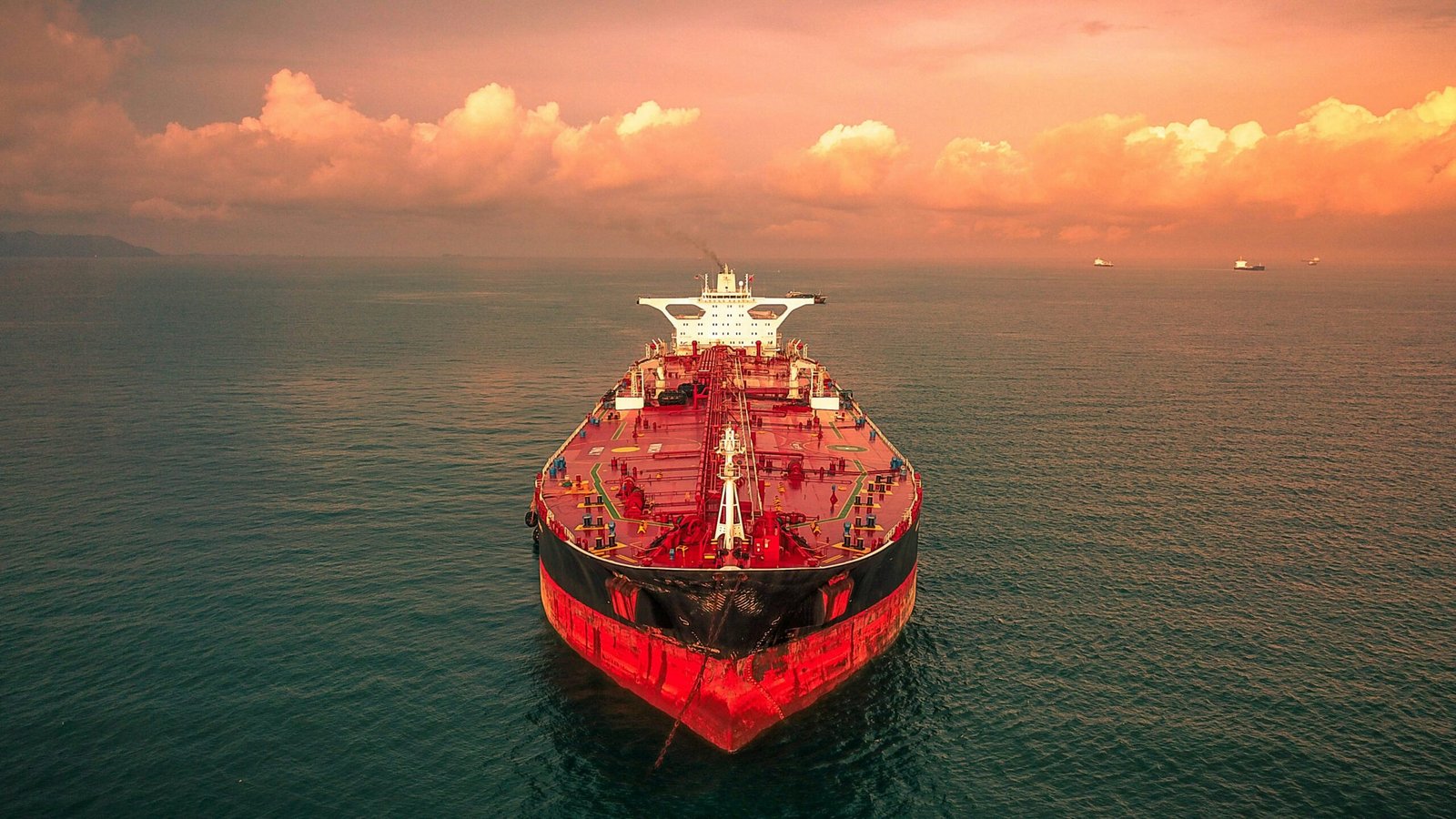

As tensions flared again in the Strait of Hormuz this week, the flag seen most often on some of the world’s largest oil tankers was not that of the United States, the United Kingdom or China, but Liberia.
Data from S&P Global MINT and S&P Global Commodities at Sea showed that at least six Liberian-registered vessels passed through the Strait of Hormuz on July 7, including several Very Large Crude Carriers (VLCCs) transporting millions of barrels of crude oil.
Among them was the CYPRUS PROSPERITY, one of the commercial ships reportedly targeted during the latest escalation in the Gulf.
Although it is a relatively small country, Liberia oversees one of the world’s biggest ship registries, enabling vessel owners across the globe to register their ships under the Liberian flag regardless of where they operate.
The system, commonly referred to as an open registry or flag of convenience, has made Liberia one of the world’s foremost flag states.
International maritime law requires every commercial vessel to be registered in a country and sail under that nation’s flag. The country of registration, known as the flag state, is responsible for ensuring the vessel complies with safety rules, environmental standards, and international shipping regulations.
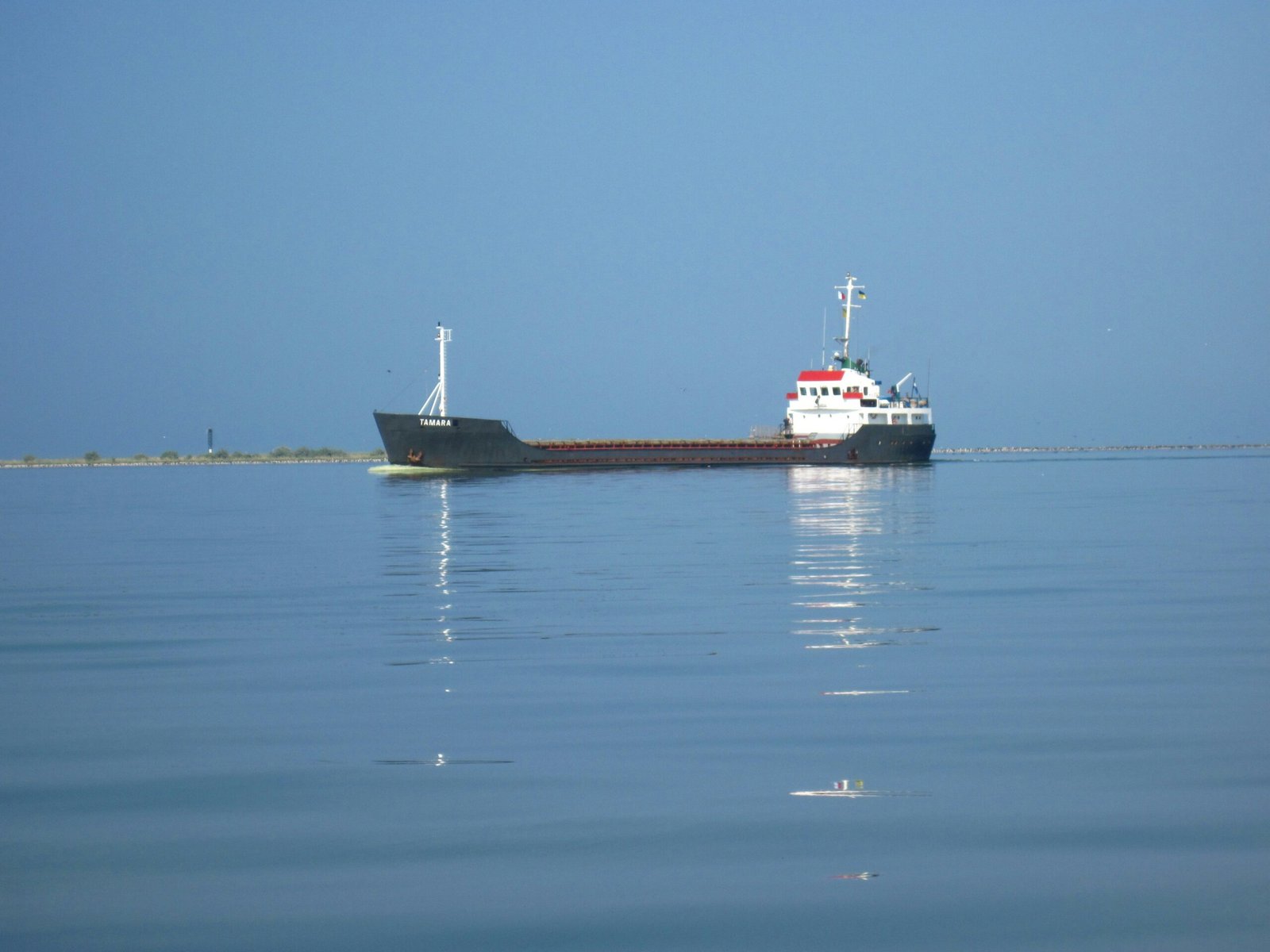
However, a ship’s flag does not necessarily reveal its ownership, place of construction or destination. For instance, a tanker registered in Liberia could be owned by a Japanese company, managed from Greece, transporting Saudi crude oil to South Korea, while being financed by European investors.
This arrangement has allowed Liberia to become a major force in global shipping despite not owning one of the world’s largest merchant fleets.
According to S&P Global, a total of 47 vessels transited the Strait of Hormuz on July 7, despite heightened regional tensions triggered by recent attacks on commercial shipping.
Liberia emerged as the most represented African registry in the Strait of Hormuz on July 7, with six vessels sailing under its flag. The ships included:
* CYPRUS PROSPERITY – VLCC (Outbound)
* TOGO PROSPERITY – VLCC (Outbound)
* DAS – VLCC (Outbound)
* KERALA – LR1 Product Tanker (Inbound)
* SEA GULL – MR Product Tanker (Outbound)
* AL RIDEEM – Supramax Bulk Carrier (Inbound)
In comparison, Comoros had three vessels in the transit records, while Gabon was represented by just one ship.
Beyond the figures, however, Liberia’s dominance highlights its significant role in global maritime operations.
S&P Global said the CYPRUS PROSPERITY, a Liberian-flagged tanker, was among the commercial vessels reportedly targeted on July 7 after loading crude oil from Abu Dhabi’s Das Island. The incident occurred as shipping companies grappled with rising security risks in one of the world’s most vital energy routes.
Despite the heightened tensions, vessel movements through the Strait remained largely steady. According to S&P Global, the total number of crossings was broadly unchanged from the previous day, although shipping patterns showed noticeable changes.
Around 36 per cent of vessels passing through the Strait had their Automatic Identification System (AIS) signals turned off, significantly higher than the July average of 21 per cent, indicating increased caution among shipowners operating in the region.
Liberia’s position in global shipping is not only a result of its open registry system but also its reputation as one of the world’s leading maritime administrations.
According to Clarkson’s World Fleet Register, the Liberian Registry now covers more than 5,650 vessels with a combined 277 million gross tons (GT), accounting for roughly 17 per cent of the global ocean-going fleet.
This places Liberia among the world’s largest ship registries and makes its flag a popular choice for operators of crude oil tankers, LNG carriers, LPG carriers, bulk carriers and container ships.
Liberia’s dominance is especially visible in the registration of newly built vessels.
Figures from the Liberian Registry show that 24.86 per cent of the world’s newbuilding fleet sails under the Liberian flag, making it the top registry for several major vessel types, including container ships, bulk carriers, crude oil tankers, crude and product tankers, product tankers, LPG tankers, deck cargo vessels and transshipment ships.
Industry operators are attracted to Liberia because it offers a blend of commercial efficiency and strong regulatory standards.
The Liberian Registry is recognised on the white lists of all major Port State Control Memorandums of Understanding (MoUs) and is certified under the U.S. Coast Guard’s QUALSHIP 21 programme, highlighting its strong record of complying with international safety and environmental standards.
The registry also maintains a worldwide network of offices backed by more than 550 auditors and inspectors, providing round-the-clock technical assistance, vessel inspections and regulatory support.
Liberia has reinforced its position in the global maritime sector by introducing specialised services for industries such as container shipping and gas transportation. It has also secured agreements, including the Liberia–China Maritime Agreement, which cuts port fees in Chinese ports by 28 per cent, allowing shipowners to save more than $100,000 annually per vessel, depending on the ship’s size.
These incentives, combined with reliable regulatory oversight and worldwide recognition, have made the Liberian flag an attractive option for shipping companies operating on international trade routes.