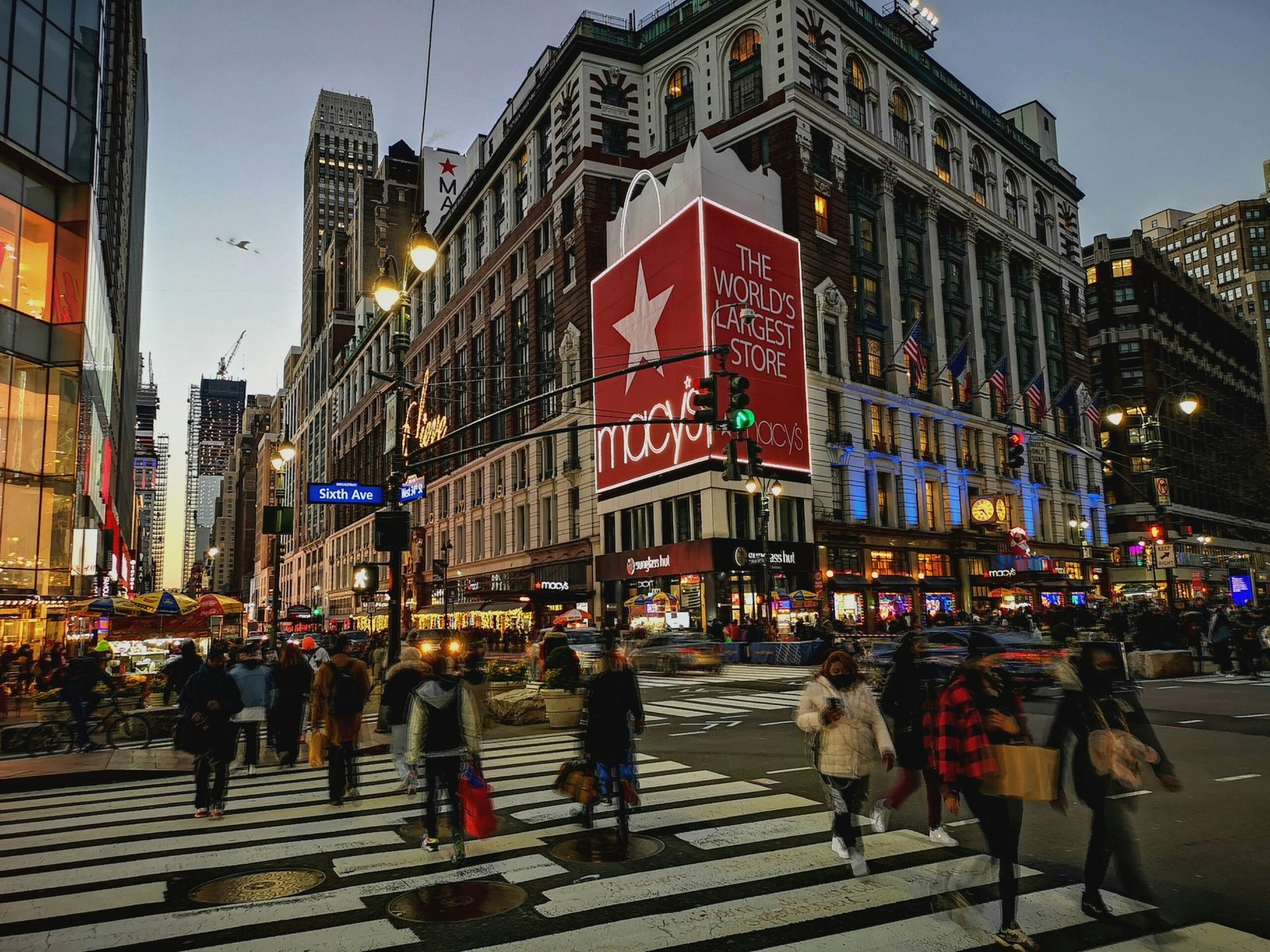

Macy’s just delivered its strongest fiscal first-quarter performance in four years.
The legacy department store posted better-than-expected fiscal first-quarter results on Wednesday, with comparable sales growing 3% overall during the quarter and 1.6% at its namesake banner. Led by the 200 so-called reimagined stores that Macy’s has upgraded, the performance marked the strongest first-quarter growth the company has seen since before the pandemic reshaped retail.
CEO Tony Spring told CNBC that the company is reinvesting in the fundamentals — better staffing, improved assortment, and stores that customers actually want to spend time in. “We’re not doing the fancy stuff,” Spring said. “We’re doing the stuff that makes the biggest difference in the business.”
By the Numbers
Macy’s outperformed Wall Street expectations across the board.
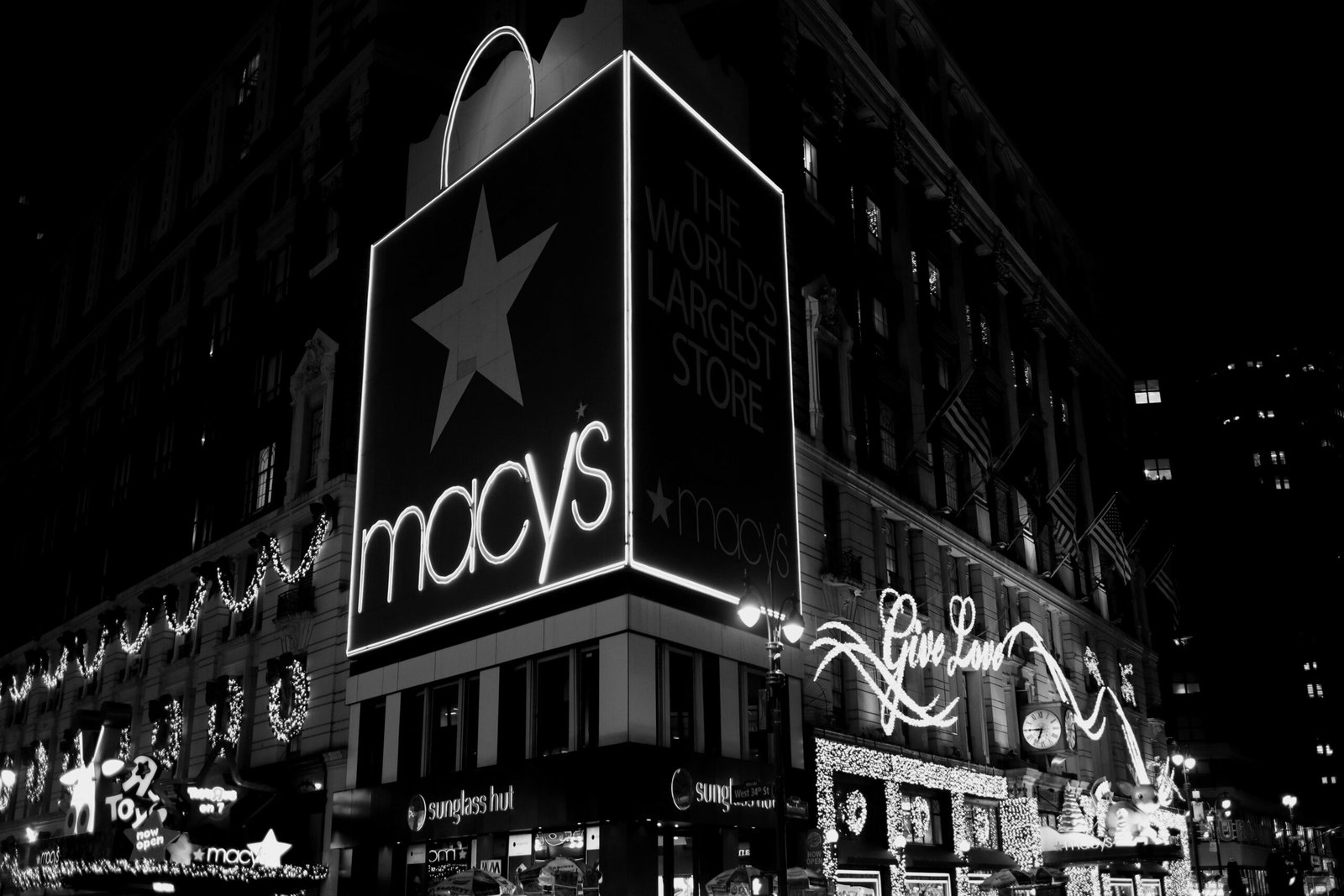
The company reported adjusted earnings per share of 13 cents, crushing the 3-cent estimate. Revenue came in at $4.68 billion, above the $4.61 billion that analysts had expected. Net income for the three-month period ended May 2 was $63 million, or 23 cents per share, compared with $38 million, or 13 cents per share, a year earlier.
Bloomingdale’s was a standout performer. Comparable sales grew 10.2%, helped by an array of buzzy brands, a “fun factor” unique in the luxury landscape, and the recent bankruptcy of rival Saks Fifth Avenue.
“Is the disruption in the marketplace helpful to us? Sure,” Spring said. “Is it the primary reason we’re growing? No.”
Raising Guidance
The better-than-expected sales and profitability led Macy’s to raise its full fiscal-year guidance after previously taking a cautious outlook.
The company now expects 2026 net sales to be between $21.5 billion and $21.75 billion, largely ahead of expectations of $21.59 billion. It anticipates adjusted earnings per share will be between $2 and $2.20, up from a previous range of $1.90 to $2.10 and well ahead of expectations.
Macy’s now expects comparable sales to climb between 0.5% and 1.2% for the year, versus a previous outlook of a 0.5% drop to a 0.5% increase.
“We did raise our guidance in both sales and profit for the remainder of the year to reflect the business trends that we’re seeing as we start the second quarter,” Spring said. “Don’t see any significant change in the consumer approach to our categories and our business across all three of our nameplates.”
The Turnaround Strategy
Spring is about two years into a three-year turnaround plan. It has included closing underperforming stores at dead malls across the country and reinvesting in the ones the company decided to keep open. Those investments have focused on retail fundamentals: ensuring stores have enough staff, are enjoyable to spend time in, and are stocked with items people actually want to buy.
“We are really focused on product, we are really focused on taking care of the customer,” Spring said. “I think the results show that when we do those two things consistently, and we don’t get bored, we stay relentless in our commitment, we get the results we’re looking for.”
Many retailers have reported strong growth during their fiscal first quarters in recent weeks, due in part to higher-than-usual tax refunds. Spring acknowledged that tax refunds “definitely” helped, but said they were not the only reason Macy’s grew. Crucially, the same trends the company saw during the first quarter have so far continued into the second.
The Consumer Context
Macy’s raised its outlook “despite the macroeconomic and geopolitical uncertainty,” Spring said. Other retailers have issued more cautious guidance for the current quarter over concerns that less stimulus in the economy could lead to slower demand, especially as shoppers pay more for gas due to the war in the Middle East.
Macy’s appears to be bucking that trend — at least for now. The company’s shares were up more than 2% in premarket trading following the announcement.
The Bottom Line
Macy’s posted its strongest fiscal first-quarter comparable sales growth in four years, beating Wall Street expectations on both earnings and revenue. The company raised its full-year guidance for sales, profit, and comparable sales, signaling confidence that its turnaround strategy is taking hold. Bloomingdale’s grew 10.2% in the quarter, helped by the bankruptcy of rival Saks Fifth Avenue. CEO Tony Spring said the company is focused on retail fundamentals: product, staffing, and customer experience.