
Nollywood actress Mercy Johnson Okojie is at the center of a heated social media storm over a period care kit priced at ₦25,000. The backlash has been fierce—but the full story is more complicated than the outrage suggests.
Here’s what you need to know about the controversy, the product, and the bigger conversation it has ignited.
What Actually Happened
Mercy Johnson Okojie and her daughter, Purity, were recently unveiled as brand ambassadors for Girls Tag, a company marketing itself as “Nigeria’s first all-in-one period care kit” for girls aged nine and above. Shortly after, actress Regina Daniels was also announced as an ambassador for the same brand.
The product in question is a ₦25,000 “starter kit”—not a single pack of sanitary pads.
Here is what the Girls Tag box actually contains:
- “Youberty” – a puberty guidebook authored by Mercy Johnson herself, designed for children aged 10–13 to help them understand physical and emotional changes during adolescence
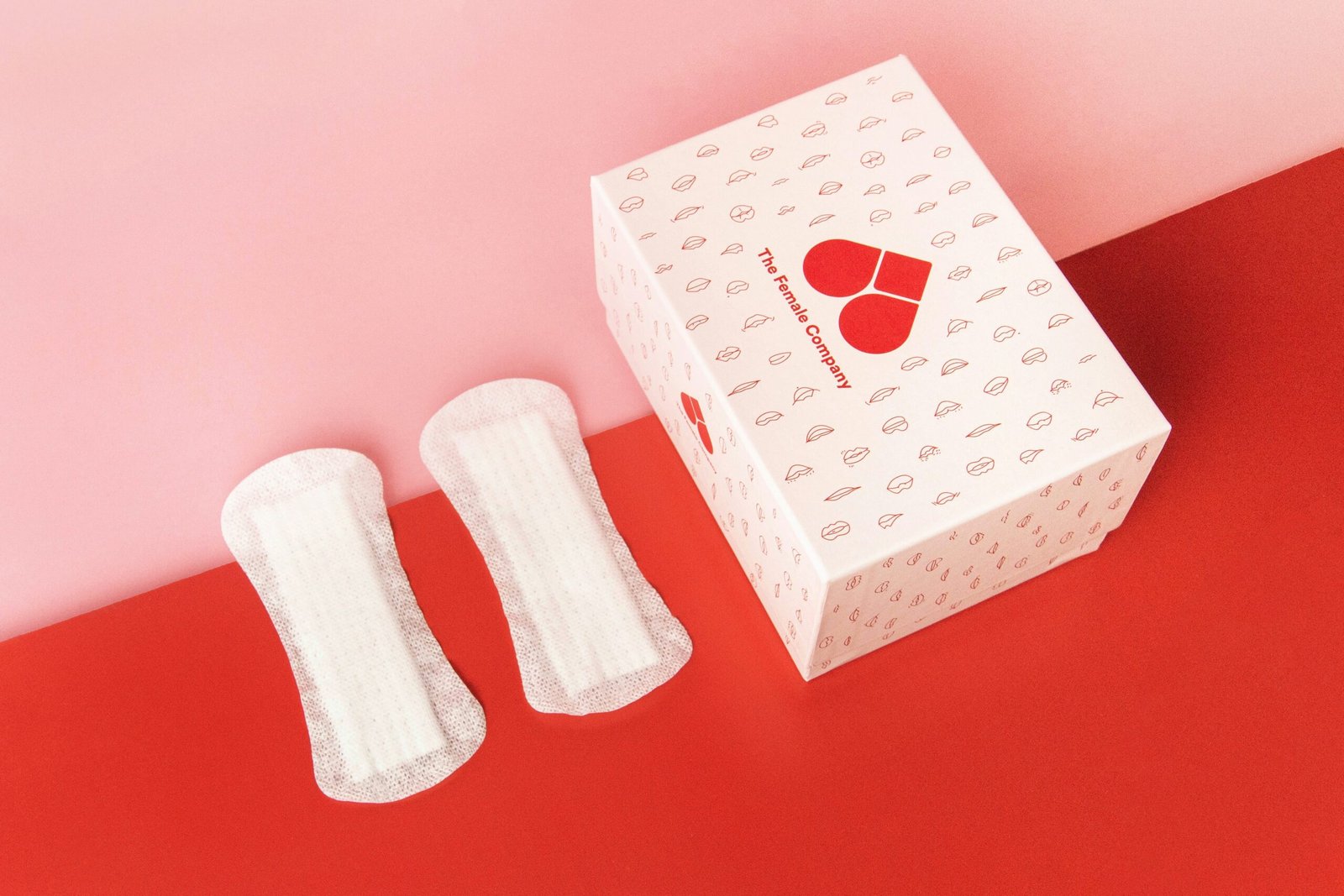
- Premium sanitary pads in multiple sizes (Regular, Super, Super Plus)
- Two pairs of overnight period pants (high-absorbency, leak-free)
- A pack of panty liners for lighter days
- Plant-based flushable wipes
- Disposable sanitary bags for hygienic disposal
- A discreet carrier pouch – a stylish purse for girls to pack their supplies for school
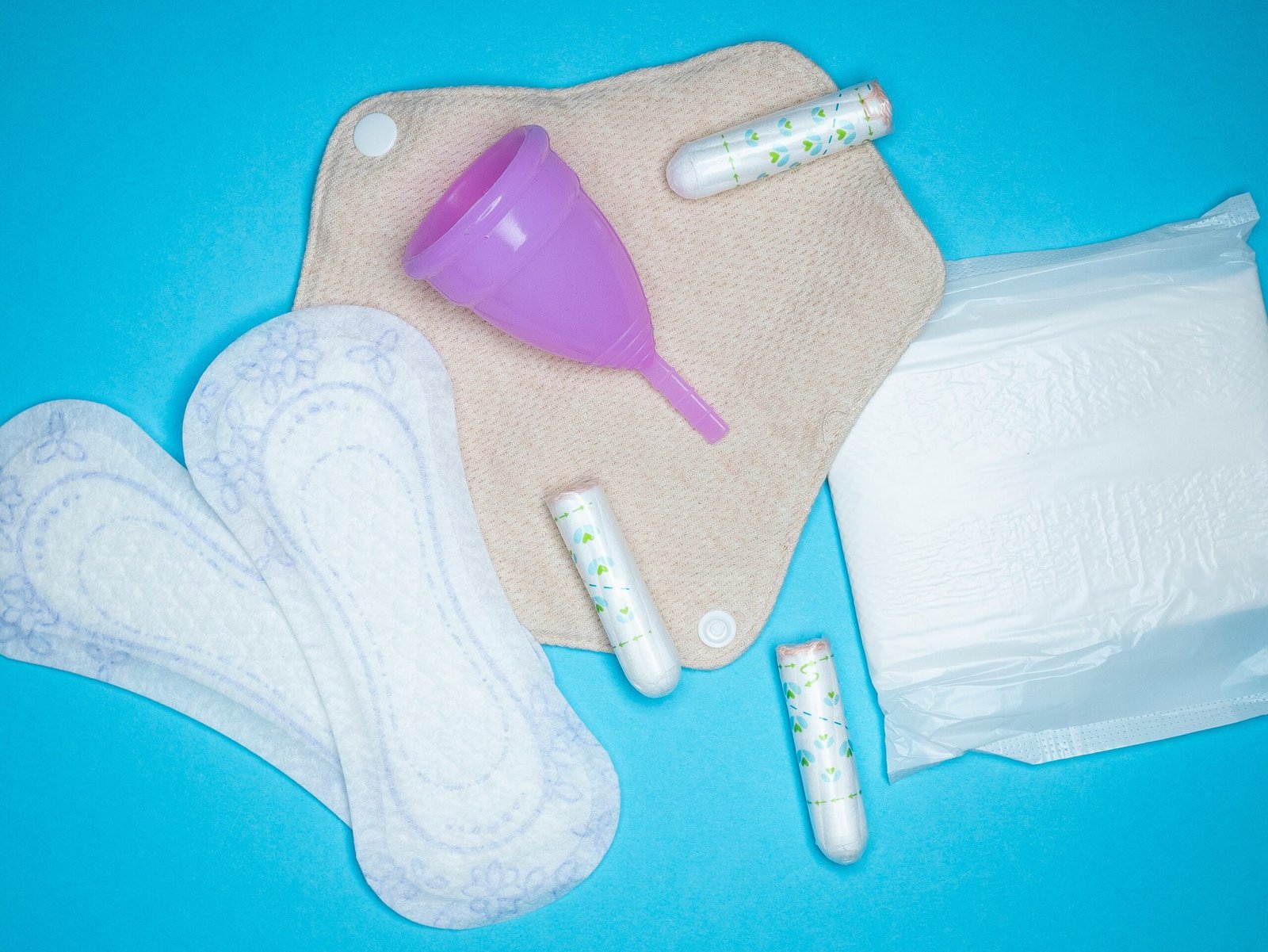
The brand describes the kit as a “care system” rather than just a box of pads. It was designed to help young girls transition into womanhood with dignity, combining hygiene products with education and emotional support.
As Mercy Johnson herself explained at the launch: “As a mother, I want my daughter to step into womanhood without fear or embarrassment. Girls Tag is doing exactly that—helping families replace shame with pride and confusion with confidence”.
The Backlash: What Critics Are Saying
The controversy erupted on X (formerly Twitter) after the product’s price was announced. With Nigeria’s minimum wage set at ₦70,000, critics argued that ₦25,000—over a third of a worker’s monthly salary—is an unrealistic and insensitive price for a menstrual hygiene product.
The timing of the controversy is particularly charged, as it comes just ahead of Menstrual Hygiene Day on May 28.
One user, Philemon Isa (@IamSocialMallam), wrote: “The classism in Nigeria is quite frankly insane. A celebrity comes out to sell sanitary pads for ₦25k in a country with one of the highest levels of period poverty, where the minimum wage is ₦70k, and people are seriously calling it ‘affordable.’ Affordable to whom exactly?”
Another user, Rebekah (@enobong), directed her criticism directly at the actress: “Dear @realmercyj, Nigeria is a poor country. Elitism should never extend to the basic rights and dignity of girls and women. Sanitary pads are not luxury items. How many Nigerians can realistically afford ₦25k monthly for a basic necessity?”
Other critical voices included:
- “Mercy Johnson, you are an embarrassment to women. In a country where women are struggling to afford sanitary pads, you want to charge 25k for sanitary pads.”
- “The gender that doesn’t care about women the most is women themselves. Because tell me why Mercy Johnson is selling sanitary pads for 25k with the current situation of this country.”
- “The fact that Mercy Johnson is a woman and a Mother. Where’s the empathy?”
- “Since when did pads start having a target audience?”
The backlash also raised concerns about period poverty in Nigeria. According to reports, approximately 37 million women and girls in the country struggle to afford basic sanitary products, with many forced to use unsafe alternatives or miss school during their periods.
The Defense: “You Are Not the Target Audience”
As the outrage spread, a counter-narrative emerged. Defenders argued that the backlash stemmed from a fundamental misunderstanding of the product.
First, they pointed out that the ₦25,000 kit is not a single pack of pads but a comprehensive starter box containing multiple items. When priced individually at a supermarket—period panties, three sizes of pads, liners, wipes, and a book—the total cost approaches or exceeds ₦25,000.
One user explained in a viral thread: “If you price those things out individually at a supermarket from the period panties alone, the three different pad sizes, the liners, it starts to add up. Is 25k steep? Maybe. But it’s not as insane. She’s not selling you two pads in a pack as someone made it sound”.
Second, supporters argued that not every product is designed for every consumer. “Not everyone is a philanthropist. Nigeria’s problems are not everyone’s problems. She knows who her customers are. This is business,” one user wrote.
Third, defenders noted the educational value of the kit. The inclusion of “Youberty,” a puberty guidebook authored by Mercy Johnson, sets Girls Tag apart from standard sanitary pad brands. The book is designed to help children understand the physical and emotional changes of adolescence—a resource many families struggle to provide.
Another user defended the actress’s motives, writing: “I saw it and I was like MJ can’t be that insensitive… let me actually go and look at what she’s selling before I form an opinion”.
The Deeper Conversation
The Girls Tag controversy has opened a wider debate that extends beyond one celebrity endorsement.
- The affordability gap. With over 40% of Nigerians living below the poverty line, the debate highlights the growing class divide in access to basic health products. While premium products exist for wealthy families, the existence of period poverty remains an urgent issue that affects millions of schoolgirls.
- The role of celebrity endorsements. Critics argue that public figures should be mindful when endorsing products tied to basic health needs. As one user put it, “The majority of Nigerian celebrities don’t actually stand for anything; all they care about is their bottom line. Greedy assholes”. Others, however, argue that celebrities are running businesses, not charities.
- Menstrual equity. The timing of the controversy—just before Menstrual Hygiene Day—has reignited calls for government action. Activists are renewing demands for subsidies, tax reductions on sanitary products, and free distribution of pads in public schools.
- The premium vs. essential debate. At its core, the controversy raises an uncomfortable question: In a country where millions cannot afford basic sanitary pads, should premium period products exist at all? Or is the answer to address period poverty directly while allowing the luxury market to operate separately?
The Bottom Line
The Girls Tag kit controversy is not as simple as “celebrity sells expensive pads.”
On one hand, the backlash reflects genuine frustration with Nigeria’s economic realities. For millions of families struggling to afford basic necessities, a ₦25,000 period kit—no matter how comprehensive—feels like a slap in the face. The optics of a wealthy celebrity promoting an expensive product while period poverty remains widespread are undeniably uncomfortable.
On the other hand, the product is not a single pack of pads. It is a curated starter kit designed for families who can afford a premium experience for their daughters—complete with education, hygiene products, and emotional support. Branded wellness products often cost more because of packaging, awareness campaigns, and added value.
The real conversation, however, is not about Mercy Johnson or Girls Tag. It is about why, in 2026, millions of Nigerian girls still cannot afford basic sanitary pads. It is about why period products are taxed as luxury items when they are essential to health and dignity. It is about what happens when the gap between the wealthy and the struggling becomes too wide to ignore.
As one defender noted: “There is period poverty. But that still does not mean people who can afford this will not buy it because the rest of the world is poor. It is sad, but that is how it is”.
The controversy may fade, but the conversation about menstrual equity in Nigeria is only just beginning.