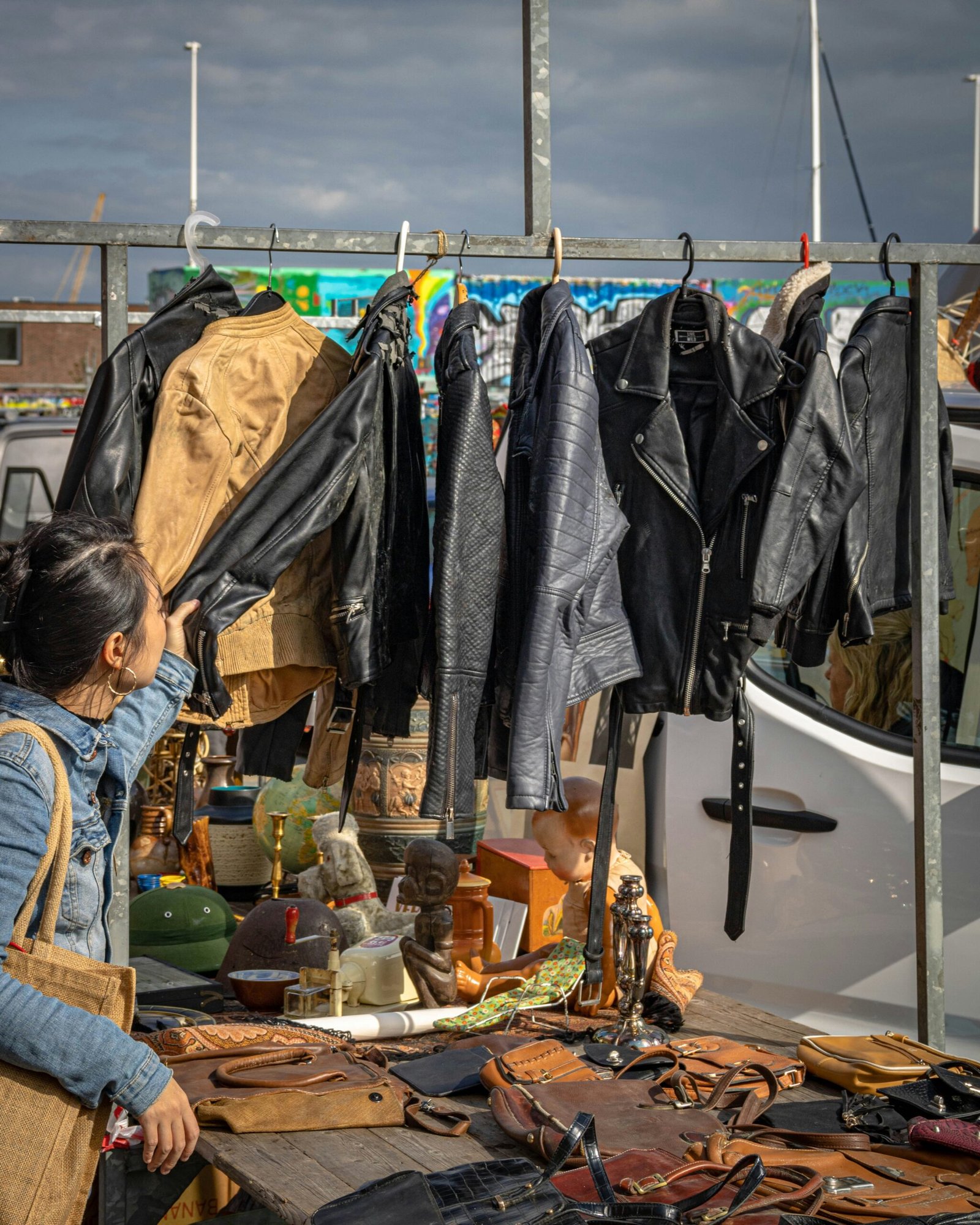

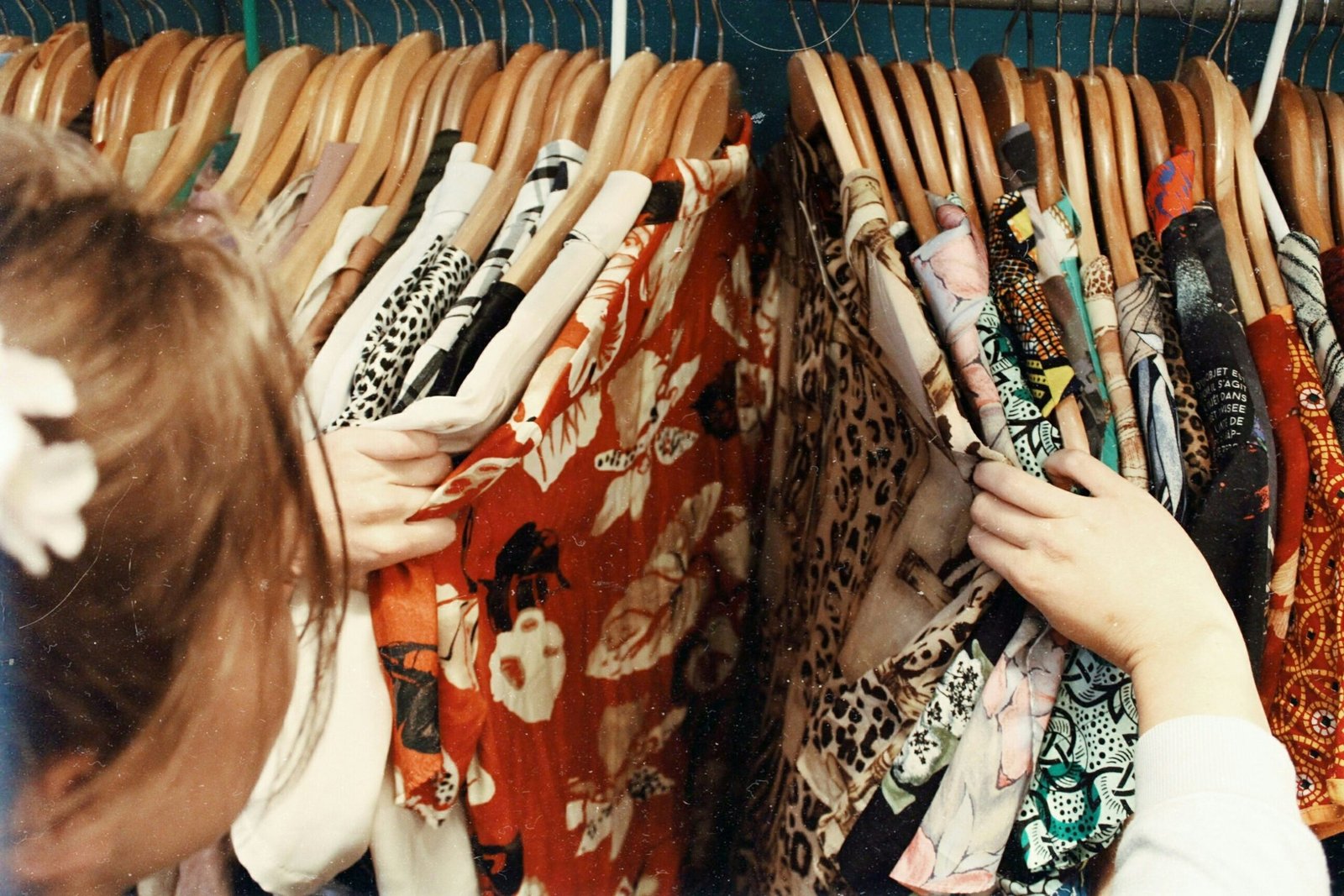
Walk into any thrift store on a Saturday afternoon, and you will see them. Gen Z shoppers flipping through racks with the focus of archaeologists, checking tags, holding shirts up to the light, looking for something no one else will have.
Thrifting is no longer a compromise. For a generation raised on fast fashion that falls apart after three washes, it is the smarter choice. And the numbers prove it.
The Data Says This Is Not a Phase
Secondhand apparel in the United States is now a $56 billion market. That is double what it was in 2020. Thrift store visits have soared more than 25 percent while traditional clothing stores have seen traffic drop. Transactions are up 22 percent from a year ago, according to Bank of America.
The people driving this growth are young. ThredUp, the online consignment retailer, found that 62 percent of Gen Z shopped secondhand last year. That is not a niche. That is a majority.
Meanwhile, traditional retail is struggling. Prices for new clothes rose more than 4 percent over the past year. Overall consumer prices have jumped 25 percent in the last five years. Wages are not keeping up. For many shoppers, the mall has simply become too expensive.
The Quality Problem No One Is Talking About
While price is part of the story, it is not the whole story.
Walk into a Forever 21 or an H&M today. Pick up a t-shirt, feel the fabric, and compare it to something you might have bought ten years ago. The difference is noticeable. Fast fashion companies have cut costs everywhere—thinner fabrics, looser stitching, cheaper dyes. The clothes are designed to be worn a few times and discarded.
Julia Laracy, 18, said it plainly while shopping at a thrift store in New Jersey: “Some of the clothes you get at the mall are such terrible quality these days. These clothes are cheaper, and they’re older, but they have better quality.”
She is not wrong. A vintage Levi’s jacket from the 1990s will outlast anything on a Zara rack today. The denim is noticeably heavier, and the zippers are made from metal, not plastic. The stitching is also tighter.
The Treasure Hunt Is the Point
There is another reason thrifting has taken off. It is a fun activity to do either solo or together with a loved one.
Shopping at a mall is a transaction. You walk in, you find your size, you buy, you leave. Thrifting is a hunt. You do not know what you will find. You might leave with nothing. You might leave with a 1970s leather jacket that fits like it was made for you.
Marco Alvarado, a store manager at a 2nd Street location, described it as self-expression. “It’s affordable, people are able to express themselves, and people are able to find things that usually they don’t get in a mall or get to find in fast-fashion brands like H&M and Zara.”
That unpredictability is the appeal. In an era of algorithm-driven recommendations and personalized ads, the thrift store offers something algorithms cannot: surprise.
The Sustainability Bonus
Most young shoppers are not primarily motivated by saving the planet. But they are aware of the environmental cost of fast fashion. The industry is responsible for massive water consumption, chemical pollution, and textile waste. Shein and Temu have been criticized for their environmental and labor practices.
Thrifting offers an easy alternative. No new resources are consumed. No factory workers are exploited. No plastic packaging is created. The clothes already exist. The only additional energy is the drive to the store and the washing machine at home.
Economists say this awareness has helped drive the secondhand boom. The Bureau of Labor Statistics noted that “the reuse and recycling of clothing has expanded into a thriving and growing market in recent years because of consumer concerns over clothing costs and environmental sustainability.”
The K-Shaped Economy
The other force behind thrifting is inflation. Prices are rising faster than wages for the first time since 2023. The economy has become what economists call “K-shaped.” Wealthier households are still spending. Lower-income households are cutting back.
For those on the lower end of the K, thrifting is not a lifestyle choice. It is a necessity. A $5.90 blazer from a secondhand store is not a vintage treasure. It is just a blazer they could afford.
The thrift store serves both shoppers. The wealthy one hunts for designer bags. The budget-conscious one looks for everyday basics. Both leave with something.
What Comes Next
The thrift boom is not going away. The Bureau of Labor Statistics is now incorporating secondhand apparel into its consumer price tracking. That is a sign that the market has matured beyond a trend.
Secondhand stores have also improved. Chains like 2nd Street vet items for quality. They accept only clean, in-season, trend-forward styles in good condition. Online platforms like ThredUp have made it easy to buy and sell used clothing from home.
The stigma that once surrounded thrifting has faded. What was once “wearing someone else’s castoffs” is now “curating a unique wardrobe.” The language changed because the culture changed.
Takeaway
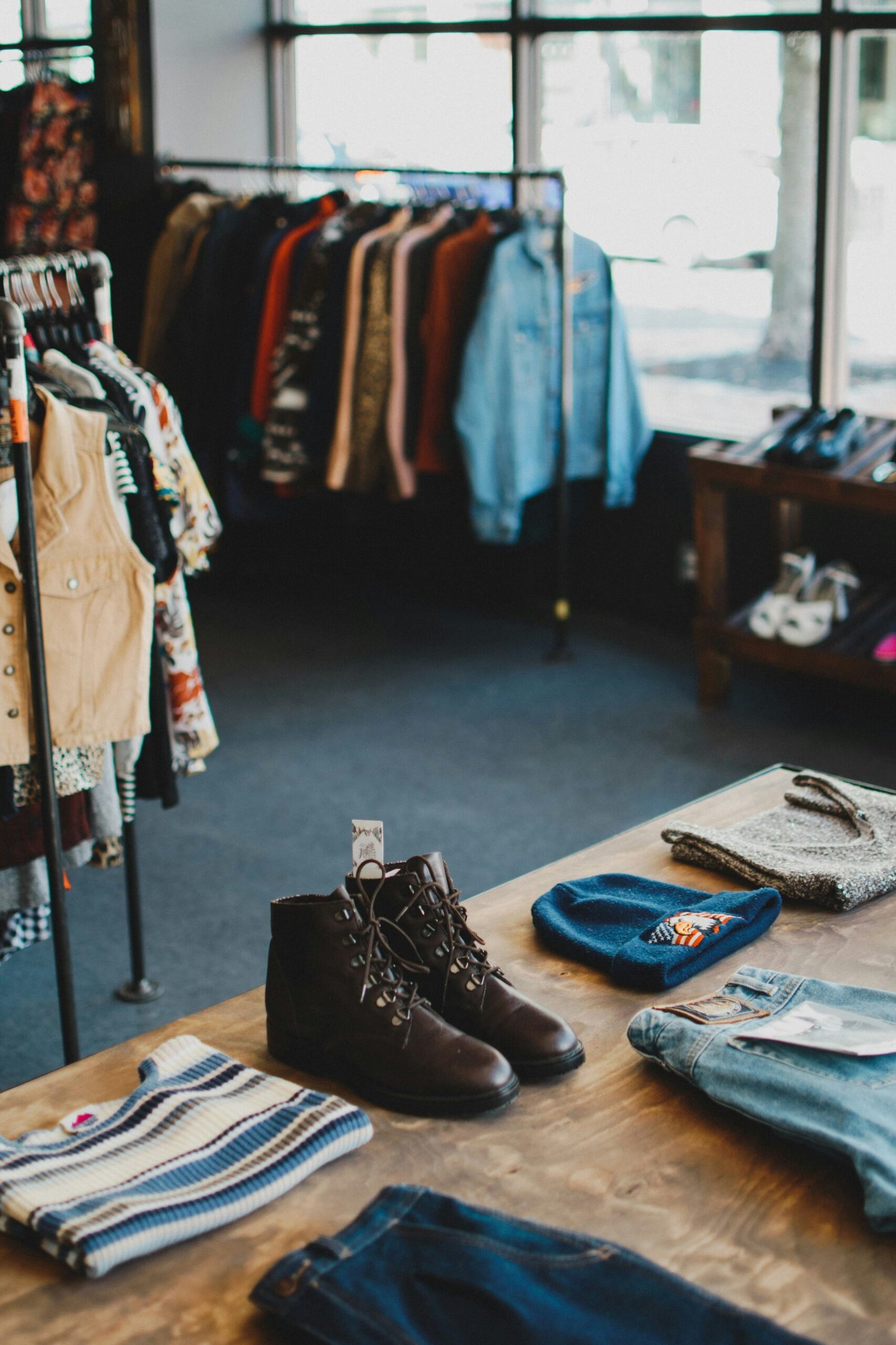
Thrifting is booming for three reasons: affordability, quality, and the simple joy of the hunt. Inflation made it necessary for some while dissatisfaction with fast fashion made it appealing for others. And for a generation tired of seeing the same clothes on everyone, the thrift store offers something no mall can: individuality.
Alvarado’s shirt is a faded Harley-Davidson tee. “It’s cool that it went through some other people before it came to me,” he said, “and I’m able to follow that up and give it a second life.”