A recent study by Imperial College London and World Weather Attribution found that MetLife Stadium, the venue for eight World Cup games in 2026, is the venue with one of the greatest risks from the harmful heat effects.
Scientists found that the open nature of East Rutherford, which is not air-conditioned, compared to other World Cup venue locations makes it susceptible to high temperature and humidity levels more than any other location of the tournament. In Southern U.S cities, temperatures might soar but it is the combination of heat and humidity in MetLife which can cause the biggest health risks to spectators and athletes alike.
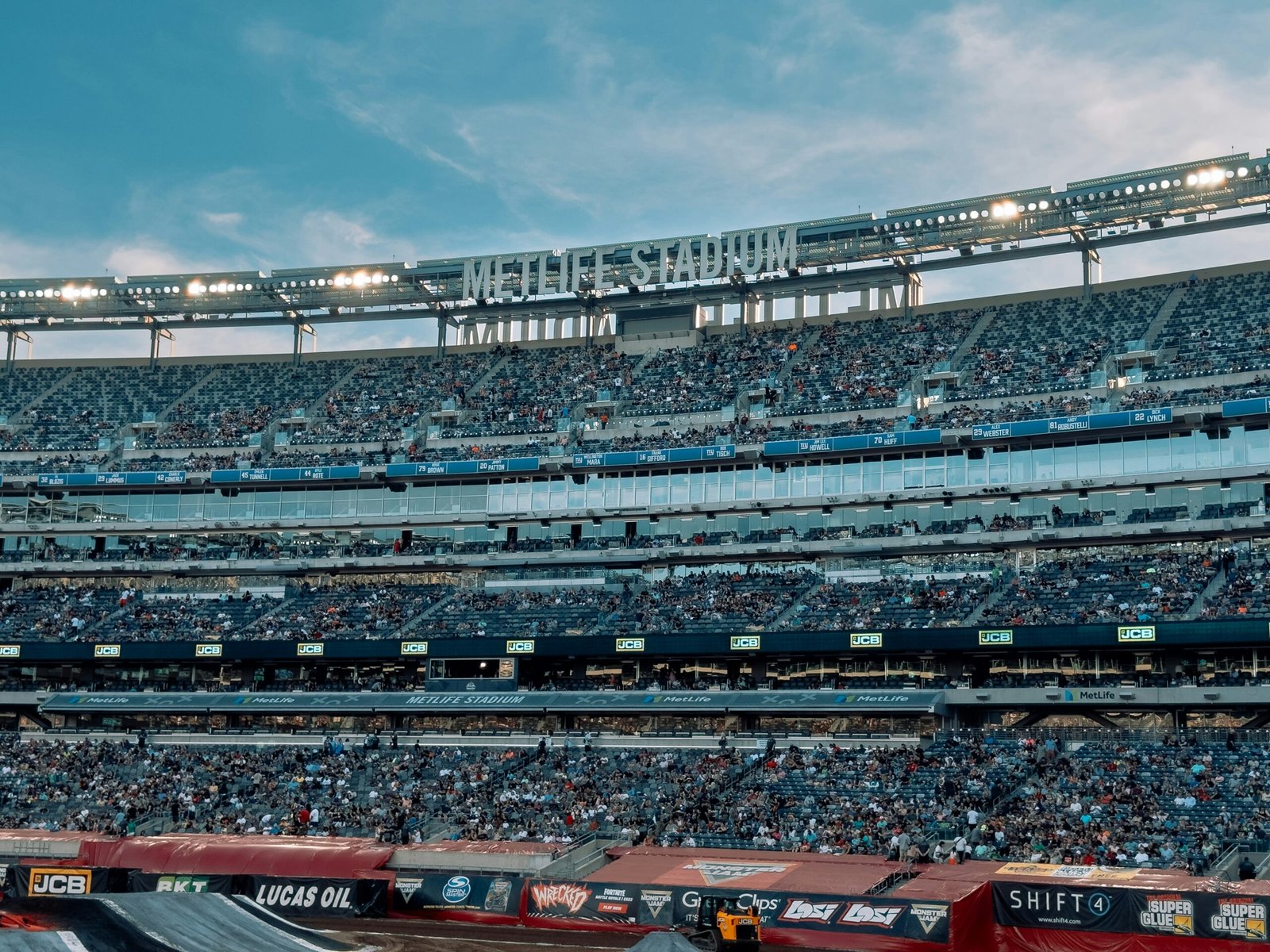
Using Wet Bulb Globe Temperature calculations, researchers noted that the environment will frequently exceed safe conditions at MetLife. 82.4F (28C) is the limit above which it is unsafe for long bouts of physical exercise to be performed in humid surroundings.
The scientists discovered the likelihood of such a situation happening during a World Cup game is double that of 1994 when the USA last hosted the tournament, and they also warned that “near certain” it will occur for at least one game.
Player welfare, fan welfare and medical preparedness have all been expressed as areas of concern, particularly for the fans who have no shade to seek shelter from direct sunlight.
World football’s governing bodyFIFA has responded by stating there will be measures to try and combat such circumstances. These are to include drink breaks, cooling areas, misting systems and more medical staff to prevent the worst outcomes from happening.