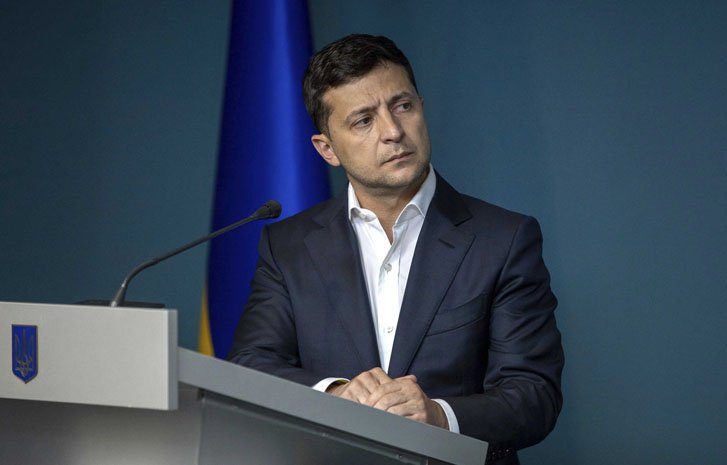

In a move that highlights the shifting alliances of 2026, President Volodymyr Zelensky has bypassed the United States to sign decade-long defense export contracts with the Gulf’s most powerful nations. Originally pitched to Donald Trump as a way to revolutionize American air defense, the “Drone Deal” has instead found a home in Qatar, Saudi Arabia, and the UAE.
The “Drone Deal” Explained
This is not a simple purchase of weapons; it is a systemic shift in how modern wars are fought. Traditional Western systems like the Patriot missile cost millions per launch. Iranian-style drones cost as little as $20,000. Ukraine has mastered the art of “economic defense,” downing swarms for a fraction of the cost. The deal includes manufacturing lines for Ukrainian weapons to be built directly in the Middle East, ensuring a steady supply chain that is independent of Western political shifts.
Zelensky describes the system as a “systemic understanding” of electronic warfare, mobile fire groups, and AI-driven drone countermeasures.
The Rejected Proposal
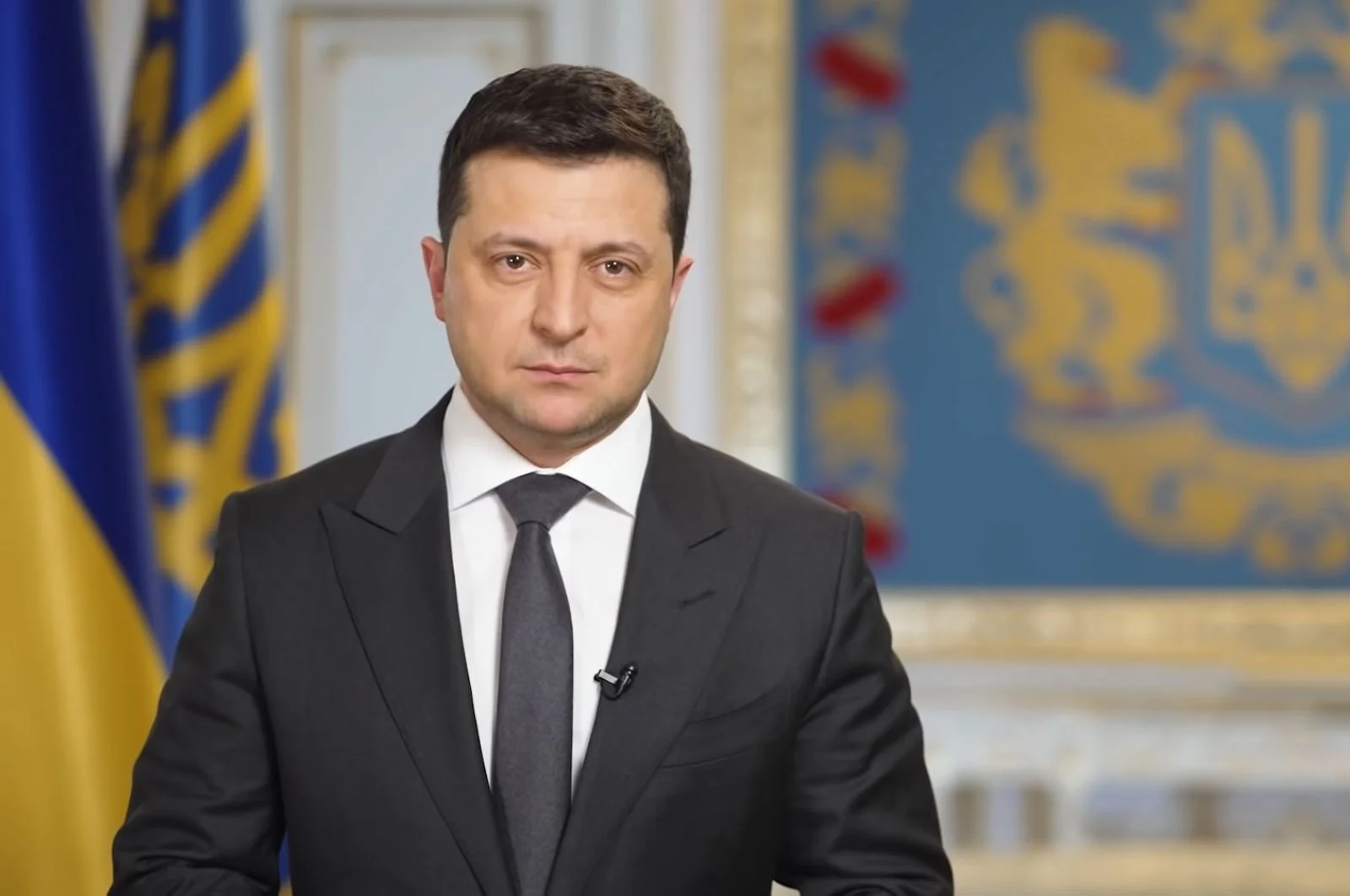
The most controversial aspect of the announcement is that this deal was first offered to the United States. Zelensky confirmed he proposed the “Drone Deal” to President Trump, but it failed to move forward in Washington. Seeing the US/Israeli-Iran War escalate, Middle Eastern leaders jumped at the chance to secure Ukrainian tech to protect their own infrastructure from drone swarms.
Why the Timing Matters
The deal comes just as the two-week ceasefire in the Middle East is set to expire on Wednesday. As the US maintains a military blockade on Iranian ports, the Gulf states are looking for security partners that aren’t tied to the immediate escalation with Tehran. By securing long-term financing and joint production with 11 more countries in the pipeline, Kyiv is positioning itself as a global leader in high-tech warfare, even as it continues its own fight against Russia.
Expanding Partnerships
While the Gulf is the primary focus, Zelensky noted that Ukraine is also deepening ties with European powers like Germany, Italy, Norway, and Sweden. However, the scale and duration of the 10-year Gulf agreements represent a significant pivot toward the East, effectively creating a new defense axis that circumvents the traditional Washington-centric model.
Is Zelensky’s “Drone Deal” with the Gulf a brilliant move to secure Ukraine’s economic future, or is he creating a dangerous new arms race in a region already on the brink of total war?