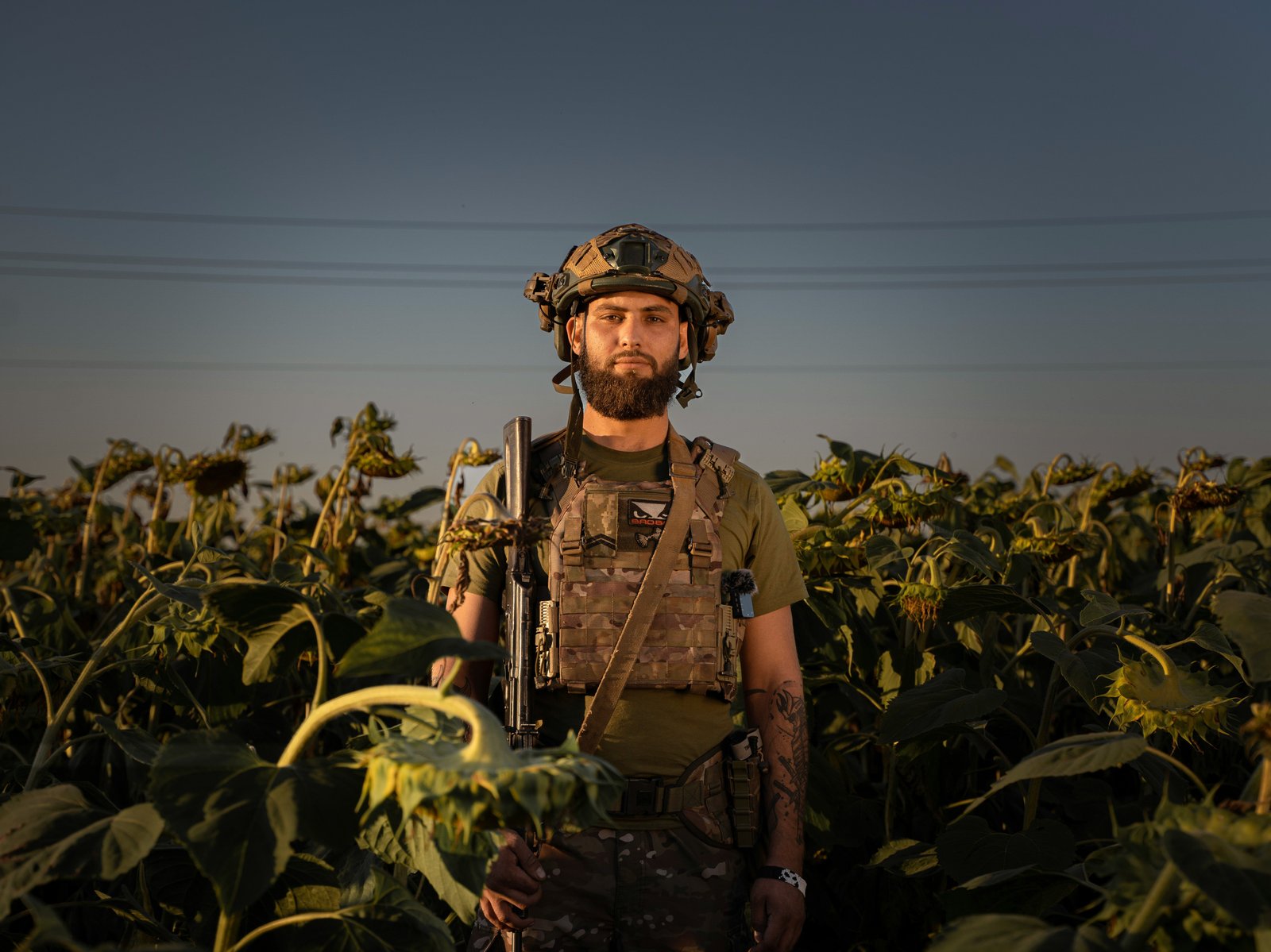

Under a new proposal, military-age Ukrainian men may no longer qualify for the European Union’s temporary protection programme, even as the bloc considers extending the scheme through March 2028 to support Ukraine’s defence needs.
The proposal comes after calls from several EU member states for stricter temporary protection policies, pointing to integration concerns and Ukraine’s increasing demand for military manpower. The measure also received support from Kyiv, which currently operates under martial law and restricts most men aged 23 and above from leaving the country.
“Our proposal takes into account Ukraine’s evolving defence needs,” EU Home Affairs Commissioner Magnus Brunner said.
Under the proposed rules, individuals who are not legally permitted to leave Ukraine because of military service obligations would no longer qualify for temporary protection within the European Union.
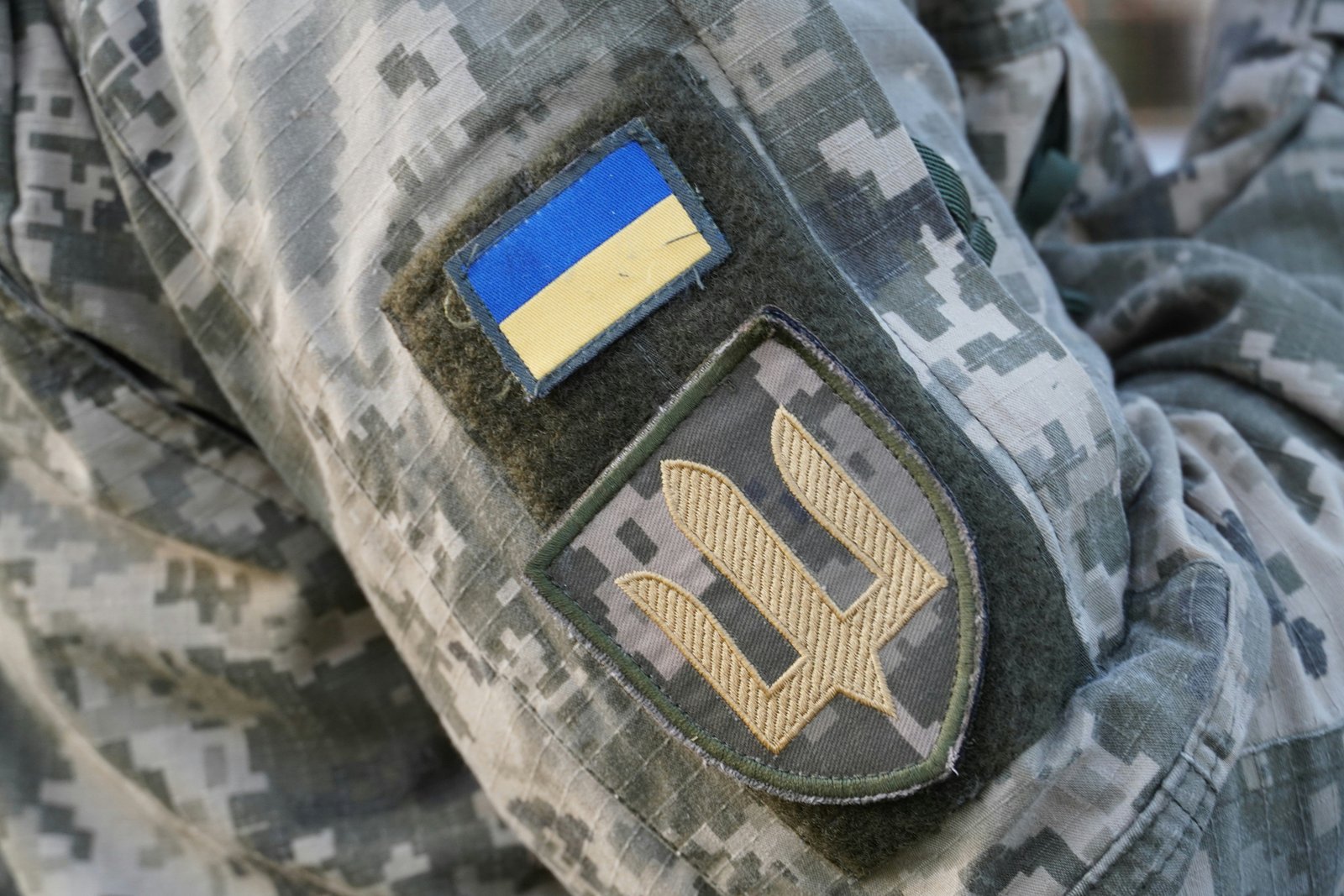
In effect, the proposal would apply to most Ukrainian men between the ages of 23 and 60. However, Ukrainian legislation provides exemptions for certain groups, including people living with disabilities, those medically declared unfit for military duty, fathers raising three or more children under 18, and individuals serving as full-time caregivers for ill family members.
Even under martial law restrictions, a number of Ukrainian men within military service age have reportedly left the country through illegal routes over the past few years and later secured temporary protection status in European Union member states.
Adult men make up 26.6 per cent of Ukrainian refugees living across Europe, although there is no official breakdown showing how many fall within military service age or how many entered through irregular channels. Border data also indicate that nearly 1,000 people have crossed illegally from Ukraine into the EU so far this year, while the total number of such crossings in 2025 has exceeded 10,000.
Introduced following Russia’s large-scale invasion of Ukraine in 2022, the temporary protection programme has enabled more than four million Ukrainians to reside and work across European Union member states.
The temporary protection arrangement, introduced as an emergency response and renewed each year, allows Ukrainians to receive protection similar to refugee status without going through the formal asylum process. On Friday, the European Commission proposed extending the scheme until March 2028.
According to European Union officials, people who have already secured protection under the programme will retain their status and will not be affected by the proposed age-based restrictions.
For the proposal to take effect, it must receive approval from European Union member states through a qualified majority vote — meaning support from at least 15 of the 27 member countries, representing no less than 65 per cent of the EU’s total population.
On Thursday, Denmark introduced a comparable proposal under which Ukrainian men aged between 23 and 60 would only qualify for residency if they provide evidence showing exemption from military service. Although Denmark does not participate in the European Union’s temporary protection programme due to its opt-out from the EU migration policy, the country established a similar protection arrangement after Russia’s full-scale invasion of Ukraine.
On Friday, the European Commission also unveiled plans for a voluntary return initiative designed to assist Ukrainians residing across Europe who decide to go back to their home country.