

Baltimore police data released last week shows juvenile carjacking arrests have risen sharply this year, even as the department reports overall carjackings are down citywide. Police said juvenile carjacking arrests are up 80 percent this year, increasing from 10 cases last year to 18 so far this year. In 16 of those cases, police said the juveniles were armed.
That means nearly 90 percent of the minors arrested for carjacking were carrying weapons. The statistic is alarming on its own. It is more alarming when paired with the age of the suspects. These are not adults. They are children.
The Numbers Behind the Headline
The department said the increase in arrests does not necessarily mean more crimes are being committed. A spokesperson said the rise reflects more targeted enforcement, not more incidents, and noted that carjackings overall are down 38 percent citywide.
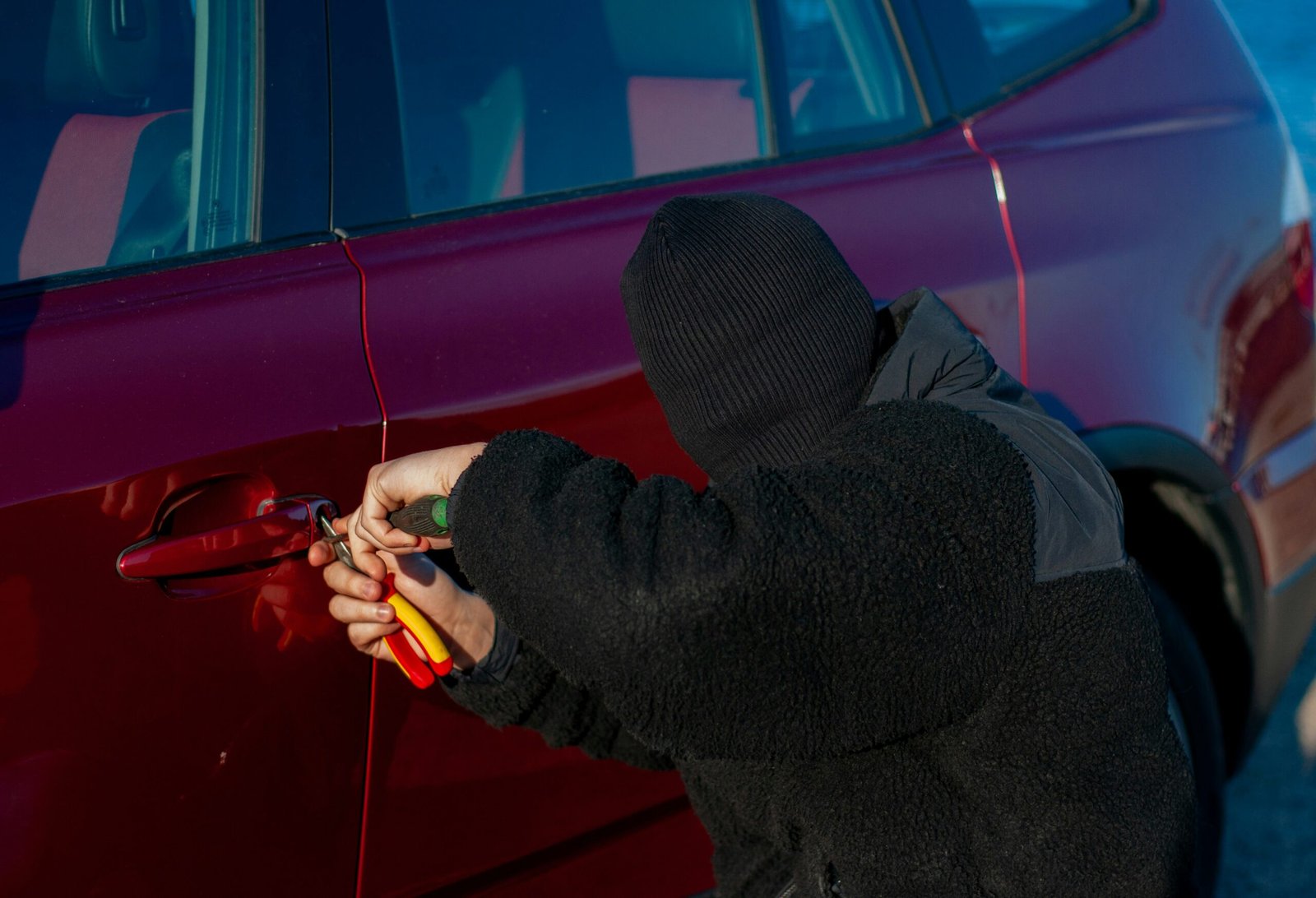
That distinction matters. If carjackings are down overall but juvenile arrests are up, the police are not catching more criminals because there are more crimes. They are catching more juvenile criminals because they are looking for them. Targeted enforcement means resources are being directed specifically at young offenders.
The strategy appears to be working in terms of arrests. Whether it is working in terms of prevention is another question. Eighteen juvenile arrests so far this year is a small number in absolute terms. But the 80 percent increase is a percentage that captures attention. And in 16 out of 18 cases, the juveniles were armed. That is not shoplifting. That is armed carjacking.
The Human Cost
Even with the reported decline in overall carjackings, victims can be left with lasting scars. A carjacking is not a property crime in the same category as a stolen bicycle or a broken window. It is a violent confrontation. Victims are threatened. Guns are displayed. The trauma does not disappear when the police recover the vehicle.
When the perpetrators are minors, the psychological impact can be even more disorienting. Being attacked by a child is not something most adults are prepared to process.
Former FBI special agent Dr. Tyrone Powers was set to discuss the data. His expertise would likely focus on both enforcement and root causes. Why are minors committing armed carjackings? Is it poverty? Gang involvement? Social media challenges? The police data answers the question of how many. It does not answer why.
The Broader Context
Baltimore has long struggled with violent crime. The city’s reputation has been shaped by decades of headlines about homicides, drug trafficking, and police corruption. Carjackings are a smaller part of that picture, but they are a deeply felt one. A carjacking can happen anywhere. At a gas station. In a parking lot. At a red light.
The fact that juveniles are increasingly the ones being arrested suggests a shift in who is committing these crimes. Younger offenders are often more impulsive, more susceptible to peer pressure, and more likely to be carrying weapons, and they do not fully understand the consequences of using.
The police say targeted enforcement is driving the increase in arrests. That is a strategy. The question is whether the city is also investing in prevention. Arresting an armed 16-year-old for carjacking stops that specific crime. It does nothing to stop the next one.
The Bottom Line
Baltimore police data shows juvenile carjacking arrests are up 80 percent this year, from 10 cases last year to 18 so far this year. In 16 of those cases, the juveniles were armed. Police say the increase reflects more targeted enforcement, not a rise in overall carjackings, which are down 38 percent citywide.