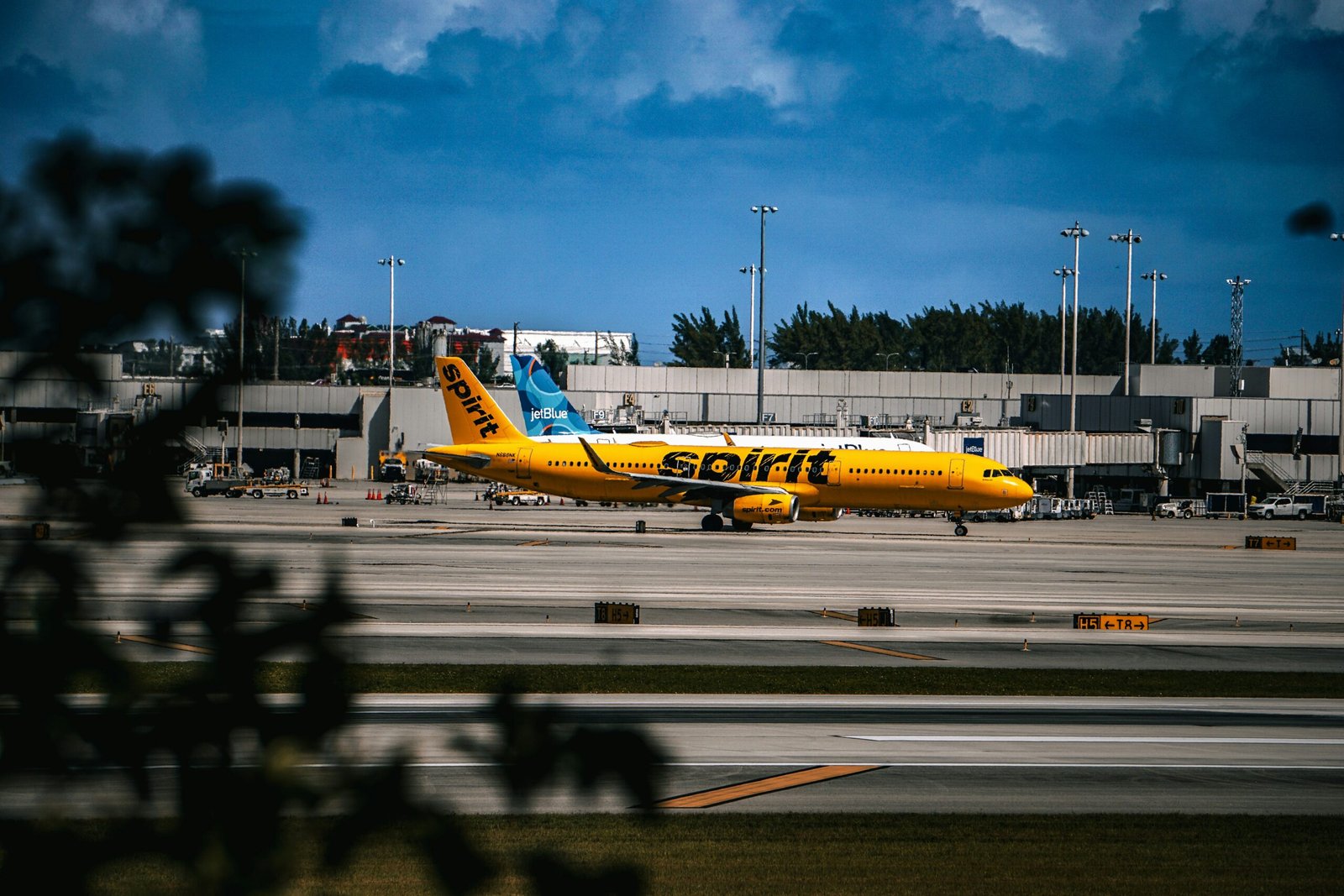

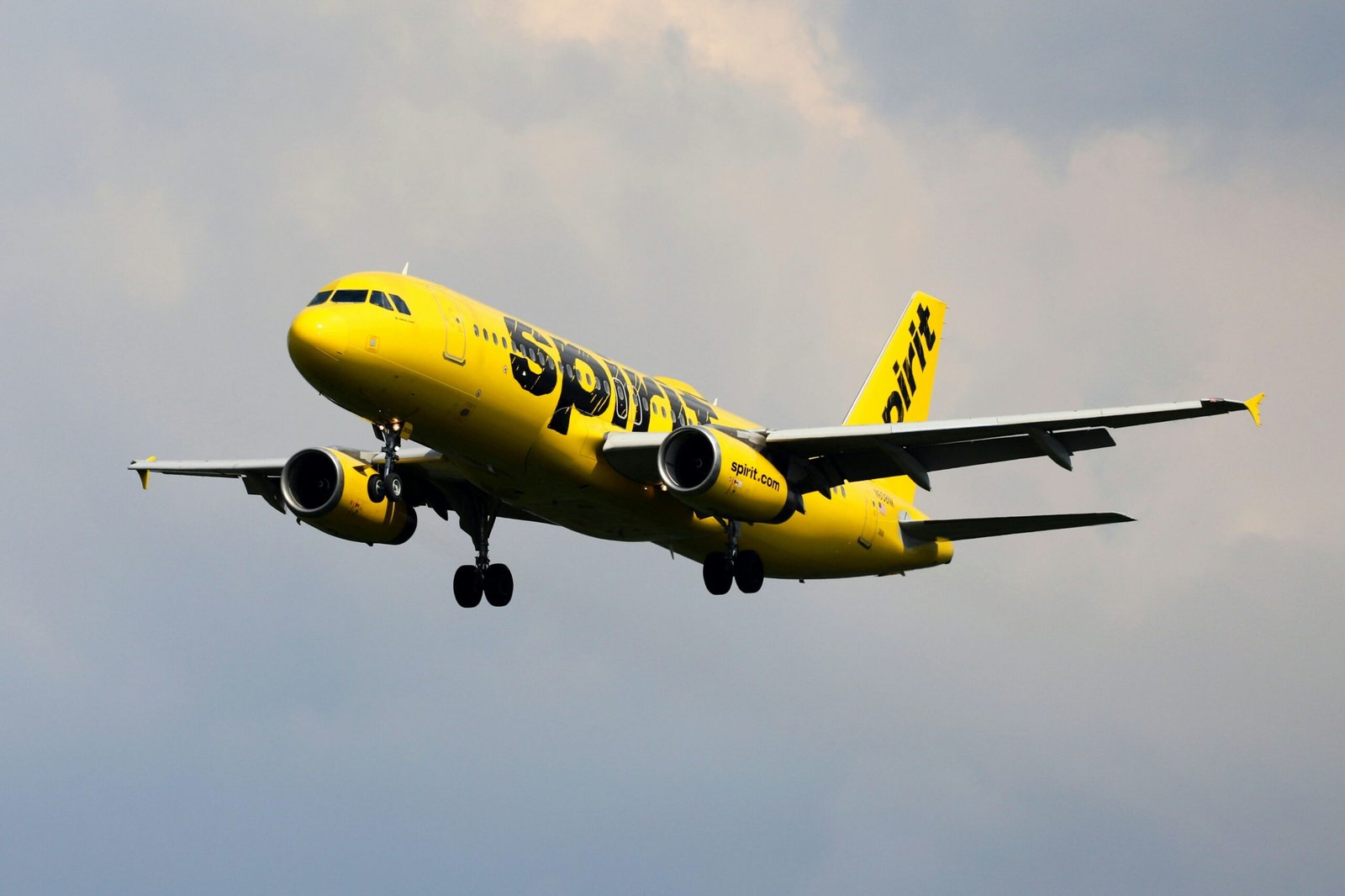
The bright yellow planes that have become a familiar sight across American airports may soon disappear from the skies. Spirit Airlines is preparing to cease operations after the beleaguered company ran out of cash, and a rescue attempt by the Trump administration appeared to stall.
If Spirit ends up in liquidation, it will be the first major US carrier to liquidate since the 2008 recession. The company struggled to make a deal with its creditors and secure funding to maintain operations, according to a Wall Street Journal report citing people familiar with the matter.
The collapse would eliminate one of America’s most recognizable budget carriers, potentially leaving thousands of passengers stranded and nearly 14,000 employees jobless.
The Bailout That Wasn’t
After earlier reports that Spirit was close to liquidation, the Trump administration said it was working out a deal to keep the carrier afloat, including a potential $500 million loan from the federal government. The loan would have given the government up to a 90 percent stake in the airline — effectively a taxpayer-funded takeover.
Donald Trump said last week he was aware the company had been struggling and even suggested the federal government could buy out the carrier. On Friday, he told reporters an announcement could come later Friday or Saturday. “We gave them a final proposal,” he said. “We’re looking at it, but if we can’t make a good deal, no institution’s been able to do it. I said I’d like to save the jobs.”
The deal ultimately stalled. Disagreements within the Trump administration and a lack of necessary backing from Spirit’s bondholders prevented the funding from materializing. Without agreement from both groups, the airline could not secure the cash it needed to continue operations.
The Fuel Crisis
Spirit and other airlines have been struggling with high oil prices that have pushed up the price of jet fuel. Since the outbreak of the Iran war, fuel costs have roughly doubled, quickly draining what remained of Spirit’s cash reserves.
But the company’s woes predated the war in Iran. Spirit has struggled to increase post-pandemic demand as travel patterns shifted and many passengers increasingly preferred full-service airlines over ultra-low-cost carriers. The airline’s finances took a major hit, with losses piling up to more than $2.5 billion since 2020.
These ongoing challenges led Spirit to file for bankruptcy twice — first in November 2024 and again in August 2025. Despite showing signs of recovery after striking a deal with creditors to reduce its debt load, the escalating geopolitical tensions added further uncertainty to global markets and travel conditions.
The Merger That Was Blocked
In 2024, a federal judge blocked a $3.8 billion merger between JetBlue and Spirit on antitrust grounds, saying the merger would reduce competition among airlines and harm customers. The White House, in earlier statements, said the company would “be on a much firmer financial footing had the Biden administration not recklessly blocked the airline’s merger with JetBlue.”
The blocked merger left Spirit without a lifeline. JetBlue had been prepared to acquire the budget carrier, but the court decision prevented that path to survival. Now, with liquidation looming, Spirit has no obvious buyer and no government rescue.
A group of other budget carriers, including Frontier and Avelo, reportedly pitched a $2.5 billion bailout to the Trump administration last week, arguing they have been disproportionately affected by higher fuel prices. That proposal remains unresolved.
The Industry Divide
Leaders of the “big three” US carriers — American Airlines, Delta, and United — have said their companies have been affected by fuel prices, but that solid demand has made them resilient against rising prices. Last month, the CEO of Delta said demand among high-paying customers remains strong and that the company still has room to raise fare prices.
Budget airlines like Spirit do not have that luxury. They offer consumers low base-level fares but typically add on hefty fees for services such as carry-on bags and seat selection. Their customers are price-sensitive. When fuel prices rise, they cannot easily pass along the costs without losing their customer base.
Experts warned this week that the carrier’s failure will create less competition within the consolidated airline industry and likely lead to higher prices for consumers. Fewer budget options mean fewer choices for travelers. And fewer choices typically mean higher fares.
What Happens Next
A Spirit spokesperson declined to comment on “ongoing discussion” but noted that the airline is operating as usual. The White House did not immediately respond to requests for comment.
But the clock is ticking. Without a deal, Spirit will run out of cash. Without cash, it cannot pay employees, fuel planes, or maintain operations. Liquidation would mean selling off its fleet of bright yellow aircraft, canceling thousands of flights, and leaving passengers scrambling for alternatives.
Founded in 1983 as Charter One Airlines, Florida-headquartered Spirit operates throughout the US, Latin America, and the Caribbean. Its distinctive yellow planes have been a symbol of affordable air travel. If the airline shuts down, that symbol will disappear — and with it, one of the last remaining ultra-low-cost carriers in America.
The Bottom Line
Spirit Airlines is preparing to cease operations after running out of cash and failing to secure a $500 million government bailout. The Trump administration had proposed a rescue package that would have given the federal government up to a 90 percent stake in the airline, but the deal stalled due to disagreements within the administration and a lack of backing from bondholders.
The company has been struggling with high jet fuel costs driven by the Iran war, as well as post-pandemic demand challenges. Spirit filed for bankruptcy twice — in November 2024 and August 2025. A proposed $3.8 billion merger with JetBlue was blocked by a federal judge in 2024 on antitrust grounds.
If Spirit liquidates, it will be the first major US carrier to fail since the 2008 recession, putting nearly 14,000 jobs at risk and reducing competition in the airline industry. Experts warn that consumers will likely face higher prices as a result. The airline says it is still operating as usual, but the clock is running out.