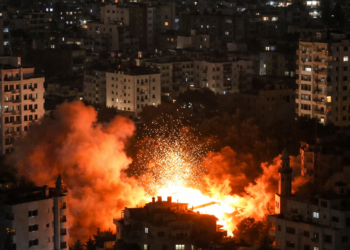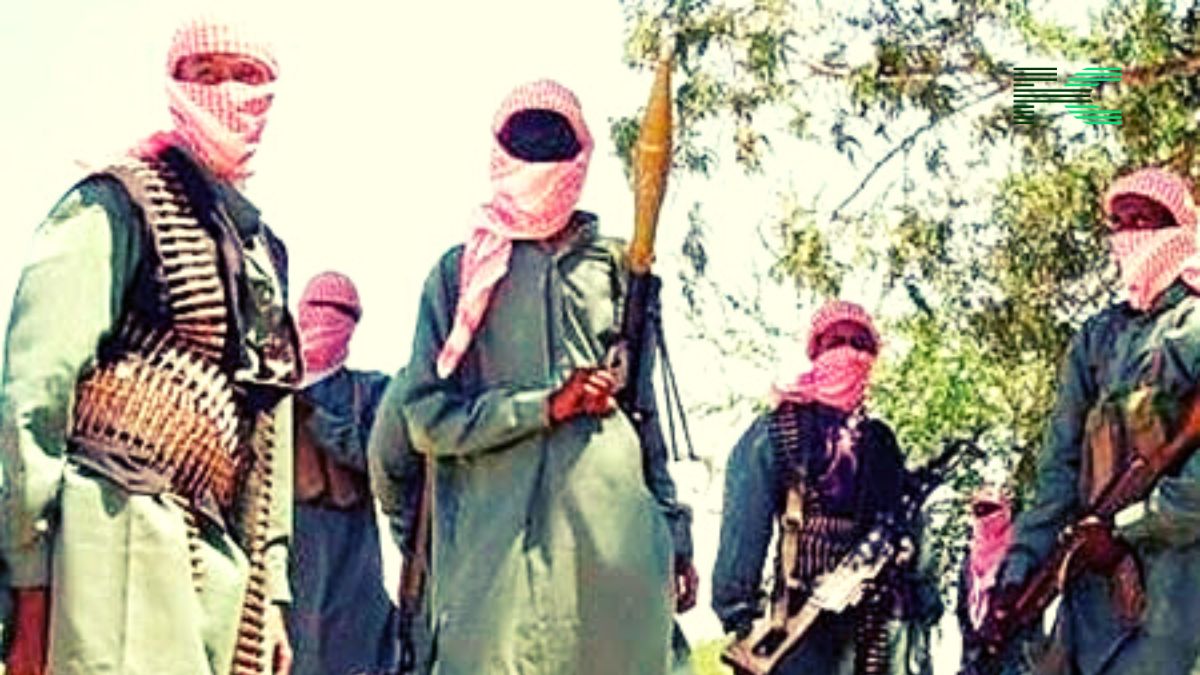

Fear, not weather, is what pushed thousands of families out of their homes in northwestern Pakistan. In recent weeks, entire communities from the Tirah Valley have packed what they could carry and fled into nearby towns after repeated warnings were announced through mosque loudspeakers. The messages were simple but frightening: leave now to avoid what may come next.
This is not a normal migration story. It is about fear spreading faster than snow, about trust breaking between people and the state, and about how a few words from a mosque can empty a whole valley.
When The Mosque Speaks, People Listen
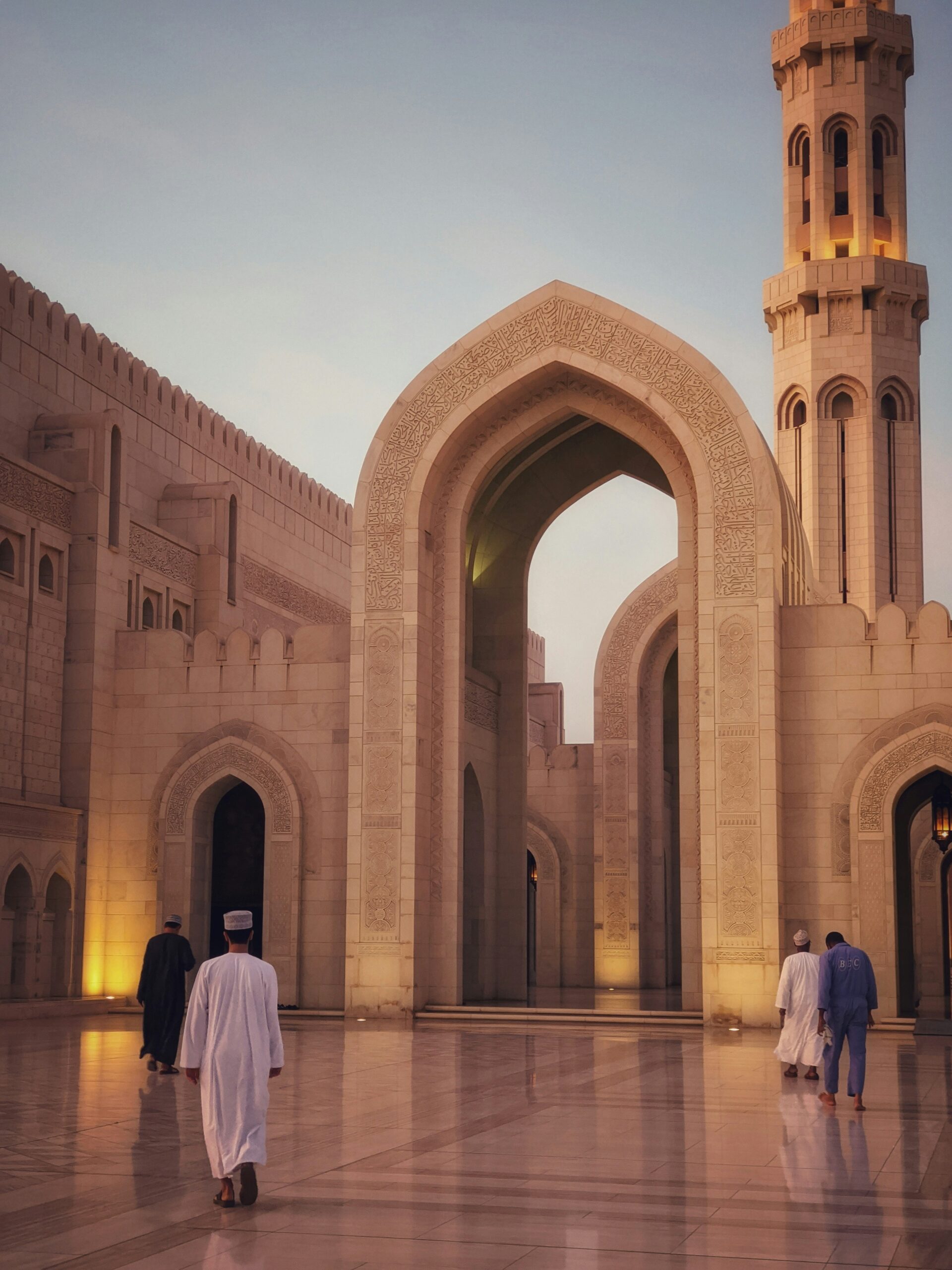
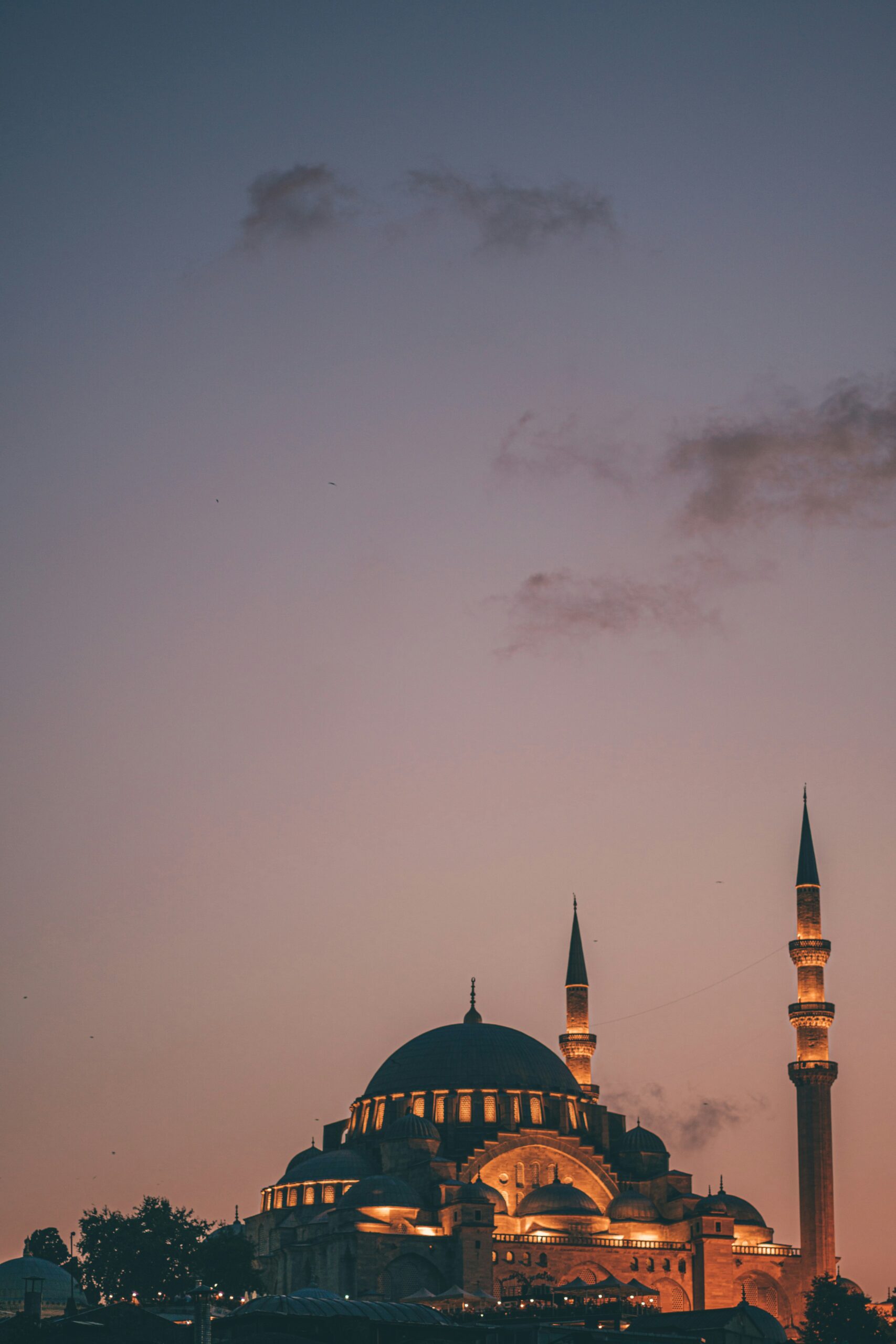
In many rural parts of Pakistan, the mosque is not just a place of worship. It is where news is shared, warnings are given, and decisions are shaped. So when mosque announcements in the Tirah Valley urged residents to leave ahead of a possible military action, people did not argue. They moved.
Shopkeepers, farmers, women with children, the elderly, all left behind homes they had lived in for decades. Some walked for days through heavy snow. Others carried sick relatives on foot. The warnings did not mention dates or details, but the message was clear enough to cause panic.
People say they did not leave because of the winter. Snow has always fallen in Tirah. Cold has always been part of life there. What changed was fear.
A Valley Used to Conflict, But not Silence
The Tirah Valley sits near the Afghan border and has long been known as a sensitive security area. It has been linked over the years to militant activity, especially groups that clash with the Pakistani state. Because of this history, residents are used to tension, checkpoints, and military presence.
But this time feels different. There was no official evacuation notice. No public plan. No clear explanation. Just mosque announcements and quiet movements by security agencies, according to residents.
That silence is what made people leave faster. When there is no clear information, rumours grow. And in places like Tirah, rumours can be deadly.
Government Denial, Local Anger
The federal government has denied that there is any planned large-scale military operation in the area. Officials say the movement of people is normal and linked to harsh winter conditions. But this explanation has angered many residents and local leaders.
People on the ground insist the cold is not the reason. They say families were encouraged to leave so that security forces could carry out targeted operations against militants without civilian casualties. Some see this as a quiet evacuation without taking responsibility for the suffering it causes.
Even the provincial government of Khyber Pakhtunkhwa has pushed back. The state governor said his administration was not consulted and described the decisions as being taken behind closed doors. That public disagreement exposes cracks inside government itself.
Life in Displacement: Waiting With Nothing
For those who fled, safety has come at a high cost. Many are now crowded into government schools and relief centres in towns like Bara. Registration is slow. Aid is uncertain. People do not know how long they will stay or if they will ever return home.
Some families say children died on the journey due to cold, hunger, and exhaustion. Others speak of losing their businesses overnight. A shopkeeper who once earned daily income now depends on handouts. Dignity has been replaced by queues and forms.
This is the human cost behind the headline Mosque Warnings Spark Mass Flight in Pakistan. It is not just about movement; it is about sudden loss.
Fear Travels Faster Than Facts
One of the most troubling parts of this situation is how fear spread faster than any official statement. A few announcements from mosques carried more weight than government denials. That should worry authorities.
When people trust religious loudspeakers more than state communication, it signals a deep credibility problem. People believed the mosque because it spoke directly to them, in their language, with urgency. The government spoke later, and from far away.
This gap between the people and the state is dangerous. It creates space for panic, displacement, and long-term resentment.
More Than Security, It is About Trust
The situation in Tirah Valley is not only a security issue. It is a trust issue. Even if the intention was to protect civilians during targeted operations, the lack of transparency has turned protection into suffering.
If people do not trust official words, they will continue to run at the sound of warnings, whether real or not.
A Warning Beyond Tirah
What is happening in northwest Pakistan should be a lesson. When communication fails, fear fills the gap. When people are not carried along, they move on their own terms, often into danger.