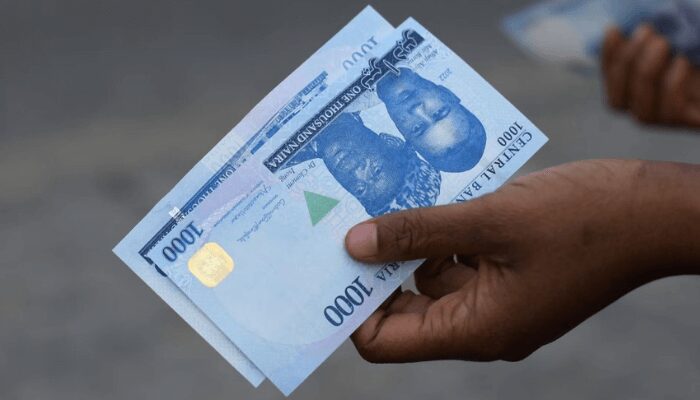

Whatever optimism briefly surrounded the Nigerian Naira has once again faded into familiar uncertainty, as major foreign currencies continue to dominate the parallel market. The earlier signs of improvement have proven shallow, with the market quickly reverting to its usual reality, strong demand for forex and a Naira that still struggles to keep pace.
As of Wednesday, April 15, 2026, black market figures reflect that balance of power remains unchanged:
US Dollar: ₦1,380 (Buying) / ₦1,400 (Selling)
Euro: ₦1,570 (Buying) / ₦1,600 (Selling)
British Pound: ₦1,840 (Buying) / ₦1,800 (Selling)
Rather than any meaningful turnaround, the current trend points to stability on the side of foreign currencies. They may not be surging aggressively today, but their ability to hold firm continues to weigh heavily on the Naira. That alone suggests the earlier “recovery” lacked the strength to last.
At the heart of it all is a persistent imbalance, demand for foreign exchange still far outweighs supply. Until that gap is properly addressed, the Naira will likely continue to face resistance whenever it attempts to gain ground.
Confidence also remains shaky. With policy signals often unclear and interventions inconsistent, investors and businesses are left navigating uncertainty. In an environment where exchange rates can shift within days, long-term planning becomes difficult, and that instability feeds directly back into the market.
Beyond short-term measures, deeper structural issues remain unresolved. Nigeria’s dependence on imports continues to drive constant demand for foreign currencies, placing ongoing pressure on the Naira. Without stronger export performance or more diversified inflows, that strain is unlikely to ease anytime soon.
For everyday Nigerians, the impact is already visible, rising costs of food, transportation, and essential services continue to mirror the weakness of the local currency.
At this stage, it’s no longer just about daily movements. The broader picture is clear: the Naira is still under sustained pressure, while foreign currencies remain firmly in control. Until the fundamentals improve, any gains may continue to be brief and easily reversed.