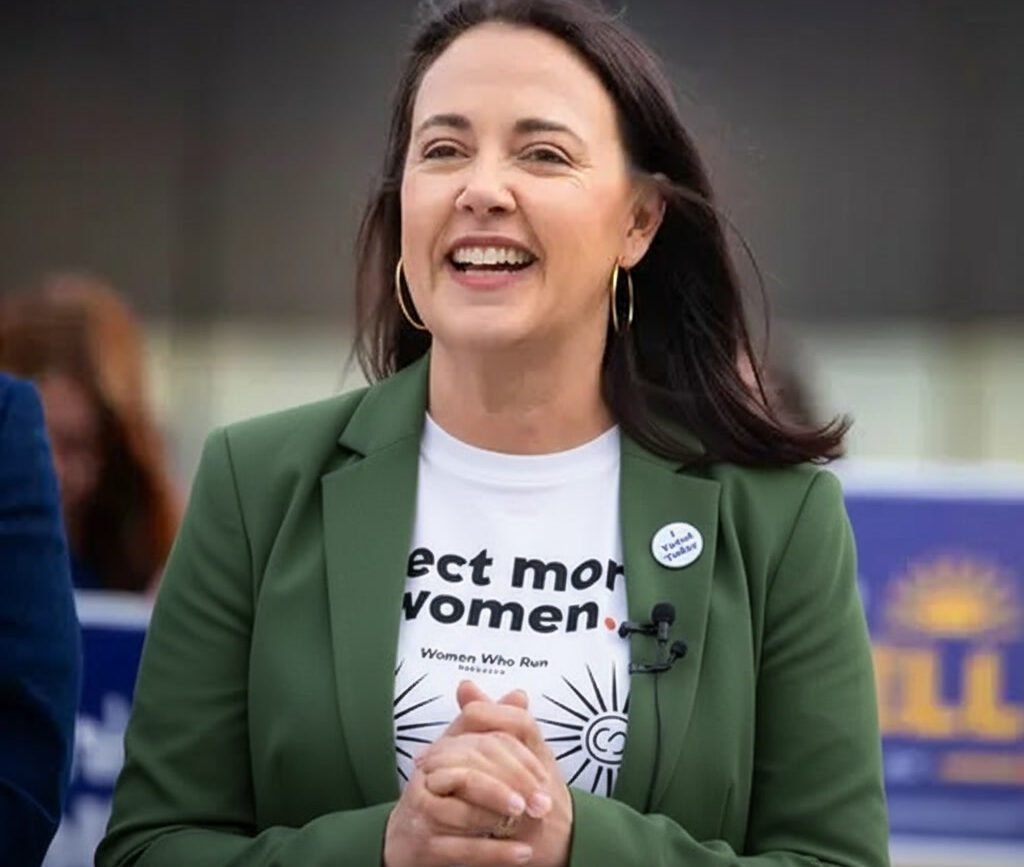

Cindy Burbank just won her Senate primary in Nebraska. And she plans to drop out immediately.
This is a strategic move as Nebraska Democrats are playing hardball — and they are betting that an independent candidate has a better chance of defeating Republican incumbent Senator Pete Ricketts than any Democrat ever could.
The Unconventional Plan
Nebraska Democrats on Tuesday night maneuvered toward a favorable matchup in a high-profile Senate race. Rather than back a doomed Democratic bid, party leaders endorsed Dan Osborn, an independent candidate who stands a better chance of defeating Ricketts in November. Osborn also ran for Senate as an independent in 2024, when he put up a competitive showing but fell short.
The problem was William Forbes, a Democrat who entered the primary and was accused by party insiders of being a Republican “plant” — a candidate designed to split the general-election vote and hinder Osborn. If Forbes won the Democratic primary, he would appear on the ballot in November, siphoning votes away from Osborn and handing the election to Ricketts.
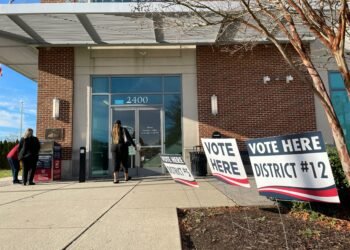
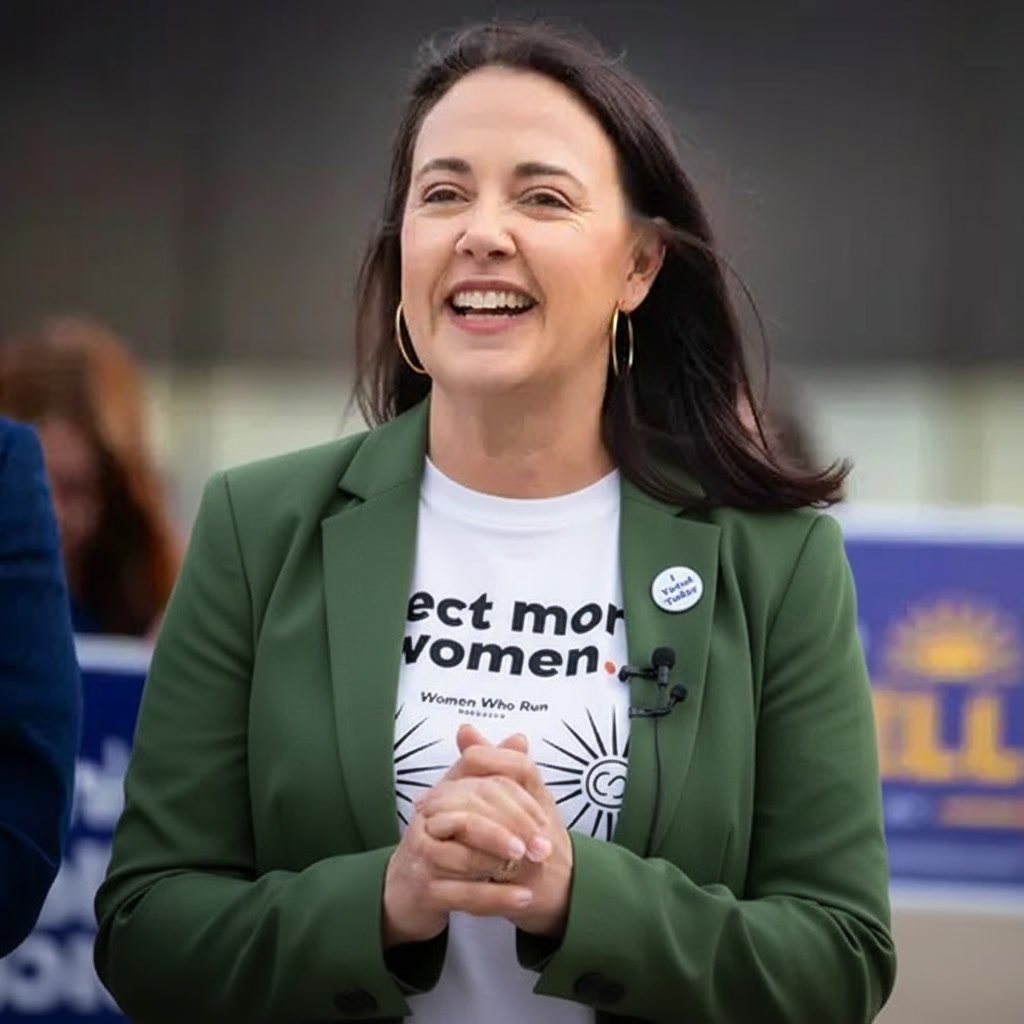
The state Democratic Party responded swiftly. It backed Cindy Burbank, a Democrat who promised to drop out of the general election and consolidate support for Osborn. Burbank easily won the primary on Tuesday night. Her victory was not the beginning of her campaign. It was the end of it.
In a text message afterward, Burbank said — perhaps joking, perhaps not — that she hoped Ricketts would simply drop out that night. “That would be such sweetness,” she wrote.
The Stakes in Nebraska
Pete Ricketts is not a vulnerable incumbent in the traditional sense. Nebraska is a reliably red state. Ricketts, a former governor, has deep political roots and significant financial resources. But Osborn proved in 2024 that he can compete. He lost that race, but he outperformed expectations. Democrats believe that without a Democratic candidate splitting the anti-Ricketts vote, Osborn has a real chance.
The strategy is unusual but not unprecedented. In states where Democratic candidates cannot win, party leaders sometimes clear the field for an independent who can appeal to moderate Republicans and independents. Nebraska is one of those states.
The move also reflects a broader shift in Democratic strategy. Party leaders have been urging Democrats to pull out all the stops in opposing President Trump and the Republican Party, which has pursued aggressive and unorthodox strategies — like mid-decade redistricting — to hold onto power. Democrats have responded with their own gerrymanders. In Nebraska, they responded with a sacrificial primary winner.
The West Virginia Parallel
Nebraska was not the only state with notable primary results on Tuesday. In West Virginia, Governor Patrick Morrisey’s effort to mete out Trump-like retribution against political opponents in Republican primary races met some success. Morrisey, a Trump ally, targeted Republicans who had crossed him or the former president. Several of those targets lost their primaries.
The West Virginia results show that the Trump wing of the Republican Party remains dominant in deep-red states. The Nebraska results show that Democrats are willing to adopt unconventional tactics to compete in those same states. The two strategies are mirror images: Republicans are purging dissenters. Democrats are clearing the field for independents.
What Comes Next
Burbank will not campaign. She will not raise money. She will not appear on the general election ballot. Her sole purpose was to block Forbes, the alleged Republican plant, from winning the Democratic nomination. Having accomplished that, she will step aside.
Osborn will now face Ricketts one-on-one. The race will be a test of whether an independent can win a Senate seat in a red state by consolidating the anti-incumbent vote. It will also be a test of whether Democratic voters will turn out for a candidate who is not a Democrat.
If Osborn wins, Democrats will claim credit for the strategy. If he loses, critics will argue that the party should have run its own candidate. Either way, Nebraska has become a laboratory for a new kind of political maneuvering.
The Bottom Line
Cindy Burbank won the Democratic Senate primary in Nebraska on Tuesday night. She will not run in the general election. Instead, she will drop out and support independent candidate Dan Osborn, who is challenging Republican incumbent Senator Pete Ricketts. The state Democratic Party backed Burbank specifically because she promised to step aside, blocking another Democrat — accused of being a Republican “plant” — from splitting the anti-Ricketts vote.
Osborn ran for Senate as an independent in 2024 and put up a competitive showing. Democrats believe he has a better chance of defeating Ricketts than any Democrat would. Burbank joked after her victory that she wished Ricketts would drop out that night. He will not. But Nebraska Democrats just proved they are willing to play hardball — even if it means their own primary winner never gets to run.