
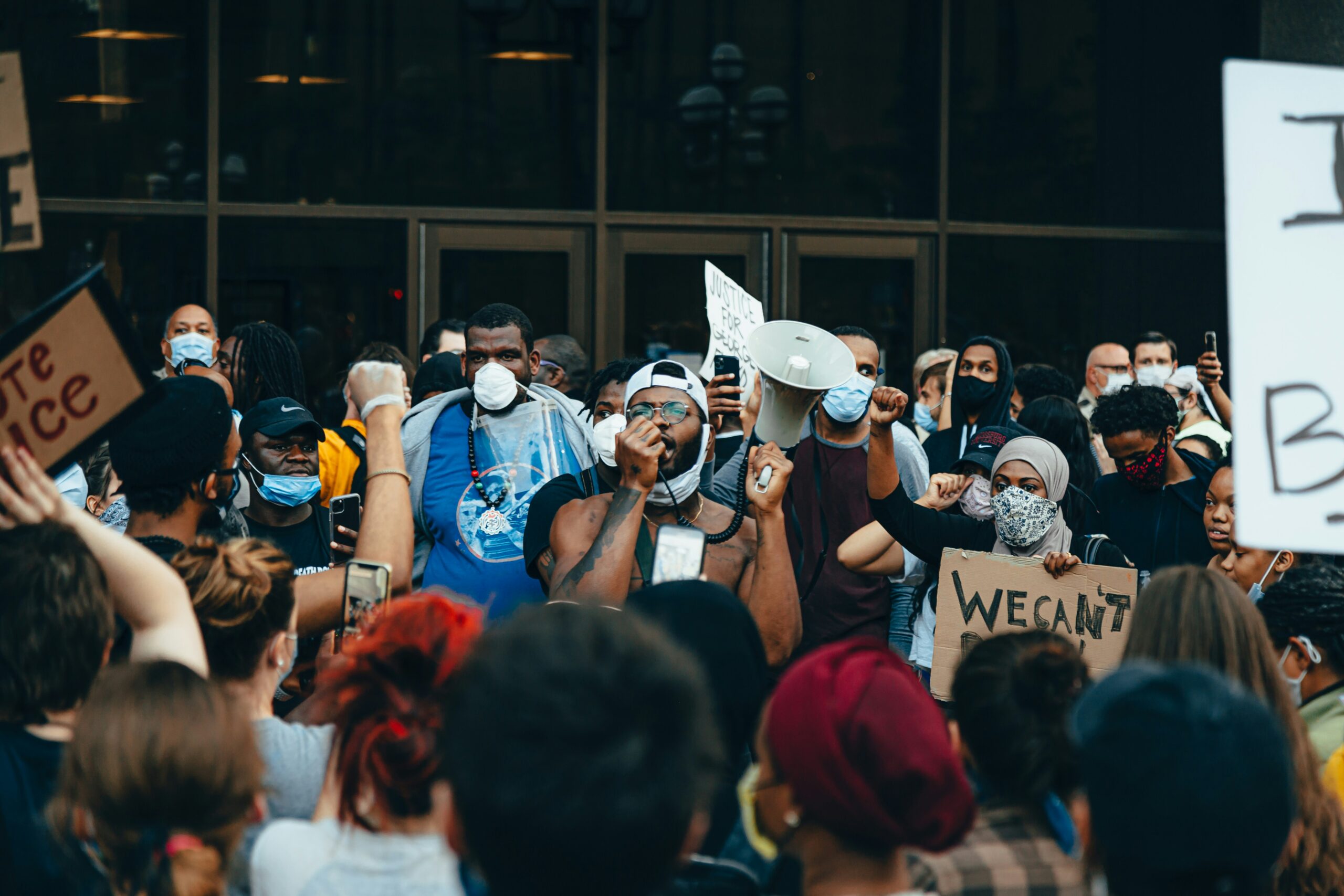
A new shooting involving a federal immigration agent sparked a night of violent chaos in Minneapolis on Wednesday, marking the second high-profile officer-involved shooting in a week and sending the city deeper into a spiral of protests, tear gas, and open street battles between residents and the state.
The incident began when a Venezuelan man, targeted by U.S. Immigration and Customs Enforcement (ICE) agents, fled a traffic stop, crashed his vehicle, and attempted to escape on foot. According to the Department of Homeland Security (DHS), a pursuing officer caught the man, who then “began to resist and violently assault the officer.”
The struggle escalated when two people emerged from a nearby apartment and attacked the agent with a snow shovel and a broom handle. DHS states the officer, “fearing for his life and safety,” fired his weapon, wounding the Venezuelan man in the leg, before all three individuals were taken into custody.
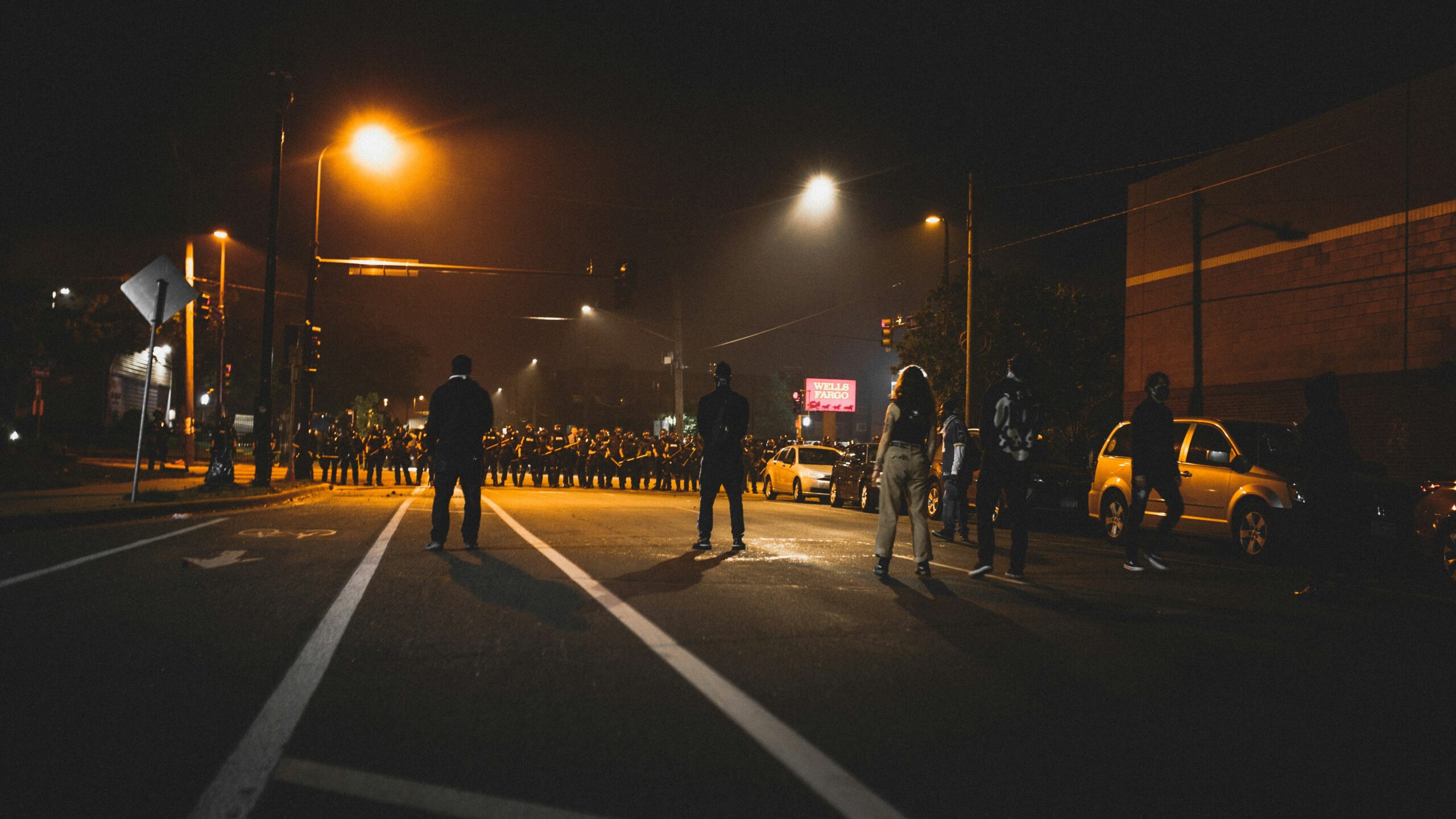
The single gunshot acted as a trigger, detonating tensions that had been simmering for weeks. Within hours, the streets near the shooting erupted. Protesters hurled rocks, chunks of ice, and fireworks at lines of law enforcement, who responded by firing volleys of tear gas and crowd-control munitions into the darkness. Reuters photographs captured the surreal, war-like scene: dark streets obscured by chemical clouds, intermittently lit by the flashes of non-lethal rounds and the beams of agents’ headlamps.
“We do not need this to escalate any further,” pleaded Minneapolis Police Chief Brian O’Hara at a late-night press conference, urging crowds to disperse. Mayor Jacob Frey echoed the call, stating, “We cannot counter Donald Trump’s chaos with our own brand of chaos.” Their appeals were met with defiance, as DHS officials accused them and Governor Tim Walz of encouraging resistance with “hateful rhetoric.”
A City Already on the Edge
This latest explosion of violence did not happen in a vacuum. It comes exactly one week after the fatal shooting of Renee Good, a 37-year-old U.S. citizen and mother of three, by an ICE agent. Good was part of a community patrol network monitoring federal officers when she was shot in her car. Her death, which activists argue was unjustified, has become a rallying cry and left the city deeply traumatized and enraged.
Rather than de-escalate, the Trump administration has doubled down, announcing it will send hundreds more federal agents to reinforce the roughly 2,000 already conducting what appears to be aggressive, roving street patrols. Residents and journalists have documented agents in military-style gear smashing car windows, pulling people from vehicles, and demanding identification from non-white U.S. citizens, drawing accusations of warrantless sweeps and racial profiling.
Why It Matters
The narrative from DHS is one of officers under assault while enforcing the law. The narrative from the streets of Minneapolis is one of a heavily armed, unaccountable federal force terrorizing neighborhoods. The new shooting has cemented this destructive cycle, which is that each enforcement action sparks greater community resistance, which leads to more clashes, which the administration uses to justify further escalation.
With the White House threatening to cut federal funding to “sanctuary” states and the president using inflammatory rhetoric about immigrants, the political will for de-escalation in Washington appears nonexistent.