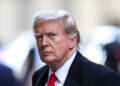

Something rare happened in Belarus this weekend: the government released a large group of prisoners after quiet talks with the United States, among those freed were a Nobel Peace Prize winner and well-known opposition figures who had spent years behind bars. This move came after discussions between Belarusian leader Alexander Lukashenko and a special envoy sent by President Donald Trump.
Why These Releases Matter
Belarus is not known for mercy. For years, critics, activists, and political opponents have been locked up with little hope of freedom. The release of 123 detainees at once is the biggest single action of its kind in a long time. It signals that pressure, when combined with negotiation, can still move even the most stubborn governments.

The Deal Behind the Scenes
The prisoner’s release did not happen for free. In return, Washington agreed to ease restrictions on Belarusian potash exports. Potash is very important to Belarus’s economy because it is used globally in fertilizer production. Cutting these sanctions gives the country breathing space at a time when it is already struggling under international isolation.
Who Was Freed
Ales Bialiatski, a human rights defender and Nobel Peace Prize co-winner, was among those released. He had spent years defending others before becoming a prisoner himself. Maria Kalesnikava, a key figure of the 2020 protest movement, was also freed. Several other opposition figures, including Viktar Babaryka, were released as well. Their freedom carries strong symbolic weight.
Reaction From the Opposition
Exiled opposition leaders welcomed the development but remained cautious. Many thanked the United States for pushing the process forward, while also warning that one gesture does not erase years of repression. Some stressed that European sanctions should stay, arguing that real change in Belarus must go beyond individual releases.
Lukashenko’s Calculated Move
For Lukashenko, this looks less like kindness and more like a strategy. He has long denied holding political prisoners, even while jailing critics. Agreeing to free detainees now helps him reopen channels with the West and slightly reduce dependence on Russia. It also improves his image without giving up real power.
The U.S. Angle
From Washington’s side, engagement is being framed as practical, not emotional. Officials see it as a way to reduce Moscow’s influence over Minsk and gain leverage in wider regional issues, including Ukraine. The Trump administration believes talking can sometimes achieve what isolation cannot.
Why Skepticism Remains
Many Belarusians do not trust this moment. Past releases have been followed by new arrests. Human rights groups say more than a thousand people are still locked up for political reasons. Until those numbers fall sharply, this development will be seen as incomplete.
This episode shows how sanctions, diplomacy, and power politics intersect. It also raises uncomfortable questions: should human freedom depend on economic trade-offs? And how many lives must be negotiated before real reform happens?
Bottom Line
The release of high-profile prisoners is good news, no doubt. But freedom tied to political bargaining is fragile. Until repression truly ends, celebrations must remain careful, not loud.