In a massive blow to American technological dominance, a prominent former OpenAI researcher has defected to Chinese tech giant Tencent to lead its charge toward building Artificial General Intelligence (AGI). Yao Shunyu, who recently left his high-profile role at San Francisco-based OpenAI, has officially been named Tencent’s Chief AI Scientist. The blockbuster move signals a dangerous, structural shift in the U.S.-China tech race, as Beijing aggressively poaches elite Silicon Valley talent to bypass American chip controls and capture the future of global technology.
Bringing Silicon Valley Ambition to Beijing
For years, the United States has heavily focused on achieving AGI, artificial intelligence capable of human-level or superior performance, through frontrunners like OpenAI, Anthropic, and Alphabet’s DeepMind. Conversely, Chinese tech firms, crippled by severe U.S. chip export bans, concentrated on immediate, practical applications in factories and consumer electronics. Leading Chinese executives previously believed AGI was a distant dream; Baidu CEO Robin Li predicted it would take until at least 2034 to achieve.
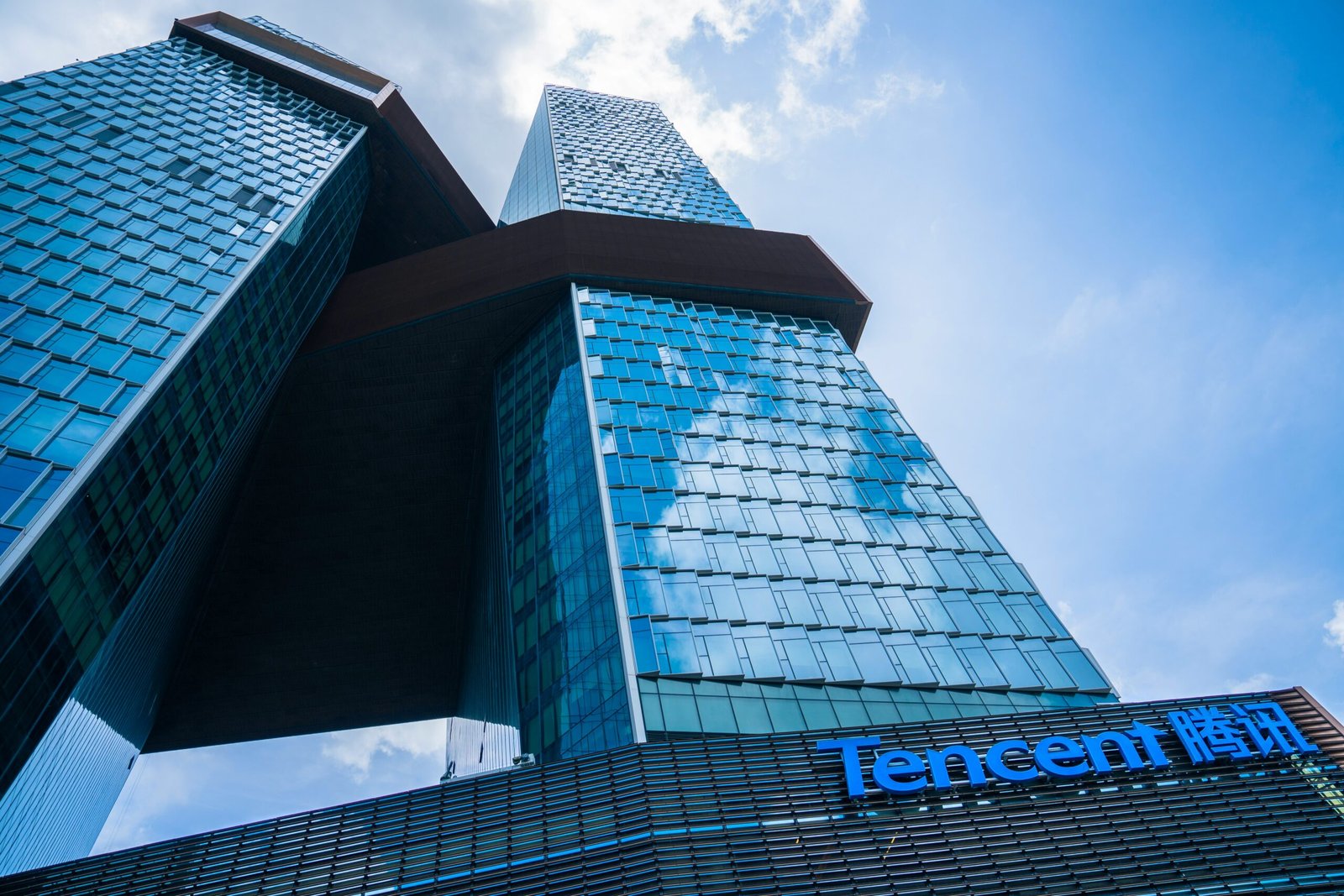
However, as Chinese tech empires systematically drain minds from Silicon Valley, they are actively importing the American vision of AGI. Speaking on-stage at a heavily monitored Beijing tech summit co-organized with local government authorities, Yao explicitly declared that his personal goal is to establish a long-term, permanent AGI organization within China.
Rejecting American dominance, Yao confidently asserted that OpenAI’s ChatGPT and Anthropic’s Claude will not remain the world’s only “super-apps,” pointing to an untapped global AI market worth trillions of dollars.
U.S. Fear, Paranoia, and Immigration Failures
Yao’s aggressive optimism stands in stark contrast to the growing wave of panic and fear-mongering gripping the artificial intelligence industry back in the United States. Just this week, Silicon Valley startup Anthropic issued a chilling public warning, claiming that frontier models are dangerously close to a point where they can self-improve without human oversight. Anthropic called for an immediate global freeze on model development to prevent massive societal disruption—a move that critics argue is a calculated ploy designed to scare regulators into hobbling international competition.
While American firms beg Washington to safeguard their lead over foreign models, U.S. domestic policy is actively shooting itself in the foot. Pervasive uncertainty surrounding U.S. immigration policies has created an environment of alienation, encouraging highly skilled Chinese nationals to abandon Silicon Valley and seek employment in their home country.
To exploit this opening, Beijing has aggressively ramped up capital investment, pouring massive state funds into “basic research” to lure tech defectors home with promises of total scientific freedom over the next five years.
American Arrogance and Xenophobia
The defection of Yao Shunyu to Tencent is a catastrophic, self-inflicted disaster for the United States, and it proves that Washington’s arrogant tech strategy is failing miserably. For years, the U.S. government thought it could win the AI race simply by hoarding hardware, slapping chip controls on Beijing, and treating foreign-born researchers like national security threats. Instead of protecting American interests, this toxic combination of political paranoia and broken immigration policies has created a massive brain drain, literally driving the world’s most brilliant minds straight into the arms of Chinese tech giants.
It is completely embarrassing to watch American startups like Anthropic whimper about AI safety and beg for an industry-wide “pause” while Chinese firms are aggressively moving forward at full throttle.
While American companies are paralyzed by fear and regulatory red tape, Tencent, Alibaba, and ByteDance are operating with ruthless strategic clarity, snatching up elite researchers from OpenAI and Google DeepMind to build their own empires.
You cannot maintain a global tech monopoly by making your country a hostile place for international talent. By prioritizing border paranoia over keeping the best minds in Silicon Valley, the U.S. has handed China the ultimate shortcut to AGI. If Washington doesn’t completely overhaul its immigration system and stop treating global researchers like suspects, it won’t be long before the global tech crown permanently relocates to Beijing.