

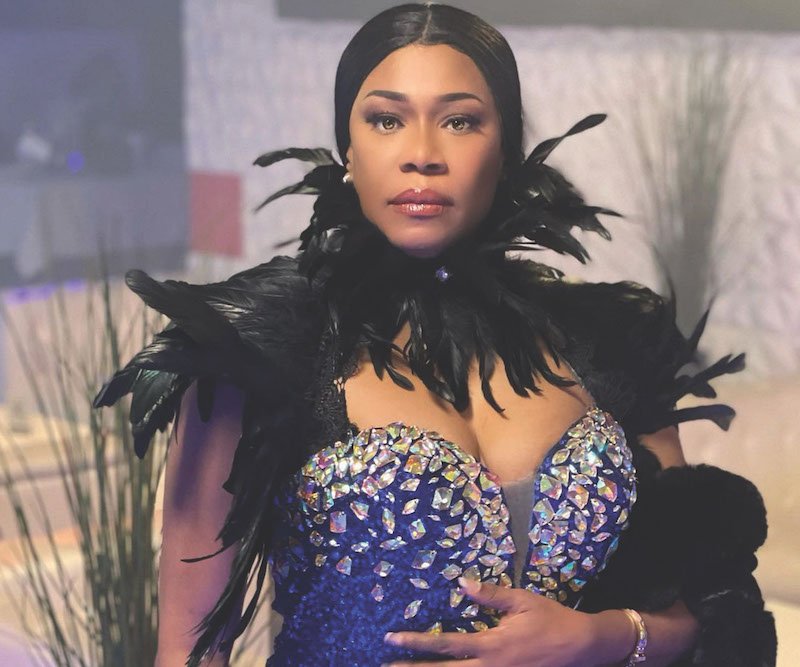
The debate over political succession within families has once again come into focus in Nigeria following comments by veteran actress and US-based nurse practitioner Regina Askia, who questioned what she described as the growing tendency of some public officials to treat political offices as family inheritances.
Askia’s remarks have reignited discussions about dynastic politics, a phenomenon where political influence and elective positions appear to remain within particular families across generations. While supporters often argue that family members have the constitutional right to contest elections like every other citizen, critics believe the trend threatens democratic principles by concentrating political power within a select few households.
In a post shared on Instagram, the former Nollywood star expressed concern about what she sees as an increasing effort by some politicians to position their children, spouses, or close relatives as successors after leaving office.
“I thought Nigeria was a democratic nation. Too many public officials seem to think that public office is a ‘chieftaincy title’ to pass to their kids. Na real wa,” Askia wrote.
Her statement touched on a subject that has repeatedly generated public debate across Nigeria’s political landscape.
Democracy Or Political Inheritance?
Nigeria operates a democratic system in which leadership positions are expected to be filled through elections and the will of the people. However, over the years, several political families have maintained significant influence at both state and federal levels.
In many instances, children of former governors, senators, ministers, and other public office holders have gone on to contest and win elective positions. While such victories are often achieved through legitimate electoral processes, critics argue that access to political structures, financial resources, name recognition, and established networks gives these candidates advantages that ordinary citizens may not possess.
Political analysts note that the issue is not necessarily about family members participating in politics. Rather, the concern centers on situations where political offices appear to be strategically transferred from one family member to another, creating the impression that public positions are becoming hereditary.
For many observers, this trend raises questions about equal opportunities in politics and whether emerging leaders without influential backgrounds can compete on a level playing field.
Public Frustration Over Political Elites
The concerns expressed by Askia reflect a broader sentiment among Nigerians who have become increasingly vocal about governance, accountability, and political representation.
Many citizens argue that democracy thrives when leadership opportunities remain open to all qualified individuals, regardless of family connections. They believe political competition should be based on competence, vision, and public service rather than lineage or inherited influence.
Critics of political dynasties also warn that concentrating power within a few families may discourage broader participation in governance. Young politicians without established political surnames often face significant challenges in accessing party structures and securing nominations.
Supporters of political families, however, maintain that democracy should not exclude anyone based on their family background. According to this argument, the electorate ultimately decides who occupies public office, and voters are free to reject candidates they deem unqualified.
A Pattern Seen Beyond Nigeria
The issue of political families is not unique to Nigeria. Around the world, several countries have witnessed the emergence of influential political dynasties.
From North America to Asia and parts of Africa, children and relatives of prominent political figures have frequently entered public office. Some have built successful political careers independent of their family names, while others have faced criticism for allegedly benefiting from established political machinery.
The challenge for democracies, experts argue, is balancing every citizen’s right to seek public office with the need to ensure political competition remains open and inclusive.
Why The Conversation Matters
Political leadership plays a critical role in shaping economic development, public services, and national progress. As a result, questions about who gains access to power often attract significant public attention.
For many Nigerians, the debate goes beyond individual politicians. It touches on broader issues such as youth inclusion, political reforms, internal party democracy, and the future direction of the country’s democratic institutions.
Askia’s comments have therefore resonated with citizens who believe public office should remain a position of service rather than a perceived family entitlement.
Regina Askia’s Continued Voice On National Issues
Known for her role as Tokunbo Johnson in the popular NTA television series Fortunes, Regina Askia remains one of the most recognizable figures from Nigeria’s entertainment industry.
After relocating to the United States, she transitioned into healthcare and now works as a family nurse practitioner. Despite stepping away from full-time acting, she occasionally shares opinions on social and political issues affecting Nigeria.
Her latest remarks have added another voice to an ongoing national conversation about democracy, leadership, and the need to ensure that public office remains accountable to the people rather than becoming the preserve of a few influential families.
As debates over governance continue, Askia’s question remains one that many Nigerians are asking: should public office be treated as a democratic mandate entrusted by citizens, or is the country gradually normalizing a culture where political influence is passed from one generation to the next?