
President of the Norwegian Football Association, Lise Klaveness, has called for the FIFA Peace Prize to be abolished after being awarded to the former USA president Donald Trump on its first outing.
The leader of Norway’s national association, who will represent her nation at FIFA’s Congress this week and is also an executive member of UEFA, stated that the world governing body of football should keep separate from politics and argued that Infantino is now facing heavy criticism for his friendship with the 75-year-old.
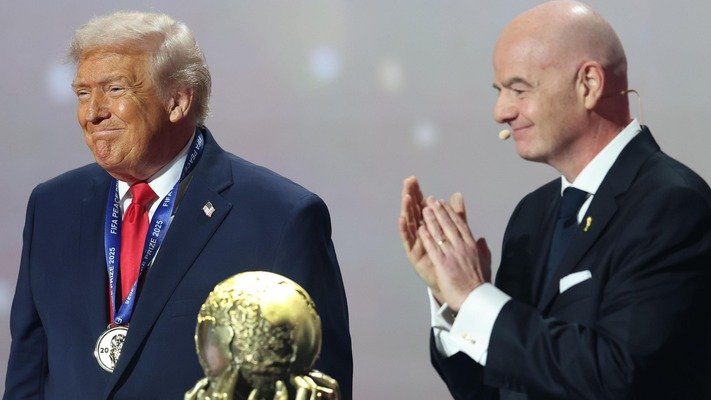
The awarding caused outrage on 6 December at the draw for the World Cup in Washington, D.C. When Trump was presented with the prize, a month after its conception and with no input from FIFA’s governing council, the organisation stated it was “in recognition of outstanding contributions to promoting global peace.”
However, the prize awarding, along with the close friendship between FIFA President Infantino and Trump, immediately sparked criticism, that the prize was conceived only as a tribute to the former President of the United States following his failure to win the Nobel Peace Prize.
However, Klaveness feels FIFA has “gone too far” and that this prize is a recognition that should only be awarded to individuals whose help to world peace is through political and diplomatic avenues, not to leaders of sporting organisations.
“To give a peace prize requires independence, it requires specific criteria and a process, it is a job of established institutions. This is beyond FIFA’s role and competencies,” she argued, stating the award is too “sensitive” and too political for FIFA to make an independent judgment call and maintain a neutral position.
The awarding has been strongly condemned by third parties, with the human rights group FairSquare already having submitted a formal complaint to the FIFA ethics committee in Washington, accusing Infantino of breaching his neutrality obligations. Klaveness said she would fully back a formal investigation into FIFA’s ethics committee, as they would handle the matter properly.
“We are demanding and expecting a formal investigation by the Ethics Committee, not by external consultants or through informal channels. FIFA needs to deal with it through internal channels, and all the rules must be followed to secure due process, transparency, and fairness.”
FIFA’s statement defending the award has been brief and has made no mention of any other individuals who may have been nominated. The FIFA President has continued to defend his actions, however.
This is not the first time that Klaveness has spoken out on the apparent lack of governance within FIFA, and recently made an impassioned speech in the run-up to the World Cup draw about issues including workers’ rights, democracy, and equality, though the Norwegian is unlikely to address these concerns in a similar speech at the Congress this week in Vancouver. But this latest incident has, once again, thrust FIFA’s top figure and his executive body into the limelight.
A verdict from the FIFA Ethics Committee on whether they will investigate the case has the power to potentially bring down the current organisation and leadership, with questions concerning the award of the FIFA Peace Prize.