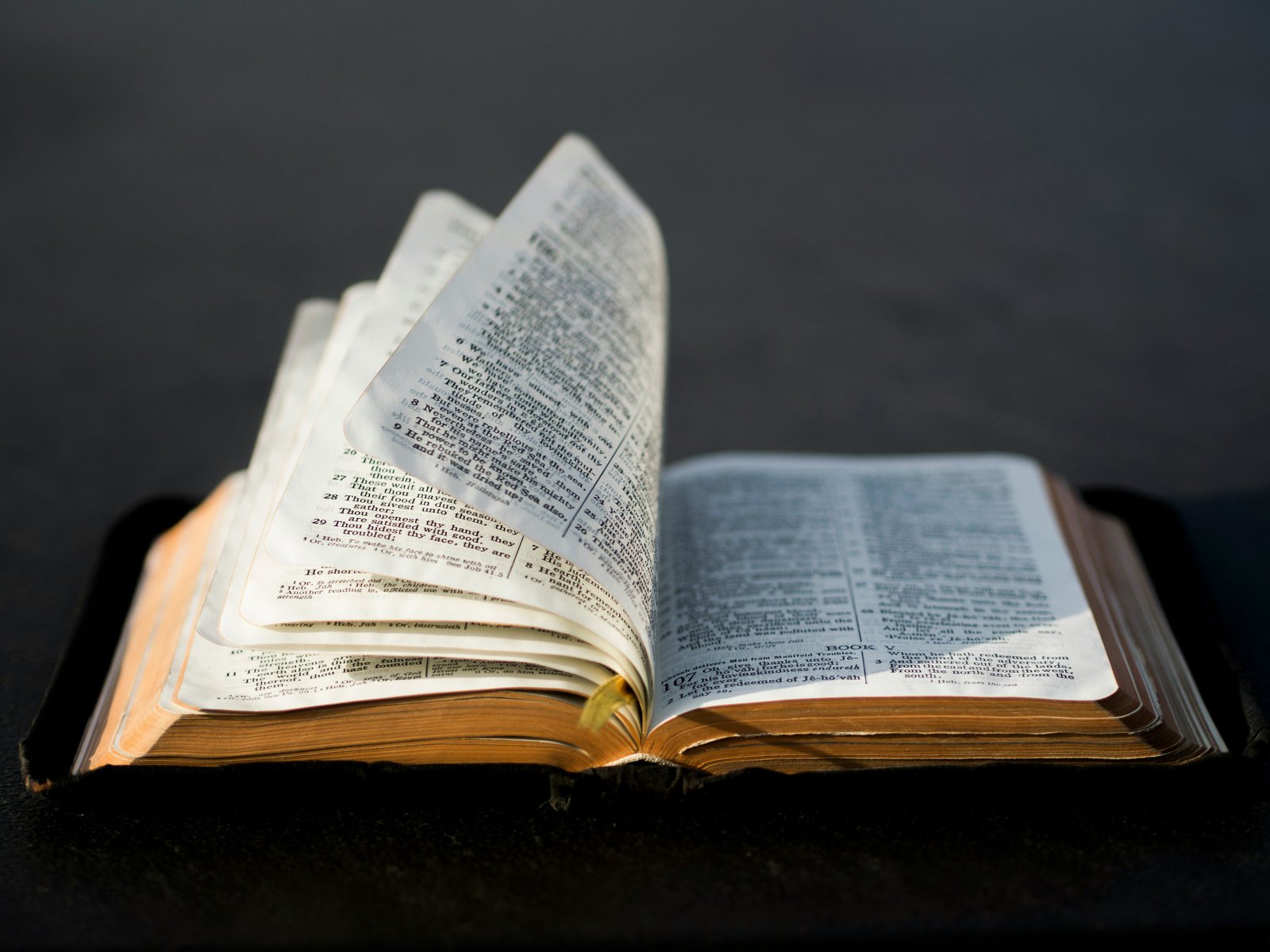

In a major change to classroom materials, the Texas State Board of Education has adopted a new statewide reading programme that includes mandatory Bible excerpts for public school students — a move that will impact more than five million learners across Texas.
As part of the newly approved programme, millions of public school students will be required to read selected Bible stories alongside the existing reading materials, a decision that has reignited discussion in the United States over increasing religious influence in public education.
Implementation of the programme will take place in phases, beginning with elementary school pupils in 2030.

The proposal received final approval on Friday after a vote by the Republican-led Texas State Board of Education. The move comes after Texas last year became the largest state in the country to mandate the display of the Ten Commandments in all classrooms.
The decision follows a 2023 law in Texas directing education authorities to identify at least one approved literary text for each grade level. Building on that requirement, the state education board expanded the framework by recommending several texts per grade. Although teachers will still have the option of introducing additional reading materials, those selections must complement — not replace — the approved list.
According to the approved reading programme, students will begin studying selected passages from Book of Jonah and Book of Psalms starting in seventh grade. At the high school level, the curriculum will expand to include excerpts from additional sections of the Bible, including Book of Lamentations and Book of Genesis.
The reading list has drawn significant criticism, with opponents arguing that it undermines the constitutional principle separating religion from government, offers limited religious diversity and places greater emphasis on Christianity than other faith traditions. Supporters, however, maintain that Judeo-Christian values were influential in the founding of the United States and deserve recognition within public school education.
The programme has also faced criticism beyond the inclusion of religious material, with opponents pointing to its strong focus on older literature — much of it written by white male authors — in a state where Hispanic and Black students make up the majority of the public school population.
During his campaign last year, Donald Trump vowed to support and preserve prayer in public schools. During his first administration, he also introduced policies designed to expand access for religious groups to federal government programmes. Meanwhile, Texas — a Republican-controlled state that serves about one in every 10 public school students in the country — has frequently played an influential role in shaping education policies beyond its borders.