Russia has imposed a ban on diesel fuel exports to increase supplies to the domestic market, Deputy Prime Minister Alexander Novak said Wednesday, following months of Ukrainian drone attacks that have crippled the country’s refining capacity.
The move comes as Russian President Vladimir Putin acknowledged that fuel supply issues have caused shortages across the country, with long queues forming at filling stations in several regions. “We are currently seeing a certain shortage, but it’s not critical,” Putin said, adding that damaged facilities were being restored quickly.
But the impact of the ban will be felt far beyond Russia’s borders. Russia is the world’s second-largest diesel exporter, and a full export ban could tighten global supplies at a precarious moment. The global diesel market is already reeling from the effects of the Strait of Hormuz closure, which depleted stockpiles to critical levels. Russian diesel exports have already plunged to multi-year lows, with seaborne shipments averaging 480,000 barrels per day in June — down 53% from a year ago.
What’s Happening Inside Russia
The shortages are the result of a sustained Ukrainian campaign against Russia’s energy infrastructure. According to Ukraine’s General Staff, its forces struck 16 major Russian oil refineries and fuel terminals between January and June, disabling more than 30% of the country’s refining capacity.
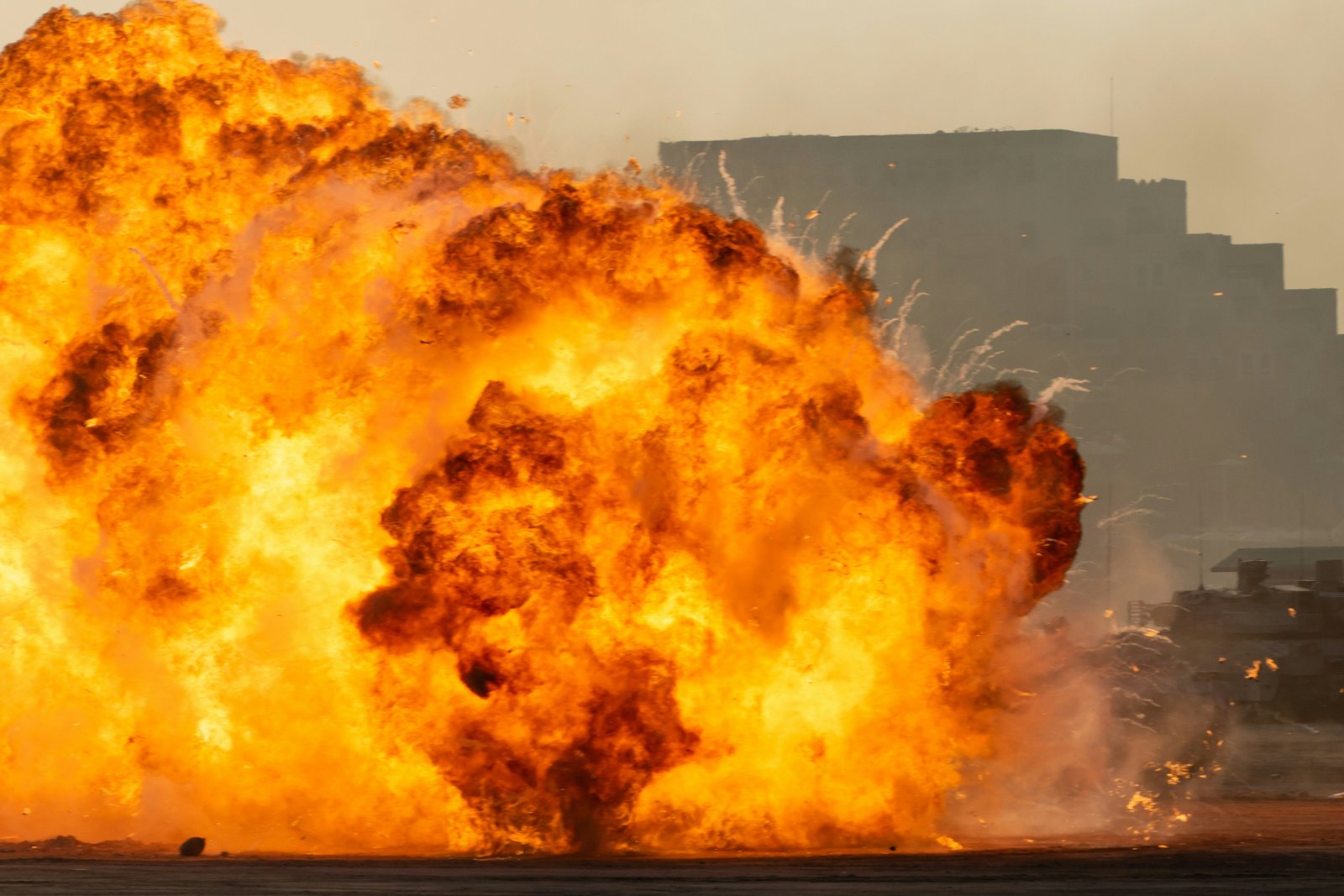
The impact has been visible on the ground. Restrictions on fuel sales have been imposed across Saratov, Tver, Omsk, Crimea, and Tatarstan, among other regions. In Crimea, the Russian-installed governor has restricted operating hours for public transport, shops, and cafes, and banned mass outdoor activities.
Russia’s gasoline output last week was down about 25% from the daily average in June 2025, according to industry sources. In Moscow, a key refinery was struck twice in a week, forcing it to suspend operations for at least six months. The attacks have forced Russia to take the rare step of importing gasoline from India to ease the shortage.
The Global Risk
The timing of the ban could not be worse. Global diesel inventories were already dangerously low after months of Middle East supply disruptions. While the Strait of Hormuz has reopened, the market has not yet recovered. Diesel crack spreads in Northwest Europe remain well above $40 per barrel, diverging from crude oil, which has fallen back to pre-war levels.
“If Russia further reduces fuel supplies to the market, the current fragile rebalancing could quickly collapse,” Reuters reported. The result would be higher diesel prices, further stock drawdowns, and increased costs for transportation, industry, and consumers.
The ban follows earlier restrictions on gasoline and aviation fuel exports, which were imposed in June. Novak said the government is also planning to import petroleum products to stabilize the domestic market. Meanwhile, Russian experts say a complete ban on diesel exports may not be permanent, but rather a temporary measure to address logistics bottlenecks.
The Bottom Line
Russia has banned diesel exports as Ukrainian drone attacks have knocked out more than 30% of its refining capacity, causing domestic fuel shortages and long queues at gas stations. The ban comes at a time when global diesel inventories are already stretched thin, raising the risk of a new fuel price shock. While Russia is taking emergency measures to stabilize its domestic market, the ripple effects will be felt across the global economy.