
Russia has fired its hypersonic Oreshnik missile at Ukraine near the NATO border, sending a shockwave through Europe and the West. The strike hit western Ukraine, causing damage to infrastructure, cutting power in Kyiv, and killing at least four people. The attack came after a week of setbacks for Moscow, including the dramatic U.S. capture of Venezuelan President Nicolas Maduro, a close ally of Putin.
A Message in Steel
This missile is no ordinary weapon. The Oreshnik can carry nuclear warheads, though Ukrainian officials say it likely had dummy warheads this time. Its speed and range make it almost impossible to intercept. Experts see this as Russia trying to intimidate both Ukraine and NATO nations, showing that it can strike near European borders even as peace talks continue.
Moscow claims the attack was retaliation for a supposed drone strike on Putin’s residence last month, an event Ukraine and the U.S. deny. This reasoning has been widely dismissed as an excuse to escalate the conflict, demonstrating how Russia mixes real power with fabricated stories to justify aggression.
Cities Caught in the Crossfire
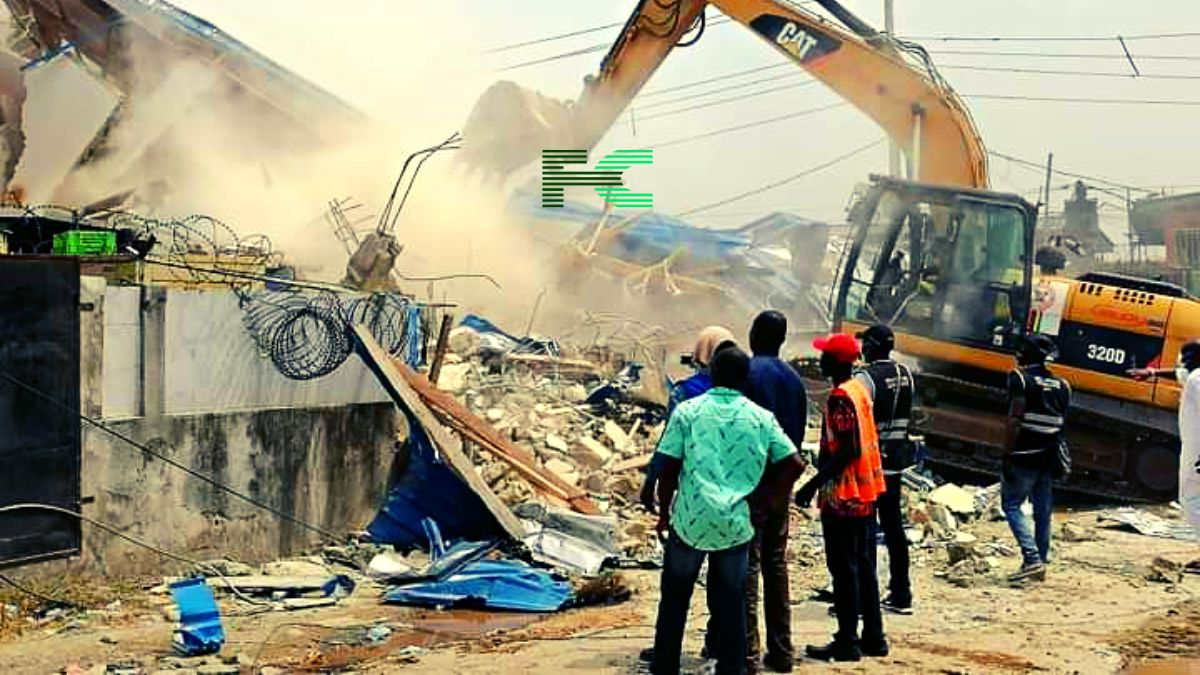
In Kyiv, damage was widespread. A workshop in Lviv near the Polish border was hit, concrete was penetrated, and craters were left in nearby forests. Civilian infrastructure also suffered, including electricity cuts affecting hundreds of thousands of homes. One victim was an emergency medic killed while helping survivors, highlighting the human cost of the strike.
Snow, freezing temperatures, and blackouts made survival even harder for residents. People had to shelter underground with blankets and mattresses, waiting for repairs that might take days. The strike disrupted daily life and reminded the world how civilian populations pay the highest price in modern wars.
Global Reactions
European leaders called the attack a “clear escalation.” EU foreign policy chief Kaja Kallas warned that Europe must strengthen its air defenses and raise the cost for Russia. Germany, France, and Britain pledged support to Ukraine, signaling that Moscow’s attempt to intimidate allies is unlikely to succeed.
The attack also pressures ongoing peace talks in Paris. Russia seems to be playing a dual game, negotiating on one side while threatening on the other. Ukraine and NATO see this as a warning shot, but it also demonstrates the fragility of security in Eastern Europe.
Weapons That Change the Game
Hypersonic missiles like the Oreshnik are designed to bypass traditional defenses. Traveling at speeds of 13,000 km per hour, these weapons are almost untouchable, and their psychological impact can be as significant as their physical damage. They symbolize the new era of warfare, one where speed, reach, and the threat of nuclear potential reshape the balance of power.
While the missile’s technical power draws attention, the human suffering cannot be ignored. Four dead, dozens injured, and thousands affected by power outages, all in freezing conditions. Families and first responders are paying the price while the world watches a dangerous game unfold at the edge of NATO.