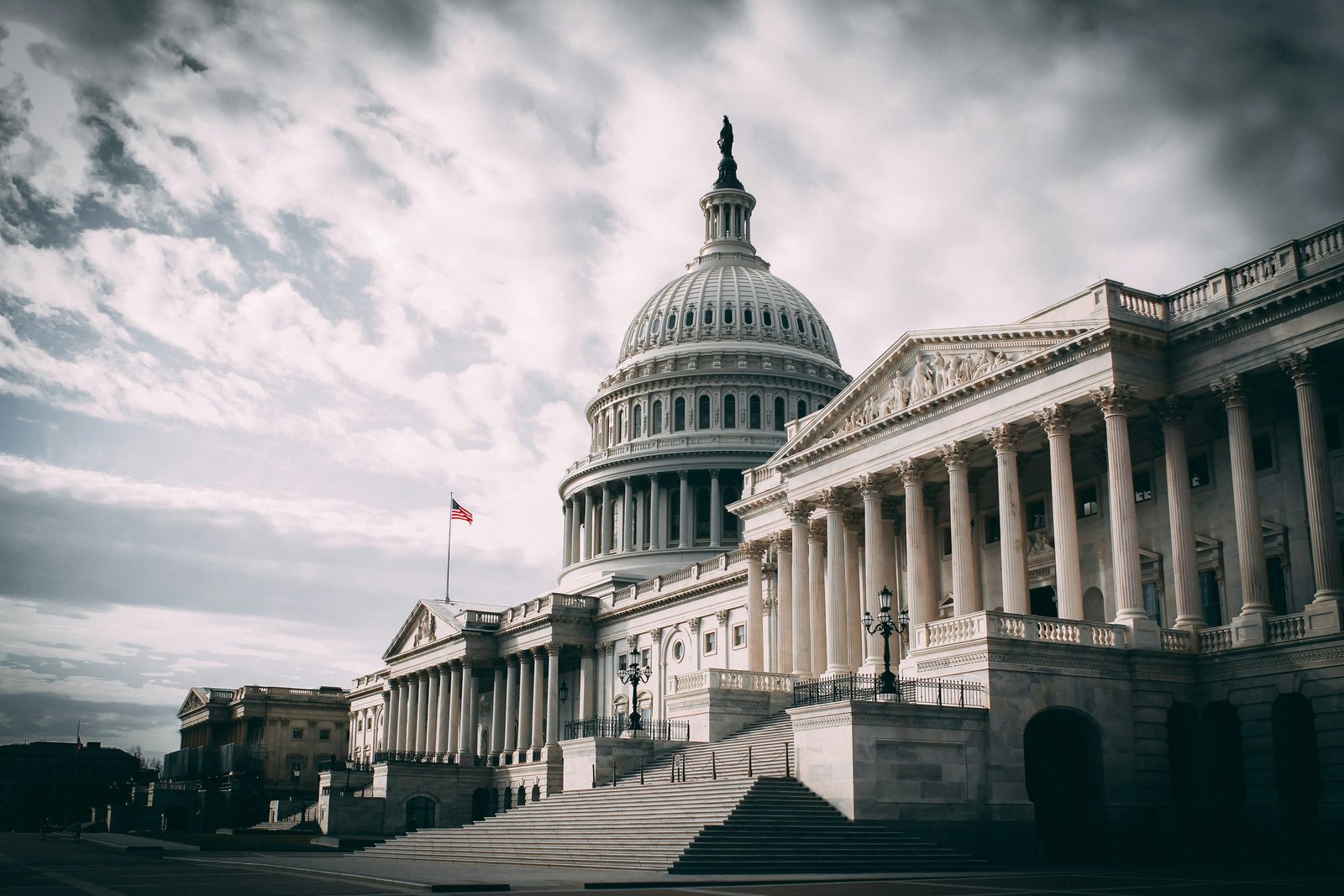
Members of the U.S. Congress are back on Capitol Hill following a five-week summer recess, as the Senate returns for a pre-midterm sprint before lawmakers head back home to campaign. Having temporarily put off major government shutdown threats until after the November elections, senators face a tight deadline to push through key bills. Near the top of the agenda is a major procedural vote on the Clarity Act, which aims to establish a clear federal framework for digital assets.
Lawmakers are also struggling to address new regulations for artificial intelligence, college athletics, and the reauthorization of key foreign surveillance programs.
Priority Bills Facing Lawmakers in the Pre-Midterm Sprint
With only a few short weeks before members leave Washington to focus on their reelection campaigns, several major pieces of legislation are on the line.
1. Cryptocurrency Regulation (The Clarity Act): GOP leaders unveiled updated text following months of bipartisan work, hoping to secure the 60 votes required to pass a regulatory framework for digital assets.
2. College Sports Legislation: The Protect College Sports Act seeks to regulate name, image, and likeness (NIL) rules for student-athletes. However, the bill faces strong pushback from advocacy groups and the Congressional Black Caucus over athlete representation.
3. National Security and AI Protections: Lawmakers are working to reauthorize Section 702 of the Foreign Intelligence Surveillance Act (FISA), while top leaders call for urgent action and White House summits to set ground rules for artificial intelligence safety.
House members are also meeting briefly before adjourning until after November, putting heavy focus on what the Senate can accomplish in this narrow legislative window.
My Opinion
Watching politicians race to pass complex laws right before an election is always frustrating. The main issue when the Senate returns for a pre-midterm sprint is that genuine policy discussions take a backseat to political posturing and campaign messaging.
Important topics like cryptocurrency standards, artificial intelligence safeguards, and college sports NIL rules affect millions of people and billions of dollars. Rushing these complicated subjects through backroom negotiations in just a few weeks leads to flawed laws with unintended consequences. For example, ignoring key stakeholders like student-athletes or forcing through surveillance rules without full debate shows how rushed the process really is.
Congress should focus on doing thorough, honest work throughout the entire year instead of pushing massive policy bills into a frantic, last-minute push right before voters hit the polls. Major national rules deserve careful oversight and steady debate, not hasty compromises designed to create quick campaign talking points.
Bottom Line
As the Senate returns for a pre-midterm sprint, time is running out for lawmakers to turn these proposed bills into actual law. Whether leaders can secure enough votes on crypto, college sports, and AI regulation will decide how much Congress actually achieves before turning its full attention to the midterms.