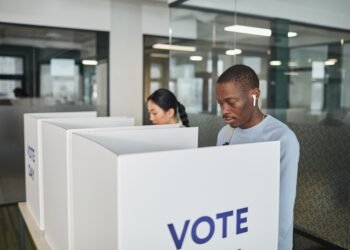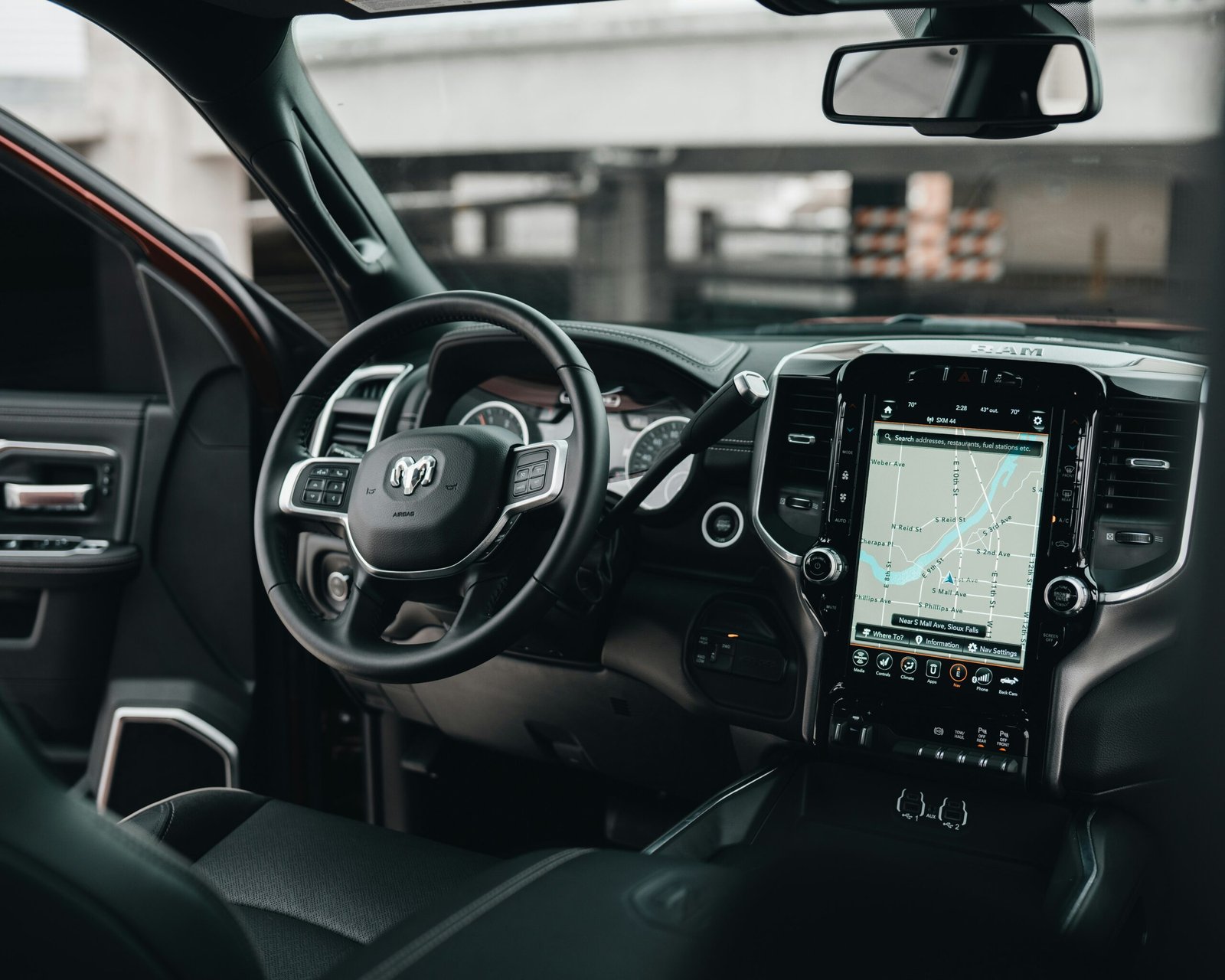

In a major blow to the expansion of autonomous transit on the East Coast, the Maryland General Assembly concluded its session without passing legislation to authorize fully driverless vehicles. Despite intense lobbying and a “safety-first” marketing blitz, the setback to Uber and Waymo means that for now, every ride-share in the state must still have a human behind the wheel.
The Failed Legislative Push
Waymo, which had already started manual testing in Baltimore and D.C. last December, was the primary advocate for two bills in the House and Senate.
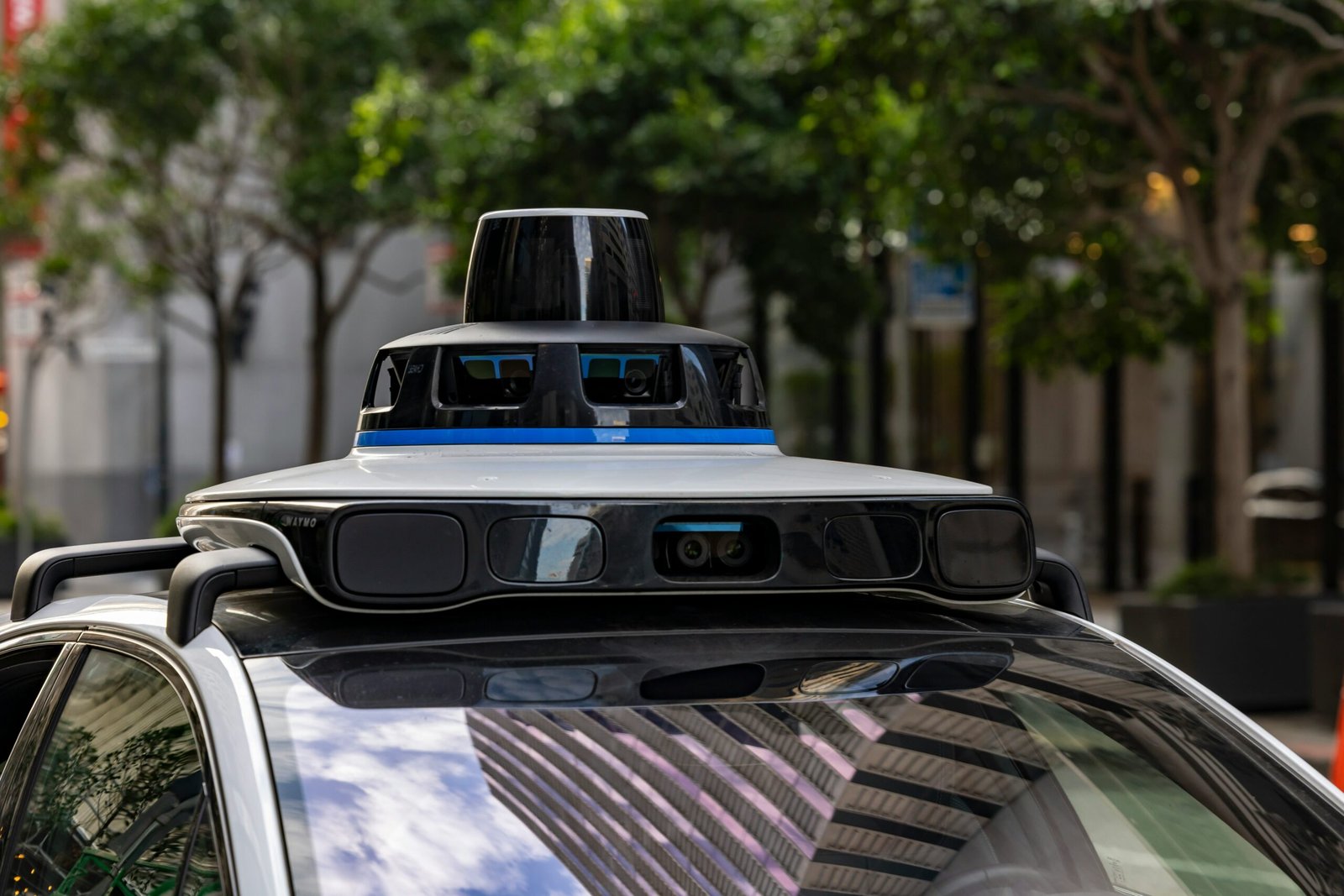
Waymo spokesperson Ethan Teicher argued that the technology provides a consistent, “private space” for passengers, claiming their AI is involved in 90% fewer serious injury crashes than humans. Waymo signaled that Maryland is now a risky place for infrastructure investment. Without “regulatory certainty,” the millions of dollars planned for Baltimore operations may be diverted to states with more robot-friendly laws.
The Pro-Tech Argument “SafeRoadsMD”
Supporters of the bills, including the group SafeRoadsMD, argued that humans are simply too distracted to be trusted. Advocates noted it is far easier to “tweak the engineering” of a computer than to stop a human from using a cell phone while driving. Pro-AV (Autonomous Vehicle) groups framed the legislative failure as a win for “the dangerous status quo” of human error.
The Public Resistance
The “brakes” were ultimately pumped because of two major concerns: safety fears and economic displacement. Many Baltimore residents expressed concern that driverless cars would eliminate the “side hustle” income millions depend on to survive the “rising cost of everything.” For many Marylanders, the idea of a vehicle “handling its own business” without a person to hold accountable remains a bridge too far.
What Happens Next?
While Waymo and its partners can still perform limited tests with special permits, the dream of a fully autonomous ride-hailing network in Maryland is dead until at least 2027. Tech companies now face a difficult choice: continue “manual” tests in a state that won’t let them go driverless, or pack up their sensors and head to more permissive markets.
Are Maryland lawmakers being visionary by protecting human jobs and taking safety slowly, or are they “Luddites” who are costing the state millions in investment and higher road safety?