
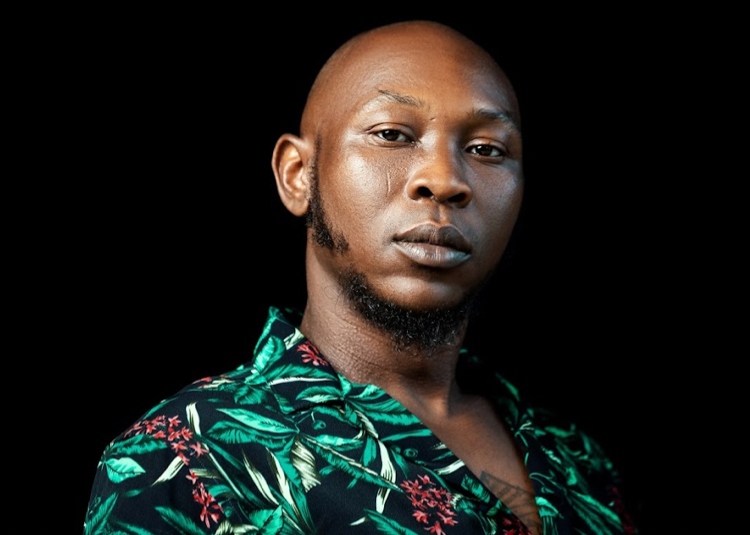
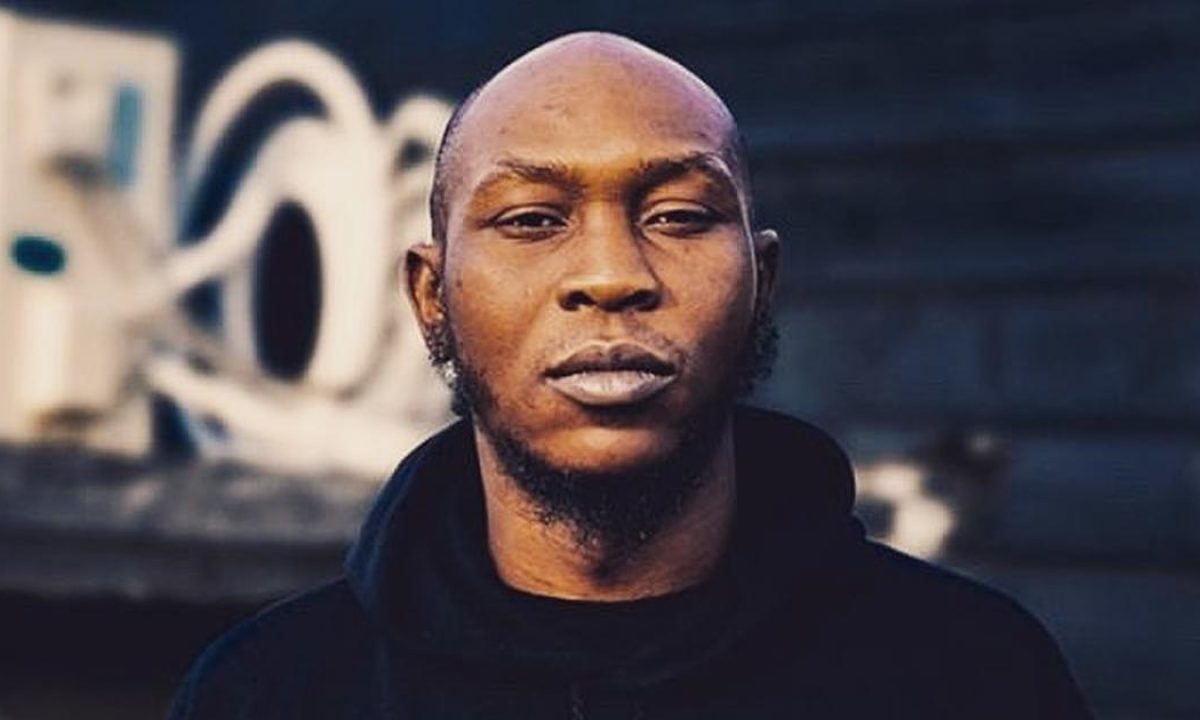
Afrobeat musician Seun Kuti has taken a swipe at members of Wizkid’s fanbase, popularly known as Wizkid FC, accusing them of showing disrespect to the legacy of his late father, Afrobeat pioneer Fela Aníkúlápó Kuti.
Seun made the remarks during an appearance on The Morayo Show, where he clarified that his criticism was not directed at Wizkid himself, but at some of the singer’s online supporters.
According to him, certain fans repeatedly tag him in posts that compare or demean his father’s legacy, an act he described as a calculated attempt to downplay Fela’s immense contributions to music and activism.
The Afrobeat star said such actions have become a source of deep frustration, stressing that Fela’s influence cannot be erased.
“During his (Fela) time, with everything said about my father, still they couldn’t bring this man’s glory down… I can sit here and confidently say Wizkid is the greatest artiste in the world,” he said.
“I can say Wizkid is the greatest of all time. It carries weight. Why must you (they) add more that Fela?”
Seun went on to compare how Nigeria treats its cultural legends with the respect accorded to icons in other countries.
“Look at the Jamaicans, they are human beings too, and they have created plenty of huge stars after Bob Marley. You would not hear anybody say they are the new Bob Marley and you would not hear anybody compare themselves to Bob Marley,” he said.
“Go to South Africa, America, they would not do it to their legends. But when it comes to Nigeria and Fela sha, our father cannot rest.”
In a separate live interaction with his fans, Seun highlighted the enduring value of his father’s legacy, revealing a recent financial reward linked to Fela’s name.
“I just collected $120,000 based on my Papa name…my Papa don die 29 years ago now. From the grave, o tun fun mi ni $120,000. How many of una father fit send una $120,000 from the grave,” he said in a mix of pidgin English and Yoruba.
Seun Kuti, who currently leads his father’s former band Egypt 80, continues to uphold the Afrobeat tradition, blending politically conscious lyrics with the genre’s signature rhythms while keeping Fela’s musical and activist spirit alive.