• Home
  • News
  • Government
  • Business & Finance
  • Entertainment
  • Sports
  • Tech
  • Health
  • About Federal Character
  • Advertise With Us
Federal Character
No Result
View All Result
Federal Character
  • Home
  • News
  • Government
  • Business & Finance
  • Entertainment
  • Sports
  • Tech
  • Health
  • About Federal Character
  • Advertise With Us
No Result
View All Result
Federal Character
No Result
View All Result
Home Health
Should We Be Worried? China Discovers New Fungus That’s Drug-Resistant

Should We Be Worried? China Discovers New Fungus That’s Drug-Resistant

Christabel EgbeamabyChristabel Egbeama
2 years ago
in Health
Reading Time: 3 mins read
A A
0
Facebook ShareWhatsapp ShareX Share

Fungal infections are becoming a major health problem around the world, and have been linked to human infection. This fungal infection can affect anything from the human skin to the inside organs. The fact that 22% of the world’s population has weaker immune systems, the increasing use of antibiotics over time, and climate change all contribute to the prevalence of this fungal infection.

Recently, researchers in China found a new fungus named “Rhodosporidiobolus fluvialis” (R. fluvialis) that can infect people. This new discovery shows that further research should be carried out within the field of mycology, which is the study of fungi, on the extent of harm this infection can cause and possible treatment. However, this article will bring you up to speed on all you need to know about this growing fungal condition.
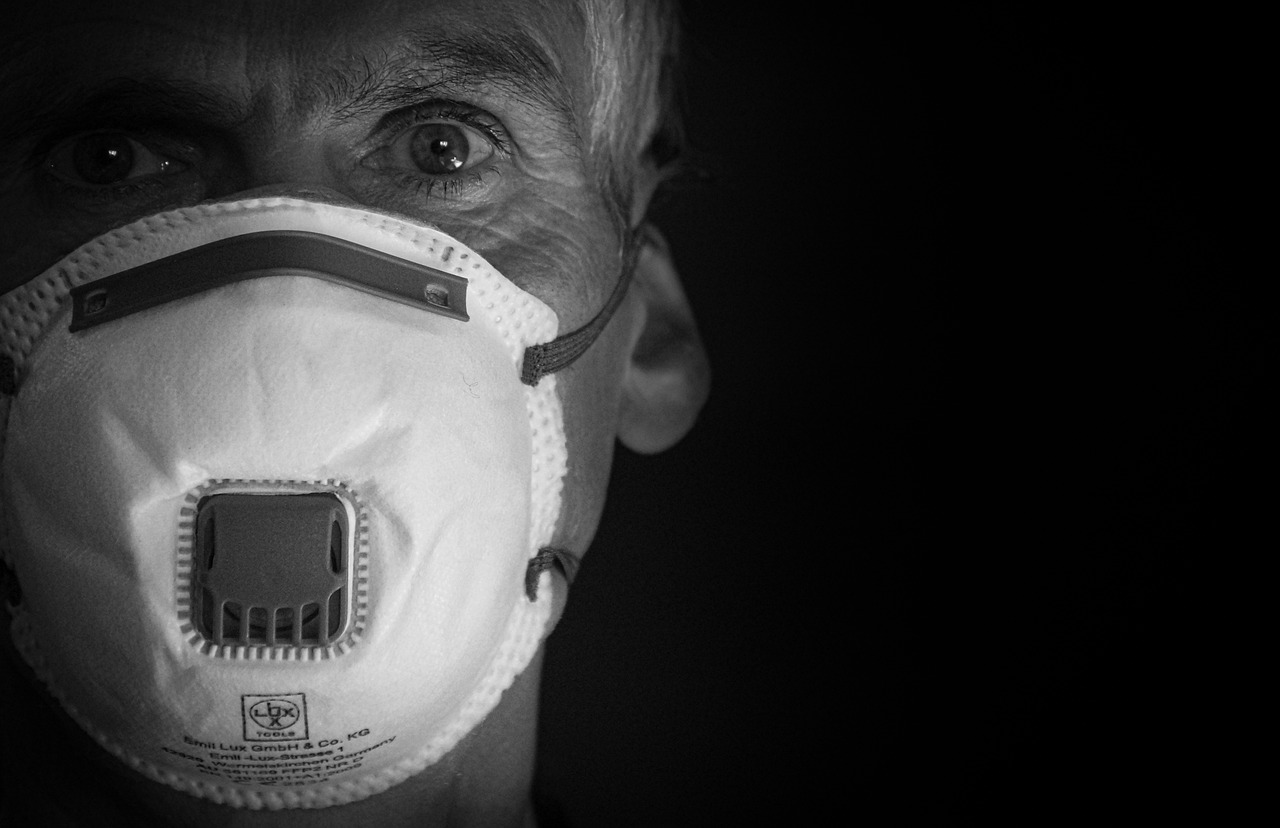
Photo by Rottonara

Table of Contents

Toggle
  • What is R. fluvialis?
  • Potential Threat of R. fluvialis
  • Why is R. fluvialis Concerning?
  • Bottom Line

What is R. fluvialis?

Rhodosporidiobolus fluviali (R. fluvialis) is a type of fungus recently found to cause infections in humans. It is classified as a yeast, which is a group of fungi. This group of fungi belongs to the Sporidiobolaceae family.

One important thing about “R. fluvialis” is that it can grow at the same temperature as the human body, which is 37°C. This means it can live and grow inside us, potentially causing infections. Not all fungi can do this, so this makes “R. fluvialis” especially concerning.

Potential Threat of R. fluvialis

When researchers first identified R. fluvialis, among the thousands of fungal strains, they discovered that R. fluvialis had never been documented to affect humans before. However, Rhodosporidiobolus fluvialis (R. fluvialis) was found in the blood of two different patients who were not related to each other at all. Both patients were very sick and were being treated in intensive care units (ICUs) for serious health problems.

One was a 61-year-old man in Nanjing who passed away in 2013, and the other was an 85-year-old woman in Tianjin who passed away in 2016.

Normally, fungi are not found in people’s blood. Blood is usually free from any germs like bacteria or fungi. When a fungus, like “Rhodosporidiobolus fluvialis” (R. fluvialis), is found in the blood, it means the infection is very serious and can spread throughout the body, causing major health problems. But the bigger problem is that R. fluvialis doesn’t respond to the main antifungal drugs, fluconazole and caspofungin, which are used to treat serious fungal infections. The researchers had to make further confirmation that this fungal infection had an effect on living creatures. Thus, the researchers injected this fungal infection into mice with very weak immune systems. Soon, the mice got sick which means that this fungus can indeed cause an infection.

Why is R. fluvialis Concerning?

The experiment didn’t end there. What’s even more worrying is that some of the fungi quickly changed into a more dangerous form. That’s because at a human body temperature of 37°C, the fungal infection mutated 21 times, compared to when it was at a low temperature. This means that an increase in temperature causes the infection to transform into something more dangerous.

Lastly, this infection was further tested with another antifungal drug called amphotericin B, since fluconazole and caspofungin weren’t effective. This testing was done at a temperature of 37°C, however, the fungus developed resistance to this drug much more quickly.

Bottom Line

Rhodosporidiobolus fluvialis (R. fluvialis) is a newly discovered fungus that can infect humans. It was detected in the blood of two seriously ill patients in China. This fungus is a major issue since it does not react to the most common medications used to treat serious fungal infections, such as fluconazole and caspofungin. It can also rapidly become more deadly and resistant to other medications, particularly at human body temperatures.

Tags: chinaDrug-Resistantfederal characterFungushealthShould We Be Worried? China Discovers New Fungus That's Drug-Resistant
Share234SendTweet146
Christabel Egbeama

Christabel Egbeama

Christabel Egbeama is a health writer and aspiring consultant engineer who recently completed her bachelor's degree in civil engineering. Her passion for safety in the construction industry led her to delve into public health writing. Having undergone training in health, safety, and environment, Christabel has established a foundation rich in comprehending the broader spectrum of health and its benefits for individuals across various ages and professions. She now produces compelling holistic health articles aimed at guiding individuals towards informed decisions for a healthier tomorrow, encouraging lifestyle modifications.

Related Stories

DRC Ebola Outbreak Surges to Second-Largest on Record

DRC Ebola Outbreak Surges to Second-Largest on Record

byEriki Joan Ugunushe
0

The current DRC Ebola outbreak surges past historical records to become the second-largest outbreak ever documented, trailing only the West Africa epidemic of 2014–2016. According to official data...

US Private Equity Firm Takes Control of NHS Patient Records in £300M Deal

US Private Equity Firm Takes Control of NHS Patient Records in £300M Deal

bySomto Nwanolue
0

A US private equity firm has taken control of NHS patient records in a deal that experts say should "ring alarm bells" amid concerns that sensitive health data...

Alzheimer’s Breakthrough: Scientists Restore 2 Hours of Sleep Without Clearing Plaques

Alzheimer’s Breakthrough: Scientists Restore 2 Hours of Sleep Without Clearing Plaques

bySomto Nwanolue
0

University of Kentucky researchers have made a breakthrough in Alzheimer's research, restoring more than two hours of sleep per day in mice without removing the amyloid plaques long...

​FDA Investigating New Cyclospora Outbreak Linked to Produce

​FDA Investigating New Cyclospora Outbreak Linked to Produce

byEriki Joan Ugunushe
0

​The agency confirmed that the FDA is investigating a new cyclospora outbreak and is actively trying to track down a fresh source of contamination within the national food...

Next Post
Laser vs. Microneedling for Scars: Which Treatment is Right for You?

Laser vs. Microneedling for Scars: Which Treatment is Right for You?

Leave a Reply Cancel reply

Your email address will not be published. Required fields are marked *

Federal Character

We bring to you precise and factual news.
Towson, Baltimore, Maryland, USA

Recent Posts

  • DRC Ebola Outbreak Surges to Second-Largest on Record
  • Max Miller Hit with Restraining Order Request by Ex-Wife
  • ​Trump Replaces Freedom Symbols With His Portrait on Passport

Categories

  • Beauty
  • Business & Finance
  • Entertainment
  • Fashion & Lifestyle
  • Food & Nutrition
  • Government
  • Health
  • News
  • Politics
  • Sports
  • Tech

Weekly Newsletter

  • Home
  • About Federal Character
  • Advertise With Us
  • Cookie Policy
  • Sitemap

Copyright © FederalCharacter.com 2026 .

Welcome Back!

Login to your account below

Forgotten Password?

Retrieve your password

Please enter your username or email address to reset your password.

Log In
No Result
View All Result
  • Home
  • News
  • Government
  • Business & Finance
  • Entertainment
  • Sports
  • Tech
  • Health
  • About Federal Character
  • Advertise With Us

Copyright © FederalCharacter.com 2026 .