
The United States and Iran have reportedly reached an agreement to halt hostilities and reopen the Strait of Hormuz, according to statements from President Donald Trump and Iranian officials.
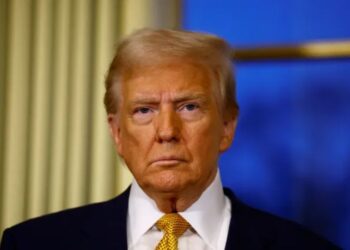
“The Deal with the Islamic Republic of Iran is now complete, Congratulations to all! I hereby fully authorize the toll free opening of the Strait of Hormuz, and, simultaneously herewith, authorize the immediate removal of the United States Naval blockade. Ships of the World, start your engines. Let the oil flow!”, Trump said in a post on Truth Social.
Pakistani Prime Minister Shehbaz Sharif is also said to have made a comparable announcement shortly before President Donald Trump’s remarks.
“Following intensive talks, we are pleased to announce that the Peace Deal between the United States of America and Islamic Republic of Iran has been REACHED,” Sharif said on X. “Both sides have declared the immediate and permanent termination of military operations on all fronts, including in Lebanon.”
Sharif said the agreement signing is scheduled for Friday in Switzerland, adding that interim “pre-implementation discussions” would also be held ahead of the ceremony. He noted that the specifics of those discussions have not yet been disclosed.
On Sunday, the Iranian Secretariat of the Supreme National Security Council stated via the semi-official Tasnim news agency that, under the agreement, all fighting between the parties would end “immediately and permanently from tonight,” with the naval blockade also set to be lifted.
According to the council, the United States would need to meet its obligations under the memorandum before talks on a final deal could begin.
The White House, however, had not issued an immediate response to requests for comment.
It remains uncertain when the strait will be completely reopened.
In a later post on Truth Social on Sunday, Trump stated that the channel would be reopened “upon the signing of the Deal on Friday, for purposes of mine removal.”
NBC News reported, citing sources, that the U.S. military has not independently verified claims that Iran deployed mines in the Strait of Hormuz.
Uncertainty also remains over Israel’s next steps following the deal, particularly after it carried out a strike on Lebanon on Sunday that was condemned by both Iran and Trump.
Israeli Defense Minister Israel Katz stated on Monday that he and Prime Minister Benjamin Netanyahu would pursue a “clear policy” under which Israeli forces would continue to maintain positions in the “security zones” established in Lebanon, Gaza, and Syria.
He cautioned that any Iranian attack on Israel in response to operations in Lebanon would be met with retaliation.
The deal is intended to bring an end to hostilities between the United States and Israel and restore access to the Strait of Hormuz. Reports indicate the conflict began on February 28 after the assassination of Supreme Leader Ayatollah Ali Khamenei, followed by a wave of U.S. and Israeli strikes across Iran.
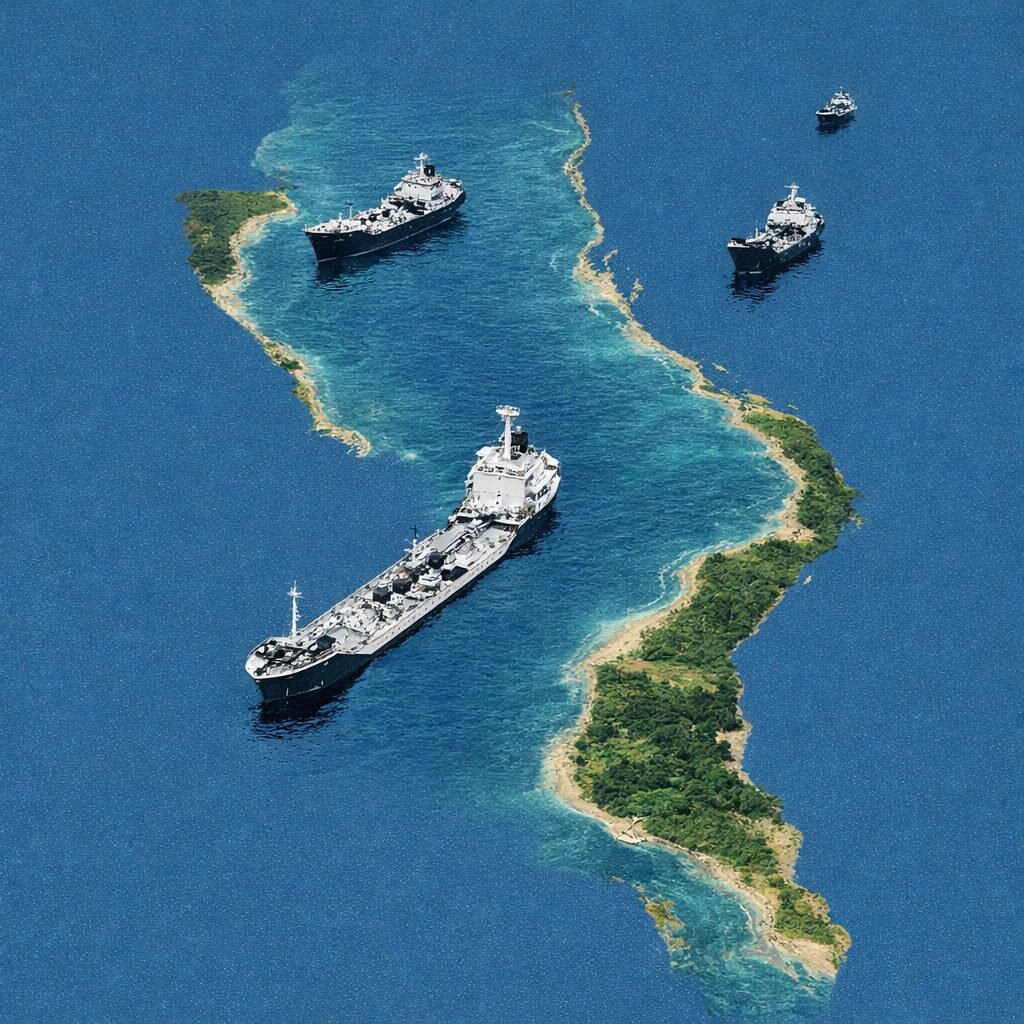
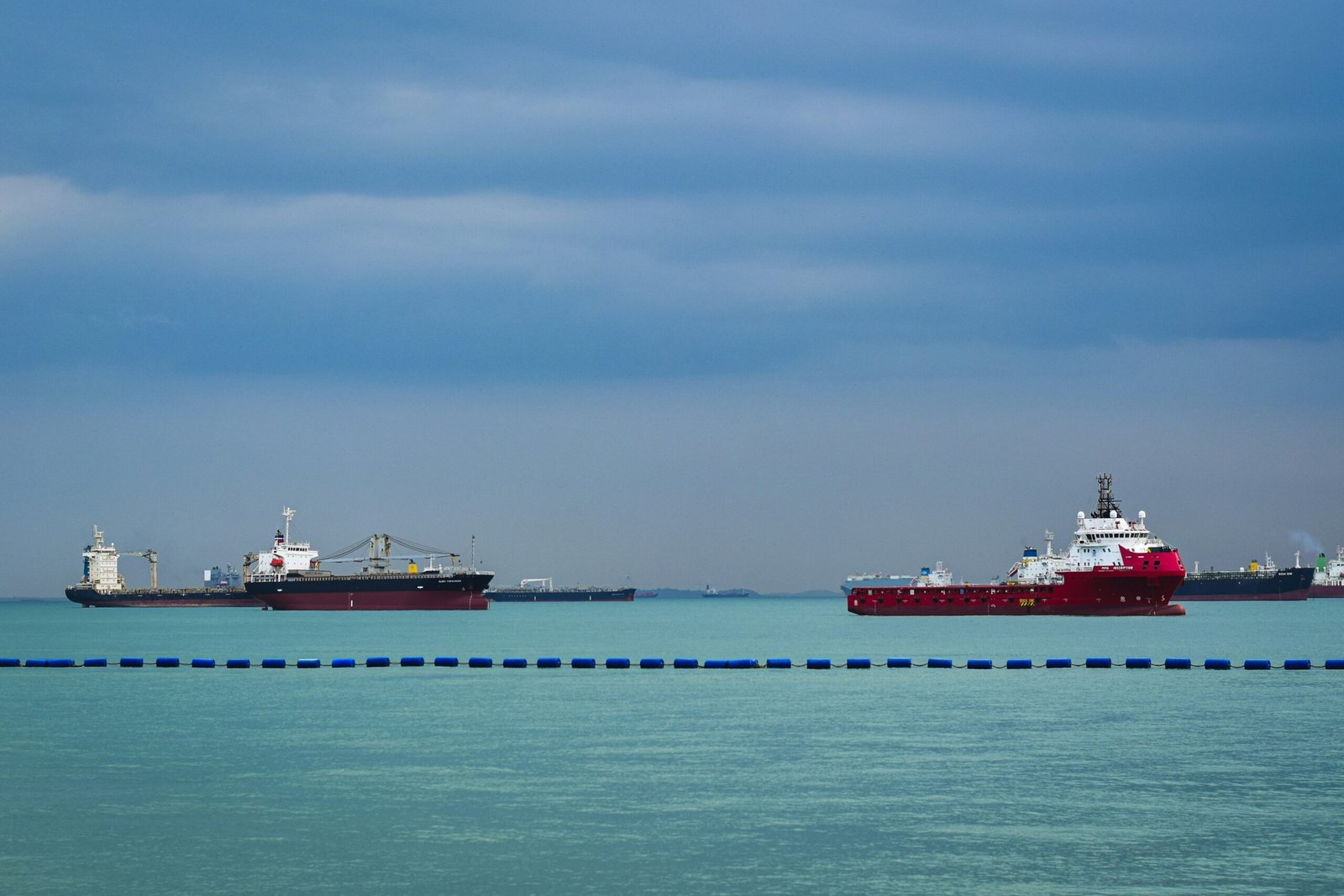
In April, a ceasefire was agreed to allow space for negotiations, though both sides have still carried out occasional strikes amid ongoing disputes over the Strait of Hormuz — a crucial shipping corridor that once handled about 20% of global oil trade before the war.
U.S. crude oil prices slid by over 4.5% to $80 per barrel, marking their weakest level since early March, shortly after trading opened on Sunday evening in response to the announcement.
Brent crude recorded a decline of about 4%, slipping to $83 per barrel and reaching its lowest level since early March. Nonetheless, prices are still up more than 20% since the conflict began and over 40% higher compared to the start of the year. In the preceding week, oil had already fallen by over 6% as anticipation of a possible deal continued to build.