Healthcare costs and federal funding cuts are emerging as major issues in Alaska’s upcoming Senate race, with Democrats intensifying efforts to unseat Republican Senator Dan Sullivan.
The political battle follows the impact of healthcare reductions tied to the “One Big Beautiful Bill Act” and the expiration of enhanced ObamaCare subsidies, developments critics say have left many Alaskans struggling with rising insurance costs.
A recent Democratic advertising campaign accused Sullivan of supporting policies that increased health insurance premiums in Alaska by more than $1,800 on average. The criticism focused on his previous votes against Democratic-backed proposals that sought to extend Affordable Care Act tax subsidies during government shutdown negotiations.
Former Alaska congresswoman Mary Peltola also made healthcare a central issue in her Senate campaign launch earlier this year. She criticised Sullivan’s support for the Republican-backed legislation, referencing projections that millions of Americans could lose healthcare coverage.
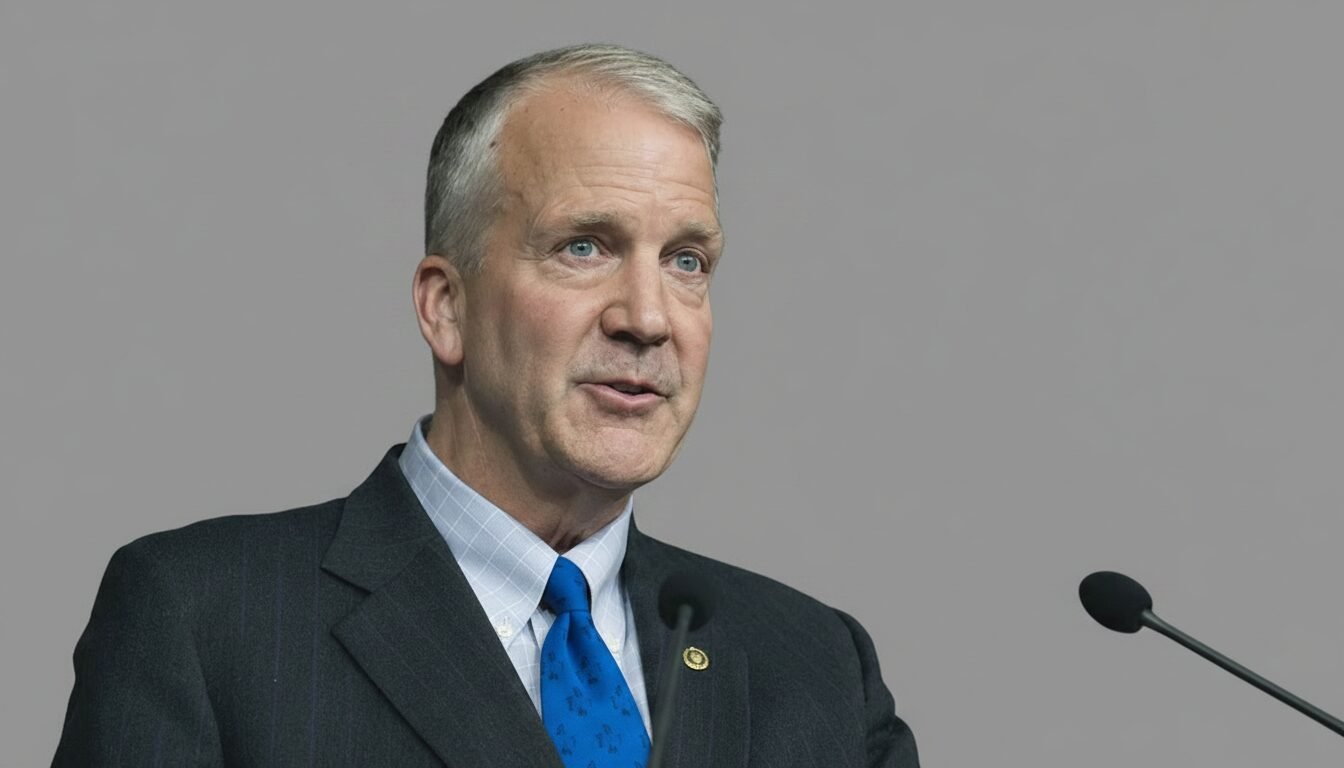
Despite the criticism, Sullivan has recently broken ranks with Republicans on several healthcare-related votes. In recent weeks, he sided with Senate Democrats on amendments aimed at lowering healthcare costs and addressing insurance companies accused of delaying or denying medical care.
He also joined a small group of Republican senators who voted in support of extending ObamaCare tax credits after previously opposing similar efforts, although the proposal ultimately failed to secure enough votes to pass.
Political strategist John-Henry Heckendorn argued that Sullivan’s recent actions may not be enough to repair the damage already done.
“Given how many times he has voted for legislation or amendments that would either reduce healthcare subsidies for Alaskans or otherwise increase healthcare costs, the damage has largely been done,” Heckendorn said.
He further questioned the senator’s consistency, saying, “It’s one thing to vote on your principles. It’s another thing to follow the party line until you feel like you’re in danger and then try to cover your tracks.”
According to Heckendorn, healthcare remains one of the most sensitive issues among Alaska voters because of the state’s unusually high medical costs.
“We have some of the highest healthcare costs in the country, and our marketplace has, I believe, some of the most expensive premiums,” he said. “There are some studies that show that healthcare costs for Alaskans have increased by over $1,000 in the last year.”
Reports indicate that thousands of Alaskans have already dropped out of the Affordable Care Act marketplace since subsidy programs expired, with analysts warning that the situation could worsen as premiums continue to rise.
Sara Collins of the Commonwealth Fund said Alaska risks losing substantial federal healthcare funding because of Medicaid cuts and the expiration of premium tax credits.
“Alaska is facing a loss of a lot of federal funding because of the Medicaid cuts,” Collins explained. “It also has trickle-down effects for the broader economy.”
She added that federal healthcare support plays a critical role in maintaining the state’s overall health system.
Responding to the criticism, Sullivan’s office defended his record, insisting the senator has consistently worked in Alaska’s interest.
“One of Sen. Sullivan’s priorities is getting healthcare dollars out of the hands of insurance companies and into the hands of the people,” his office said.
The statement also noted that Sullivan “repeatedly voted to extend the ACA enhanced subsidies to protect everyday Alaskans from the cliff Democrats imposed when they allowed the subsidies to expire in 2025.”
Although many election analysts still consider Sullivan the favourite ahead of November’s election, recent polling suggests the race could become increasingly competitive, with Peltola reportedly gaining momentum among voters.
Experts say Alaska’s unique geography and sparse population continue to create additional healthcare challenges, making access to affordable medical services more difficult than in many other states.
Scott Leitz of NORC at the University of Chicago explained that Alaska’s size and scattered population make healthcare delivery especially complicated.
“The biggest defining factor in understanding the economics of healthcare there is it’s a really, really big state, but it’s also highly dispersed in terms of its population,” Leitz said.
He added that the state’s healthcare market remains heavily concentrated, contributing to higher costs and limited access to care for many residents.
As the campaign intensifies ahead of Election Day, healthcare is expected to remain one of the defining issues shaping Alaska’s Senate contest.