The Supreme Court is allowing President Donald Trump to press on with his White House ballroom project — over a strident objection from Chief Justice John Roberts and the court’s liberal wing.
The justices’ 5-4 ruling maintains the high court’s hold on a federal appeals court ruling that called for a halt to the project after concluding it lacked approval from Congress.
In an unsigned order Monday, the Supreme Court’s majority said a historic preservation group that sued over the project appeared to lack legal standing, while national security concerns favored allowing the construction to continue. The majority did not opine on whether the project is legal.
Writing for the dissenters, Roberts said the project is “likely unlawful.”
“The White House is an iconic American building whose symbolism and history are wrapped up in its architecture,” Roberts wrote, adding that it is critical to “ensure that those responsible follow the rules in deciding what to tear down and what to build up at the People’s House.”
The Project
On Trump’s orders, construction crews abruptly demolished the White House’s East Wing last October. He later sought approval from review panels to build a ballroom on the site, although Congress never appropriated funds for the project or signed off on it. Trump has said the ballroom and related facilities will cost $400 million, with private donors footing that bill.
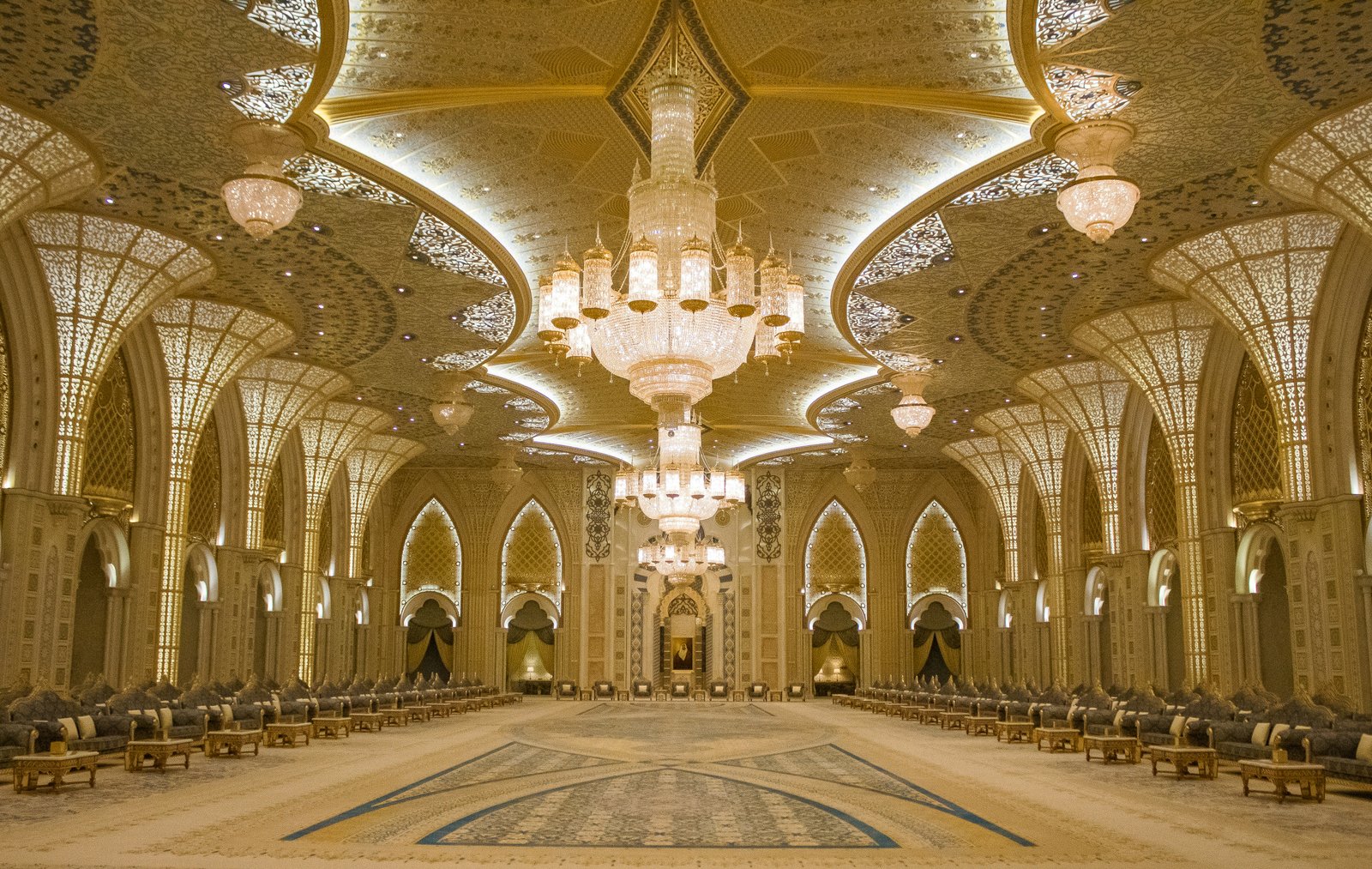
The president initially touted the ballroom project primarily as an effort to create a larger, permanent space at the White House for ceremonial events like state dinners. In recent weeks, though, he increasingly billed the construction as a national security imperative due to features to be included in the redesigned East Wing.
The Legal Battle
In response to a lawsuit filed by the National Trust for Historic Preservation, a district court judge blocked above-ground construction at the site, but that ruling never went into effect. A D.C. Circuit Court of Appeals panel ruled, 2-1, earlier this month that Trump embarked on the project in violation of laws that require Congressional approval for construction in Washington.
The appeals court paused its order to allow the Trump administration time to seek relief from the Supreme Court. As that reprieve was set to expire on Aug. 21, Roberts stepped in with an emergency order allowing the project to continue while the full court weighed the administration’s request.
The Majority’s Reasoning
The majority said the National Trust was unlikely to be able to press the suit based solely on historian Alison Hoagland’s “offense, disagreement, or distaste” at the project. The ruling was in keeping with a general trend at the conservative high court to more strictly enforce standing requirements.
The majority also noted that “perhaps nearly any government action or project offends someone’s sensibilities.”
Roberts’ Dissent
Roberts said his conservative colleagues were twisting prior precedents in which environmental challenges were allowed to proceed over largely or entirely aesthetic claims. “The distinction … does not hold up,” the chief justice said.
Brent Leggs, President and CEO of the National Trust for Historic Preservation, expressed disappointment but took comfort in the chief justice’s dissent. “We are pleased with Chief Justice Roberts’ strong dissent,” Leggs said, “which reiterated what we have maintained from the start of our case — that construction of the White House ballroom is unlawful.”
The Bottom Line
The Supreme Court has allowed President Trump’s White House ballroom project to proceed in a 5-4 ruling, with Chief Justice John Roberts and the liberal justices dissenting. Roberts wrote that the project is “likely unlawful.” The majority said the plaintiffs lacked standing and cited national security concerns. The project involves demolishing the East Wing and building a $400 million ballroom funded by private donors, despite lacking congressional approval.