The White House secured a legal victory Tuesday afternoon after the Supreme Court handed Trump a win in the immigration ruling regarding the federal government’s authority over legal immigrants. In a 6-3 decision split along ideological lines, the nation’s highest court ruled that border officials have wide-reaching power to detain and deport green card holders who are accused of crimes, even before they are formally convicted in a court of law.
The landmark ruling expands the executive branch’s authority to police the nation’s borders and marks a big victory for the administration’s aggressive immigration clampdown.
The Fight Over “Immigration Parole”
The case centers around Muk Choi Lau, a lawful permanent resident who has held a green card for years. After returning to the United States from a short trip to China in 2012, border security officers intercepted Lau because he had been accused of a clothing counterfeiting scheme in New Jersey.
Instead of letting him enter normally, officers placed Lau on “immigration parole,” a temporary, restricted status usually reserved for foreign nationals who do not have legal permission to be in the country. After Lau later pleaded guilty to the counterfeiting charge, the Department of Homeland Security used that parole status to fast-track his deportation proceedings without giving him the standard legal hearings available to permanent residents. Lau sued, arguing that border agents overstepped their constitutional bounds by stripping him of his green card protections based on mere suspicion.
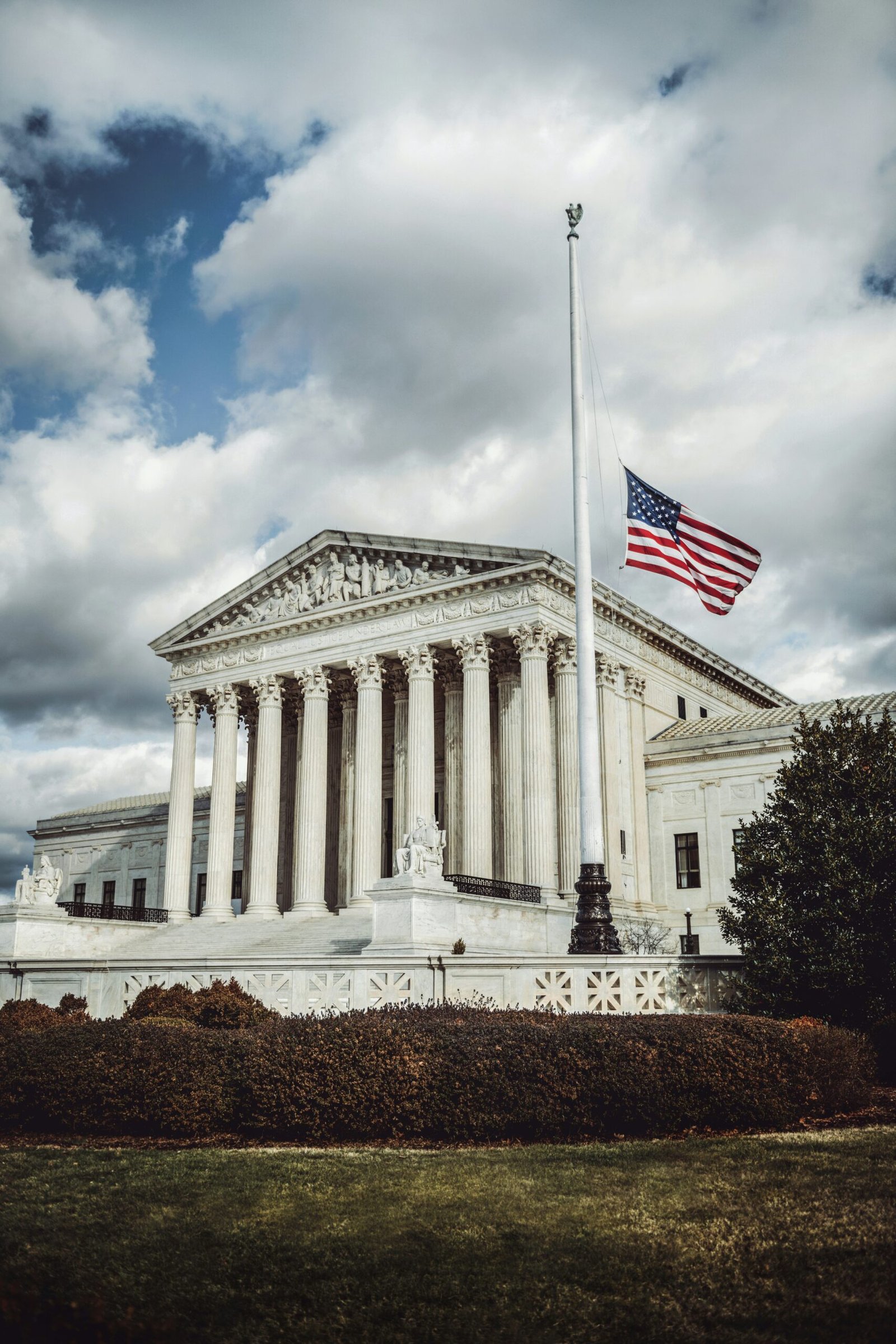
Writing for the conservative majority, Justice Clarence Thomas rejected Lau’s argument, stating that border officers do not carry the burden of proving a crime by clear and convincing evidence before putting a returning traveler on parole.
A Devastating “Blank Check” for Deportation
The court’s three liberal justices strongly dissented from the majority’s view. Leading the opposition, Justice Ketanji Brown Jackson wrote a scathing opinion warning about the severe real-world consequences of the decision. Justice Jackson argued that forcing legal permanent residents onto parole effectively strips them of their constitutional rights before they have ever been found guilty by a jury. The dissent warned that the ruling hands the federal government a “massive blank check” to target and harass millions of lawful immigrants who live and work under green cards. By lowering the legal standards required for border agents to act, the ruling significantly removes judicial oversight, leaving individuals vulnerable to bureaucratic abuse.
The ruling is particularly significant because it arrives just as the high court prepares to decide an array of even more radical changes to the legal system, including the administration’s ongoing efforts to completely eliminate birthright citizenship and cancel temporary legal protections for refugees.
My Opinion
This decision is an absolute travesty that undermines the entire concept of lawful permanent residency. A green card is supposed to be a guarantee that you are a permanent, recognized member of American society with clear constitutional rights, not a temporary pass that can be ripped away by a border guard on a whim.
Allowing the government to punish a legal resident based on unproven suspicion completely reverses the foundational legal principle of “innocent until proven guilty.” If a green card holder commits a crime on American soil, they should be tried, convicted, and sentenced through the standard criminal justice system like anyone else. They should not be ambushed at an airport and thrown into a secondary, lawless immigration trap.
Justice Jackson is entirely right to call this a blank check. By letting the executive branch rewrite the rules for millions of legal immigrants, the Supreme Court has signaled that no one’s legal status is truly safe if the current administration decides to target them. It turns the American immigration system into an unpredictable lottery where a single accusation can completely destroy a family’s life.
What Happens Next?
With the high court’s blessing now officially active, federal border agents nationwide have immediate permission to use this expansive parole power at all international airports and border checkpoints.
As the Supreme Court has handed Trump victory, legal advocacy groups are urgently advising green card holders with any pending legal issues or past citations to completely avoid international travel. Meanwhile, conservative policymakers are already celebrating the decision as a green light to push forward with even harsher border enforcement policies in the coming months.