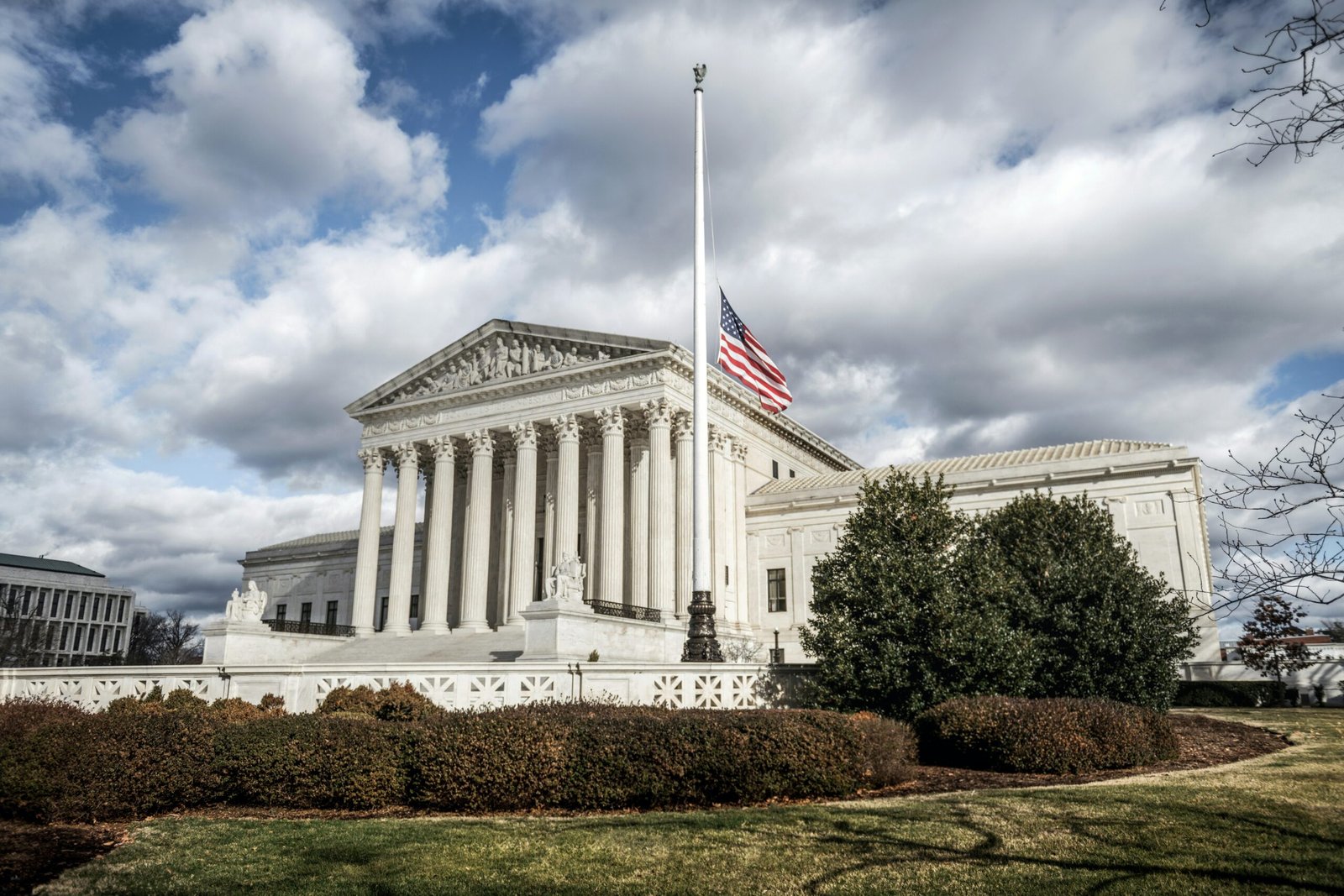

The Supreme Court limits the reach of the Voting Rights Act by tossing out a long-standing challenge to Louisiana’s congressional maps. While the ruling technically throws out a gerrymandered map, the real story is in the fine print: the Court has made it significantly harder for anyone to prove racial discrimination in the future. For decades, the Voting Rights Act was the gold standard for protecting minority voters from being silenced by biased district lines. Now, that protection is being stripped back.
A New Era of Unchecked Gerrymandering
By choosing to limit the reach of the Voting Rights Act, the conservative majority has handed a massive advantage to whichever party holds the pen during redistricting. The national tug-of-war over House seats has always been ugly, but now the “referees” are essentially removing the rules that prevented racial bias from being used as a political weapon.
Plaintiffs who want to fight for fair representation now face a mountain of new legal hurdles. The core understanding of the law has been shifted, and for the upcoming midterm elections, the result is clear: those in power have more freedom than ever to draw lines that ensure they stay there.
Trump’s Deportation Push Gains Momentum
The voting rights ruling wasn’t the only major news to come out of the Court this Wednesday. The justices also appeared ready to back President Donald Trump in a separate, high-stakes battle over immigration. Specifically, the Court seems poised to end Temporary Protected Status (TPS) for millions of migrants.
For years, people from countries ravaged by war and natural disasters have lived and worked legally in the U.S. under this protection. However, based on the tone of the oral arguments, the conservative bench looks ready to greenlight Trump’s plan to end those protections and move forward with large-scale deportations.
Final Thoughts: A Hard Right Turn
The Voting Rights Act is no longer the shield it once was, and for millions of people, from voters in Louisiana to migrants seeking safety, the path forward just got a lot steeper.
Is this a necessary correction of the law, or a deliberate attempt to silence specific voices? The impact on the midterm elections will be the first real test of this new legal reality.