

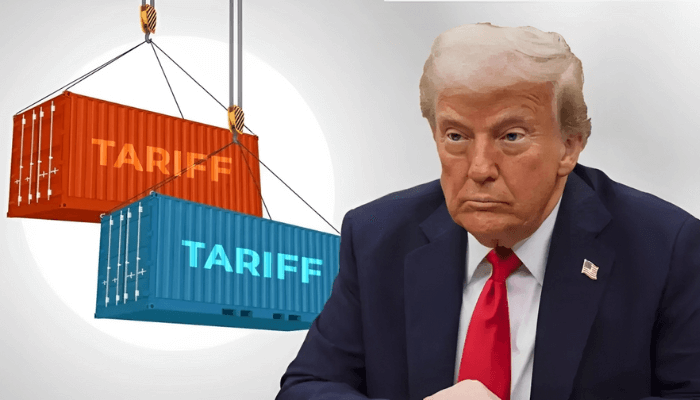
The Supreme Court of the United States is set to make a major decision next week, and all eyes are on the legality of President Donald Trump’s global tariffs. These tariffs, which have affected trade around the world, could see their future confirmed or overturned as the justices meet on January 20. The court has not said which cases will be released, leaving businesses and governments in suspense.
The Trump tariffs have been a point of controversy since they were first introduced, raising questions about presidential authority and the limits of U.S. trade policy. The coming decision could reshape global commerce and send a strong signal about how far a president can go without Congress’s approval.
Why The Tariffs Matter to The Economy
Trump’s tariffs cover a wide range of imports and have already caused shifts in supply chains. Companies exporting to the U.S. have faced higher costs, while American businesses that rely on foreign goods have also felt the pinch. The Supreme Court ruling will determine whether these tariffs stand, which could affect jobs, prices, and trade relations with other nations.

Experts say that if the court upholds Trump’s authority to impose such tariffs, future presidents may feel emboldened to take similar measures. On the other hand, a ruling against the tariffs could limit presidential powers and restore some predictability to international trade.
Legal Battles Behind The Decision
The Trump administration is appealing lower court decisions that questioned whether the president had overstepped his authority under a 1977 law originally meant for national emergencies. During hearings in November, both conservative and liberal justices expressed doubts about the legality of using that law for broad economic measures.
Many Persons believe the ruling will hinge on interpretations of the Constitution and the separation of powers. The decision is expected to be closely read not just by lawyers, but by business leaders and foreign governments.
Potential Global Impact
A Supreme Court decision either way will ripple far beyond the United States. Countries affected by the tariffs, like China, Canada, and members of the European Union, are monitoring the case closely. If the tariffs are upheld, global markets could see more tension, and the U.S. could leverage trade more aggressively. If struck down, it may reassure global investors and restore confidence in existing trade agreements.
The outcome will likely influence not only domestic politics but also international relations, as governments and companies adjust to the ruling and prepare for the next chapter in global commerce.