
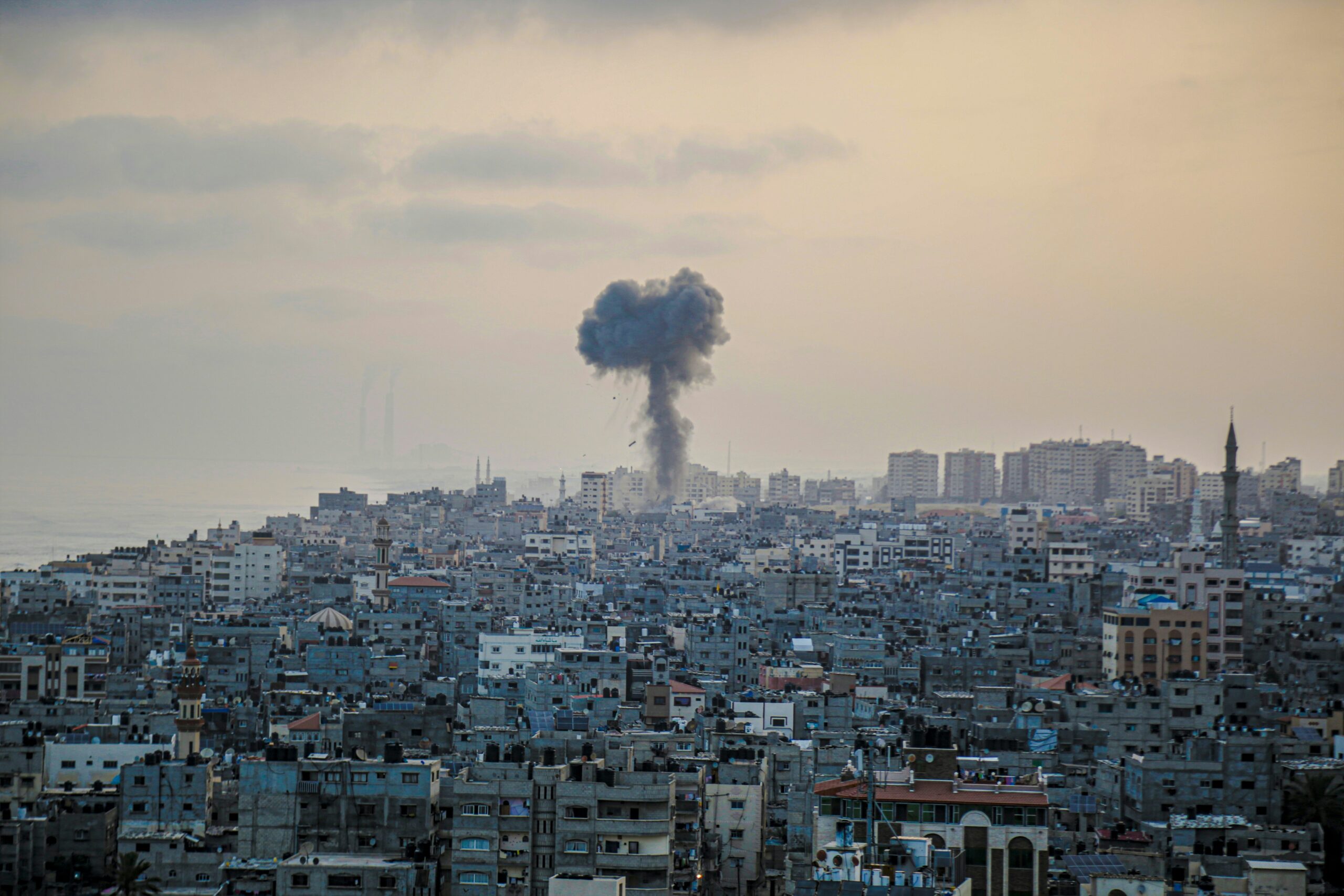
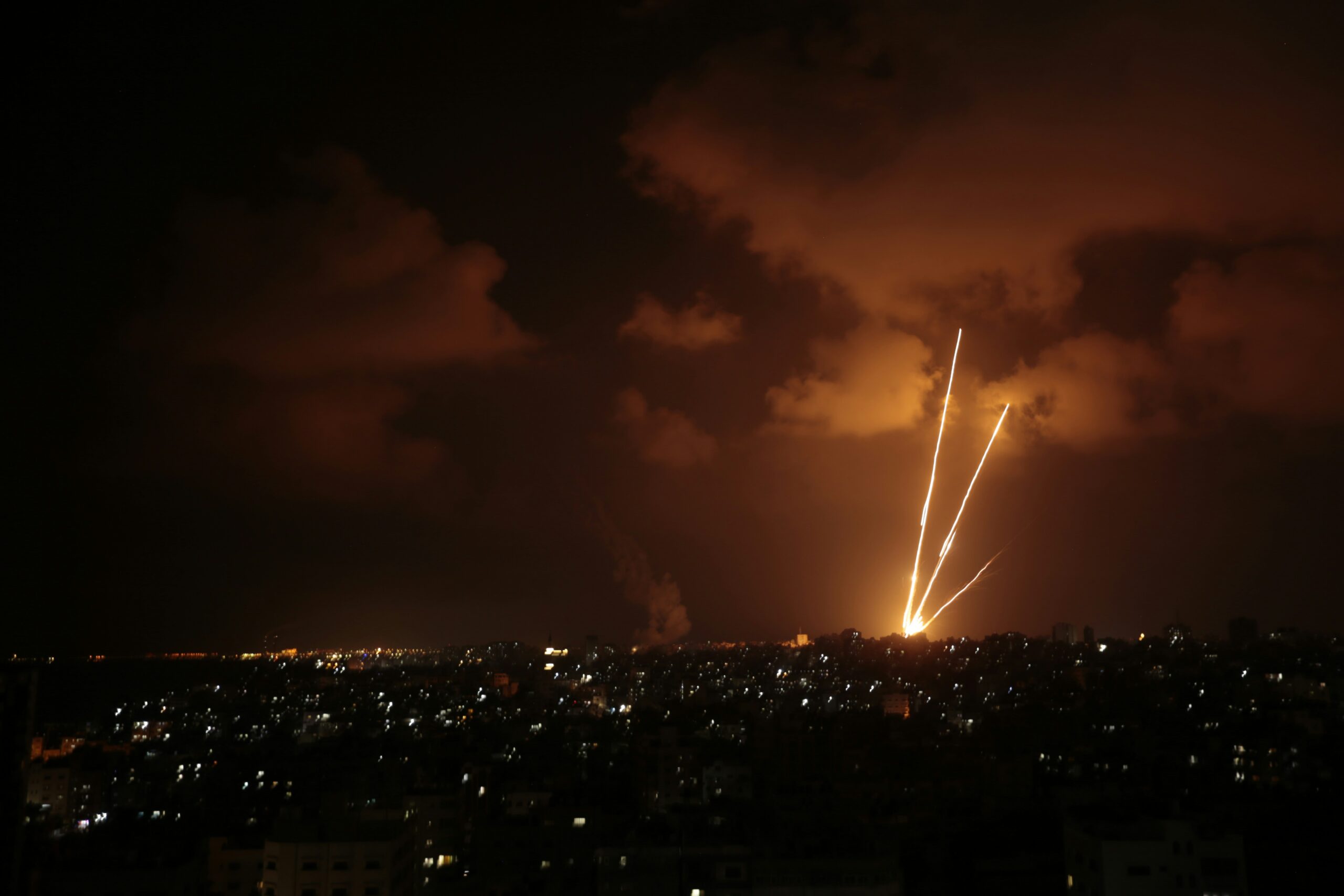
The U.S.-Israeli campaign against Iran entered its sixth day Thursday with what residents described as the most intensive bombing yet, as explosions rocked northern Tehran and the government abruptly postponed funeral plans for the slain supreme leader — a delay that has thrown succession plans into turmoil.
“Today is worse than yesterday. They are striking northern Tehran. We have nowhere to go. It is like a war zone. Help us,” said Mohammadreza, 36, speaking by phone from Tehran with a shaky voice as explosions rang out in the background.
Israel described the strikes as its latest wave targeting Iranian government infrastructure. The intensity has escalated daily since Saturday’s opening assault, which killed Supreme Leader Ayatollah Ali Khamenei along with a swath of senior leadership.
Funeral Postponed, Succession Delayed
The body of Khamenei, killed in the first hours of the campaign, was due to lie in state at a Tehran prayer hall beginning Wednesday evening, launching three days of public mourning expected to draw hundreds of thousands to the streets.
Hours before it was set to begin, authorities abruptly and indefinitely postponed the memorial.
Iranian officials gave no reason, but a source told Reuters the delay was motivated in part by fear of assassination — that mourners gathering in mass processions would be vulnerable while Israeli and U.S. warplanes remain overhead.
The postponement carries profound political implications. Shi’ite memorial ceremonies for martyred leaders are traditionally moments of mass public passion. Announcing Khamenei’s successor during the mourning period would have allowed his heir to take power while his father’s followers filled the streets, rallying support and making opposition difficult.
Iranian officials had said in the hours before the delay that they were close to naming a successor, with the leading candidate being Khamenei’s son Mojtaba — a powerful hardliner whose selection would be a strong gesture of defiance.
Israel has already issued a warning: any replacement who continues hostile policies will be an immediate target for elimination.
The Succession Question
Mojtaba Khamenei, 56, is a mid-ranking cleric with close ties to the Revolutionary Guards. He has never held formal office but has been described as the “gatekeeper” to his father, controlling access and managing key files.
If chosen, he would inherit a nation at war, a military decimated by six days of strikes, and an explicit threat from Israel that he would be killed. But he would also embody continuity — a message to the world that the Islamic Republic will not bend.
Iranians opposed to the government have made their feelings clear, posting online videos celebrating Khamenei’s death. State television was hacked Thursday, airing a video of Reza Pahlavi, the exiled son of Iran’s last shah, who called for national unity.
“A heavy burden of destiny rests upon the shoulders of us all. And we, together, will walk this path until final victory. Long live Iran,” Pahlavi said.
A 25-year-old Tehran woman who asked not to be named said those opposed to the regime cannot yet take to the streets while the country is under attack. But she was unafraid of Mojtaba’s potential ascension.
“If Mojtaba takes over, he will be killed as well, so we are not concerned about it,” she said.
Iran Vows Revenge After Warship Sunk
The war has expanded far beyond Iran’s borders. On Wednesday, a U.S. submarine torpedoed and sank the Iranian frigate IRIS Dena in international waters off Sri Lanka, killing more than 80 sailors.
Iran’s foreign minister said Washington would “bitterly regret” the precedent of sinking a ship in international waters without warning. Revolutionary Guards commander General Kioumars Heydari vowed retaliation: “We have decided to fight Americans wherever they are”.
The Guards claimed Thursday they had hit a U.S. tanker in the northern Gulf, reporting the vessel was on fire — the latest in a series of such attacks. They also asserted that passage through the Strait of Hormuz would remain under Iranian control.
Azerbaijan reported that four Iranian drones crossed its border, wounding four people. Iran denied responsibility.
The Economic Toll
The conflict has severed a fifth of global oil and liquefied natural gas supplies, with tanker traffic through the Strait of Hormuz halted. While international financial markets recovered some losses from earlier in the week, the economic impact continues to ripple worldwide.
What Comes Next
Israel said it was planning a second phase of operations targeting underground bunkers where Iran stores its missiles. Military spokesman Effie Defrin noted a decrease in daily missile launches from Iran but warned “The threat still exists.”
“The more we intensify the damage and eliminate the launchers, the more the threat will diminish over time,” he said.
In Tehran, the bombs keep falling. The supreme leader remains unburied. His successor remains unnamed. And a nation that has already lost more than 1,000 people braces for what comes next.
“We have nowhere to go,” Mohammadreza said. “It is like a war zone. Help us.”