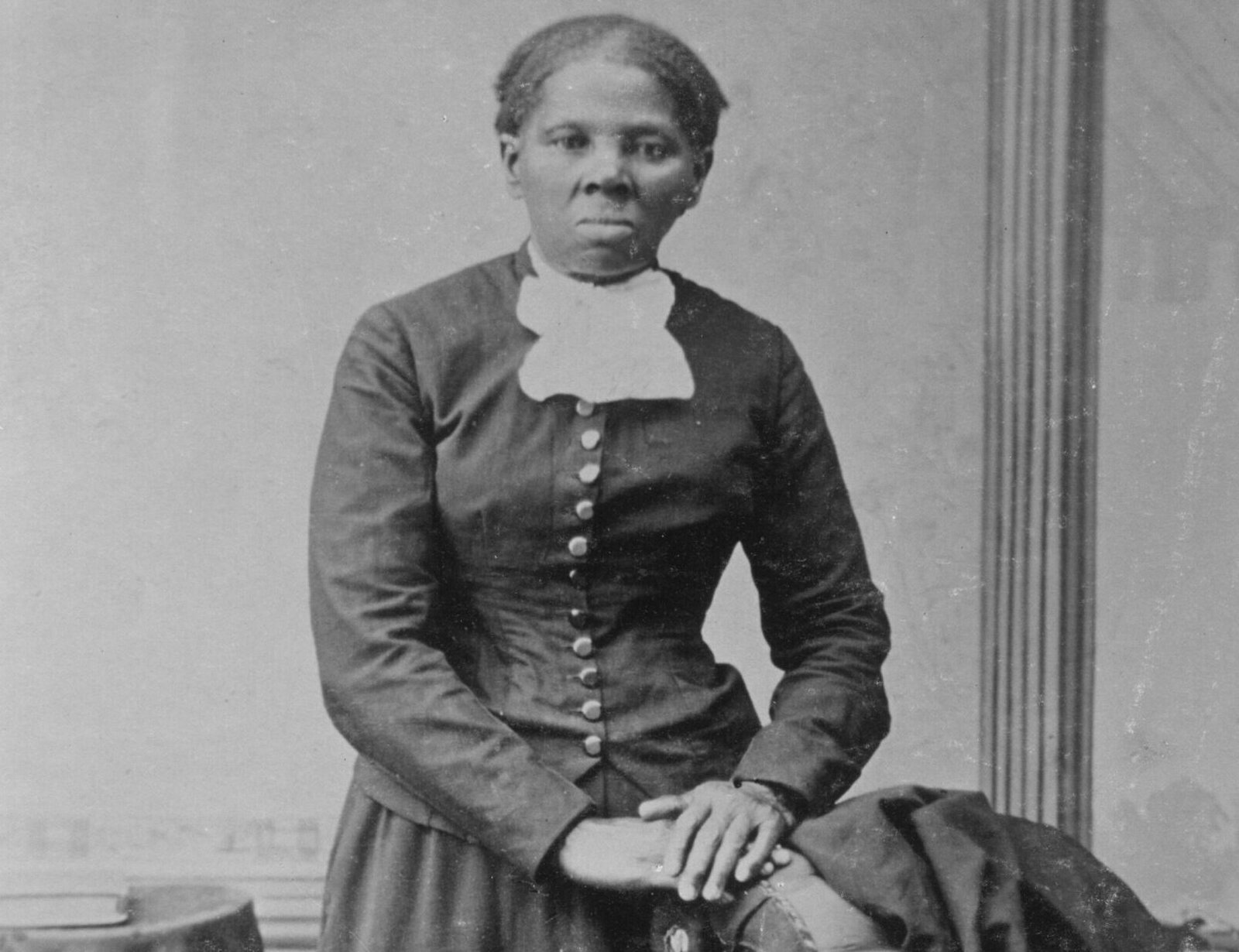

The historic town of Cambridge, Maryland, is gearing up for a major cultural milestone. On Saturday, June 13, 2026, the newly reimagined Harriet Tubman Museum and Educational Center will officially host its highly anticipated grand reopening. Located at 424 Race Street, the venue is completely transforming how it teaches the public about the famous Underground Railroad conductor who personally rescued approximately 70 enslaved people across 13 dangerous missions.
The grand reopening marks a triumphant return for the community institution.
In May 2025, a massive water pipe burst inside the building, causing devastating physical damage and destroying priceless exhibits. Thanks to an anonymous foundation that discovered their plight via Facebook, the museum secured the funding necessary to pivot from a simple repair job to a total, tech-forward modernization.
What Visitors Can Expect on June 13
The museum is moving completely away from traditional, static glass cases and blocks of text. Instead, event organizers are promising a fully immersive and sensory experience tailored to capture the attention of younger generations.
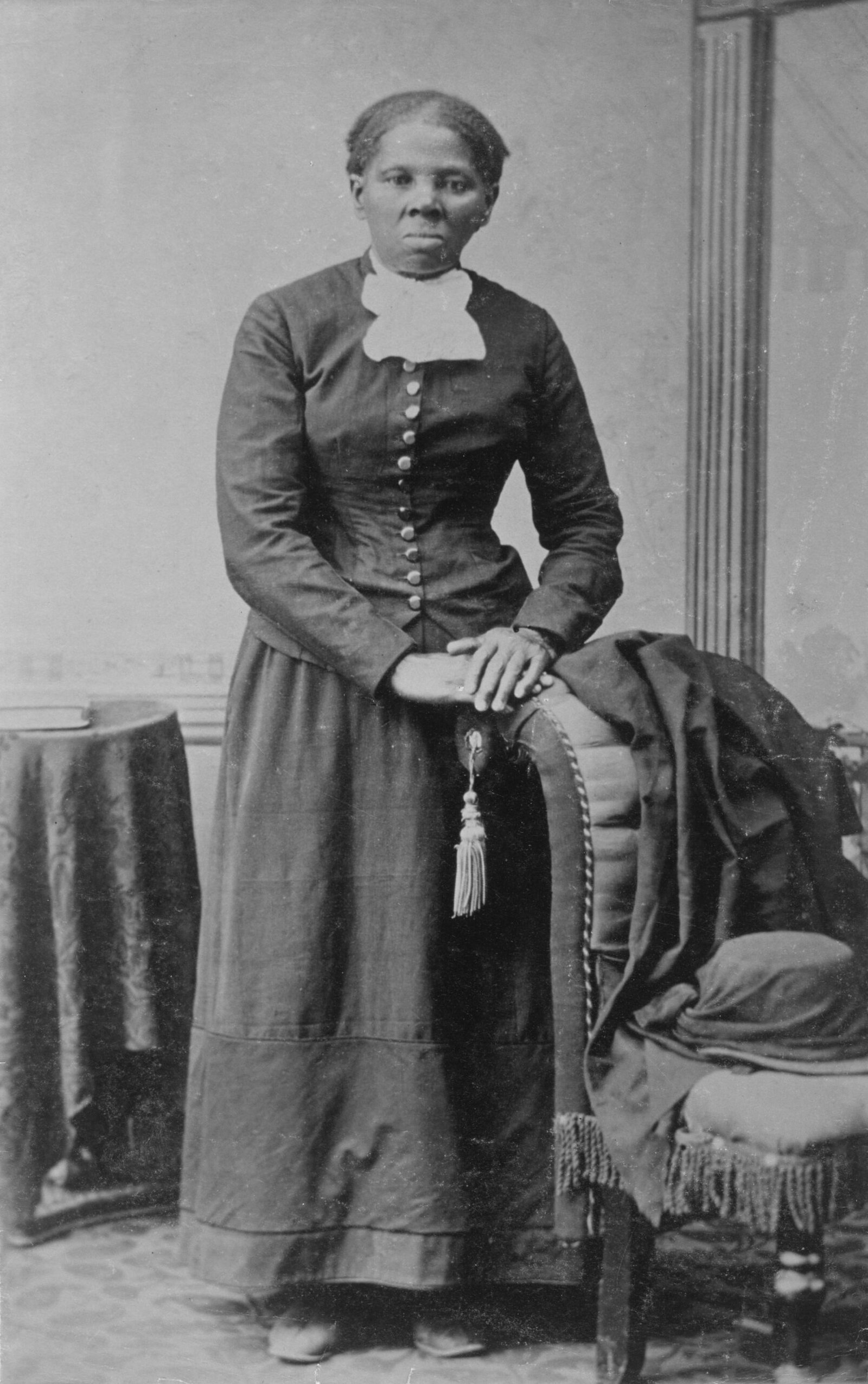
Visitors will eventually be greeted near the entrance by a life-sized hologram of Harriet Tubman, designed to look as if she is personally welcoming you into the space.
The walls and floors are now completely covered in eight sweeping, custom murals painted by local artist Michael Rosato. Rosato is famous for creating the iconic “Take My Hand” outdoor mural on the building’s exterior.
A layered audio system will play music and narration throughout the rooms. The soundtrack tracks the sonic journey of Black music, beginning with the rhythmic chants born in the bellies of Atlantic slave ships and evolving into modern musical genres.
Threaten to Turn Sacred Black History into an Amusement Park
While everyone is celebrating this massive cash injection, I think we need to step back and look at the real danger of turning a historical site into a high-tech tourist trap. Harriet Tubman’s life was defined by raw grit, muddy swamps, blood, and extreme physical sacrifice. She walked hundreds of miles in the dark, dodging slave catchers with nothing but her faith and a revolver. Trying to capture that level of ancestral trauma and bravery with a flashing, futuristic hologram feels incredibly cheap, artificial, and disrespectful.
This is an attempt to make historical trauma palatable and “entertaining” for kids who are addicted to smartphone screens. By focusing on flashy lights, moving parts, and immersive audio, the museum risks distracting people from the heavy, sobering reality of what actually happened on the Eastern Shore.
Worse yet, this entire transformation happened because an unnamed, faceless anonymous donor stepped in with a massive foundation grant. Why are we relying on wealthy, secret elites to fund and dictate the narrative of Black history in Maryland? When massive amounts of corporate or private foundation money flood a grassroots museum, the history almost always gets watered down so it doesn’t make the donors uncomfortable. We cannot let a glossy, tech-heavy rebrand sanitize the brutal truth of slavery just to make the museum more marketable for casual tourists.
The Uncomfortable Reality of Maryland’s Wealth
The museum’s leadership is making it clear that they do not intend to shy away from the darkest economic truths of the state’s past, despite the shiny new upgrades.
Museum Director Linda Harris has publicly noted that the exhibit will directly confront how the entire state of Maryland, and specifically the Eastern Shore, built its immense historical wealth directly on the backs of forced slave labor. The reopening timeline on June 13 will feature a direct tour at 12:00 p.m., followed by an intense public discussion at 1:00 p.m. with muralist Michael Rosato, and live storytelling sessions later in the afternoon.
Even though the high-tech bells and whistles will continue to be tweaked and installed throughout the remaining summer months, the June 13 event will serve as a stark reminder of the resilience of Tubman’s descendants. The community is watching closely to see if the new space will truly preserve her fierce spirit, or if it will simply become another corporate-sponsored roadside attraction.
History or Hollywood?
The grand reopening of the Harriet Tubman Museum will undoubtedly bring thousands of new visitors and crucial tourism dollars to downtown Cambridge this summer. Tech upgrades can be an effective educational tool, but the museum must ensure that the substance of the Underground Railroad is never overshadowed by the spectacle. Whether this reimagined space remains a sacred historical sanctuary or turns into a Hollywood-style exhibit remains to be seen.