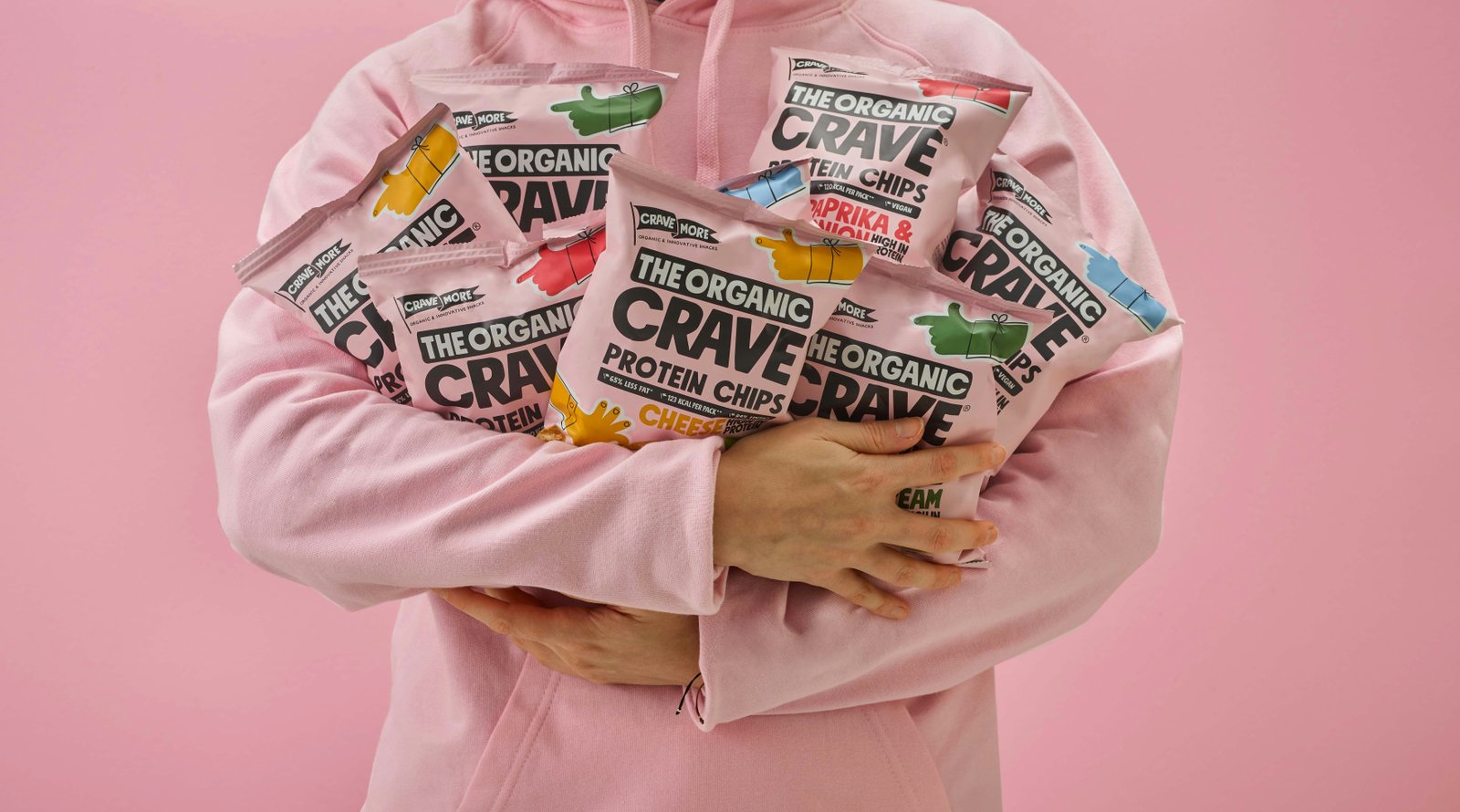

You probably don’t know this, but there’s a name for that feeling you have at the end of a long day – or a long week– when you’re done with a meeting that should have been an email or finished a project that took everything out of you.
It’s called “Treatonomics,” and it is one of the biggest consumer shifts of 2026.
What Is Treatonomics?
Basically, Treatonomics is the trend of buying small, affordable luxuries, e.g., coffee, skincare, candles, sweet treats, just to boost your mood during uncertain economic times. It is the modern version of the “lipstick effect,” a phenomenon first noticed during the Great Depression when cosmetic sales actually went up because people still wanted to treat themselves but could only afford small things.
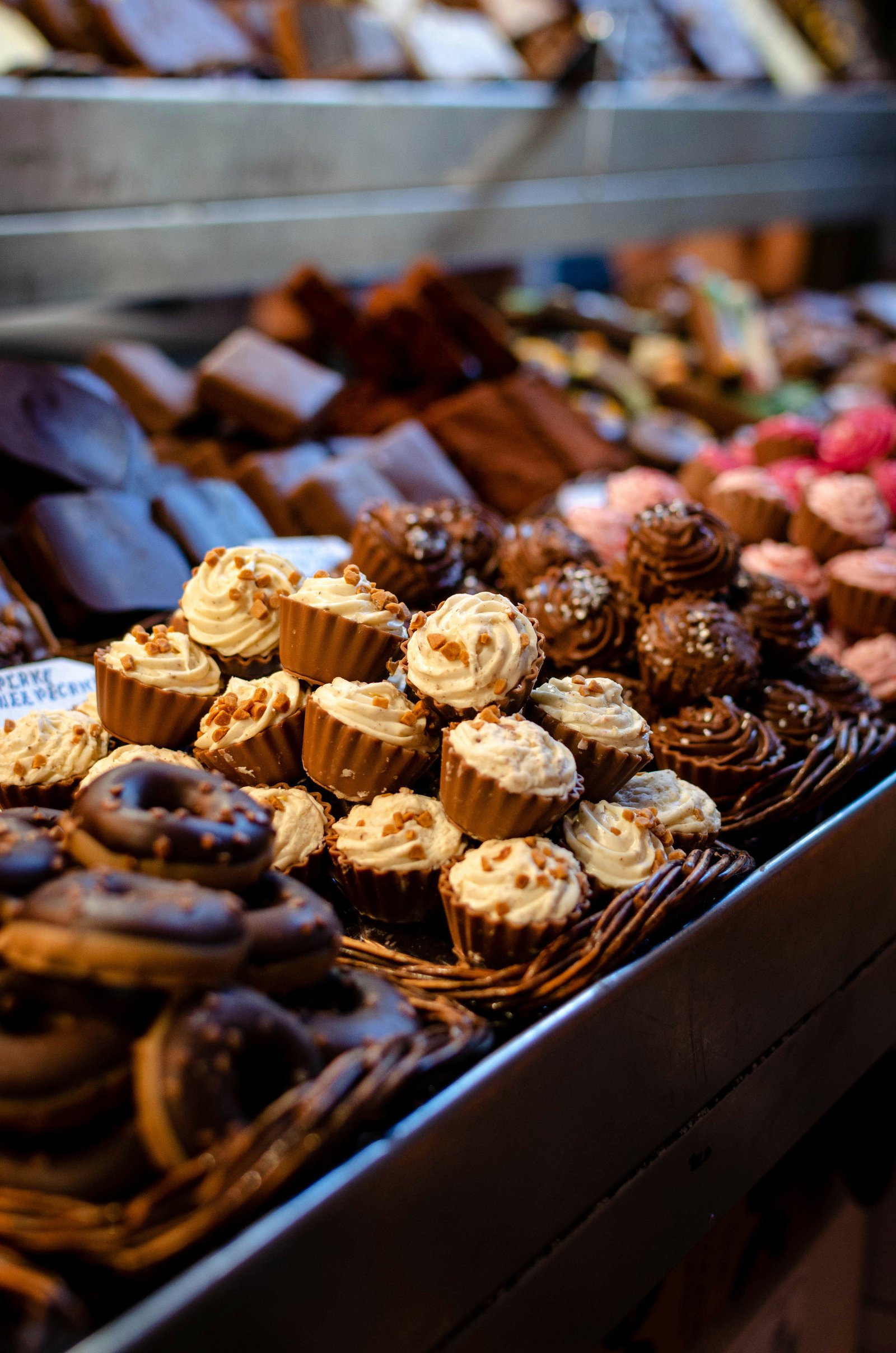
But Treatonomics is different. It is not just lipstick anymore. People are buying premium skincare, fragrance dupes, concert tickets, collectible toys, and wellness supplements. Remarkably, this trend is not about saving money, but rather about needing an emotional reward. According to independent research from One Day Agency, 64% of consumers buy treats as a personal reward. Only 14% are driven by discounts.
The Numbers Are Actually Wild
This is not a small trend. 62% of Americans indulge in small, affordable treats at least once a month. Globally, 75% of consumers consider small purchases a critical part of their day for “a moment of joy”. In the UK, 80% of buyers keep their treat spending under £30 to keep the purchase guilt-free.
And here is the part that surprised me: while people usually link this trend to Gen Z, the biggest group of treat buyers is actually people aged 51 and over, making up 45% of respondents.
Why Is This Happening Right Now?
The answer is kind of sad but also makes a lot of sense. The big life milestones people used to aim for—buying a home, getting married—are slipping further away. In 2025, first-time home buyers dropped to a record low of 21%. The median age of first-time buyers climbed to an all-time high of 40. The median age for a first marriage is now 30.8 for men and 28.4 for women—the highest on record.
When your big dreams feel impossible, you adjust. You look for pleasure in smaller things. As one report put it: “When buying a home feels like science fiction, the chocolate hazelnut eclair is the affordable luxury that still hits”.
There is also a mental health side to this. 35% of Americans treat themselves to stay motivated. 30% use small purchases to cope with a stressful day. The language has even shifted. We do not call it “indulgence” anymore (which sounds a bit shameful). We call it “self-care” (which sounds aspirational).
What Are People Actually Buying?
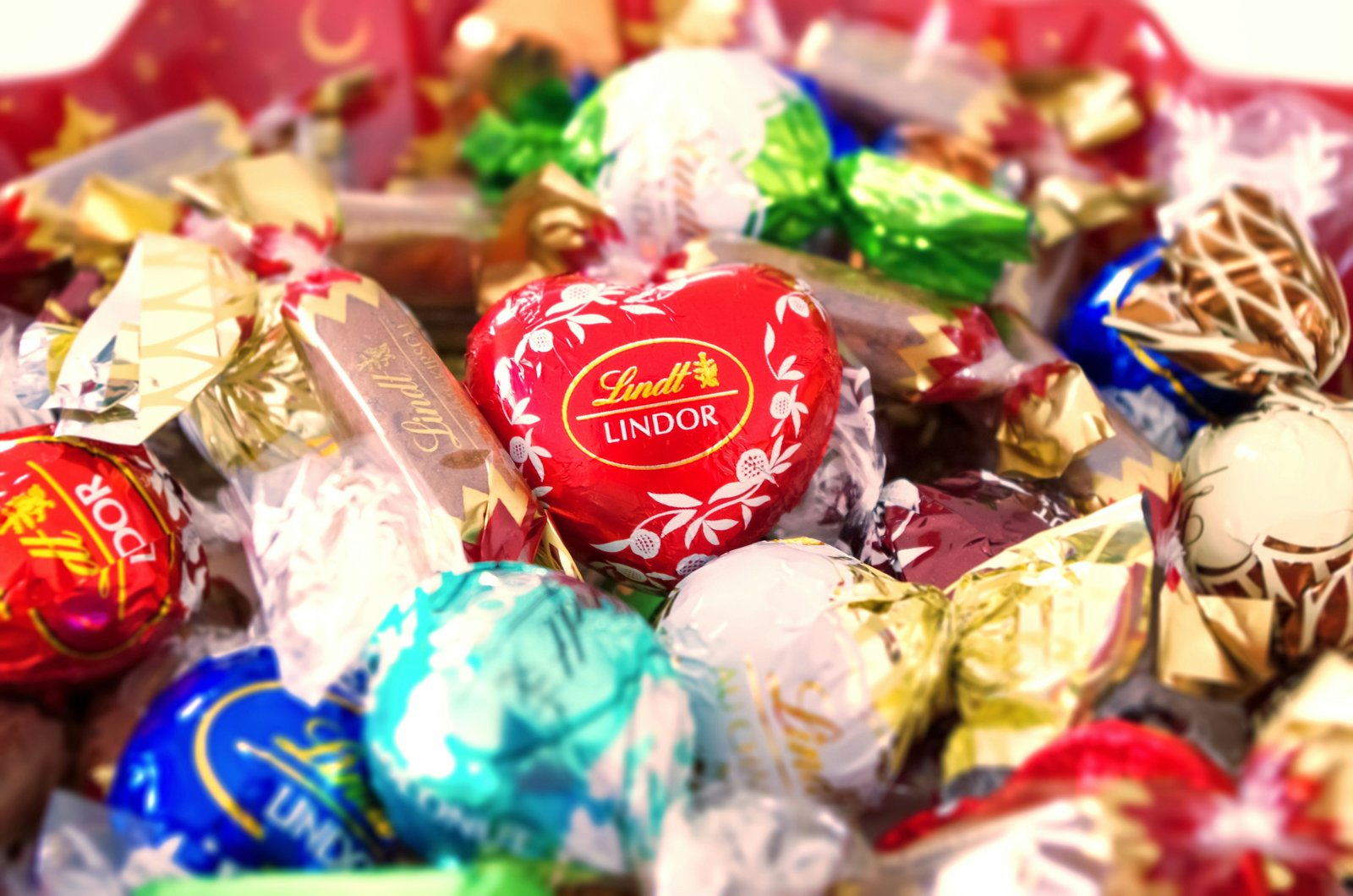
The most popular little treats are food and beverage (65%), followed by home and hobby items (37%). Think premium coffee, bubble tea, ice cream, candles, skincare, and small fashion accessories.
The price matters a lot. Nearly a quarter of people aim for about $5 per purchase. Another third land in the $5 to $10 range. Once it crosses £30 or $30, it starts to feel like a serious purchase rather than a treat. The sweet spot is cheap enough to feel guilt-free, but expensive enough to feel like a real reward.