After months of diplomatic tension and accusations of state-sponsored “blackmail,” Ukraine has finally recovered a massive shipment of cash and gold, valued at $82 million, that was seized by Hungarian authorities under the now-deposed government of Viktor Orbán. President Volodymyr Zelenskyy confirmed the return of the assets on Wednesday, marking a significant thaw in relations between the two neighbors following Hungary’s recent political upheaval.
A “Counter-Terrorism” Stunt?
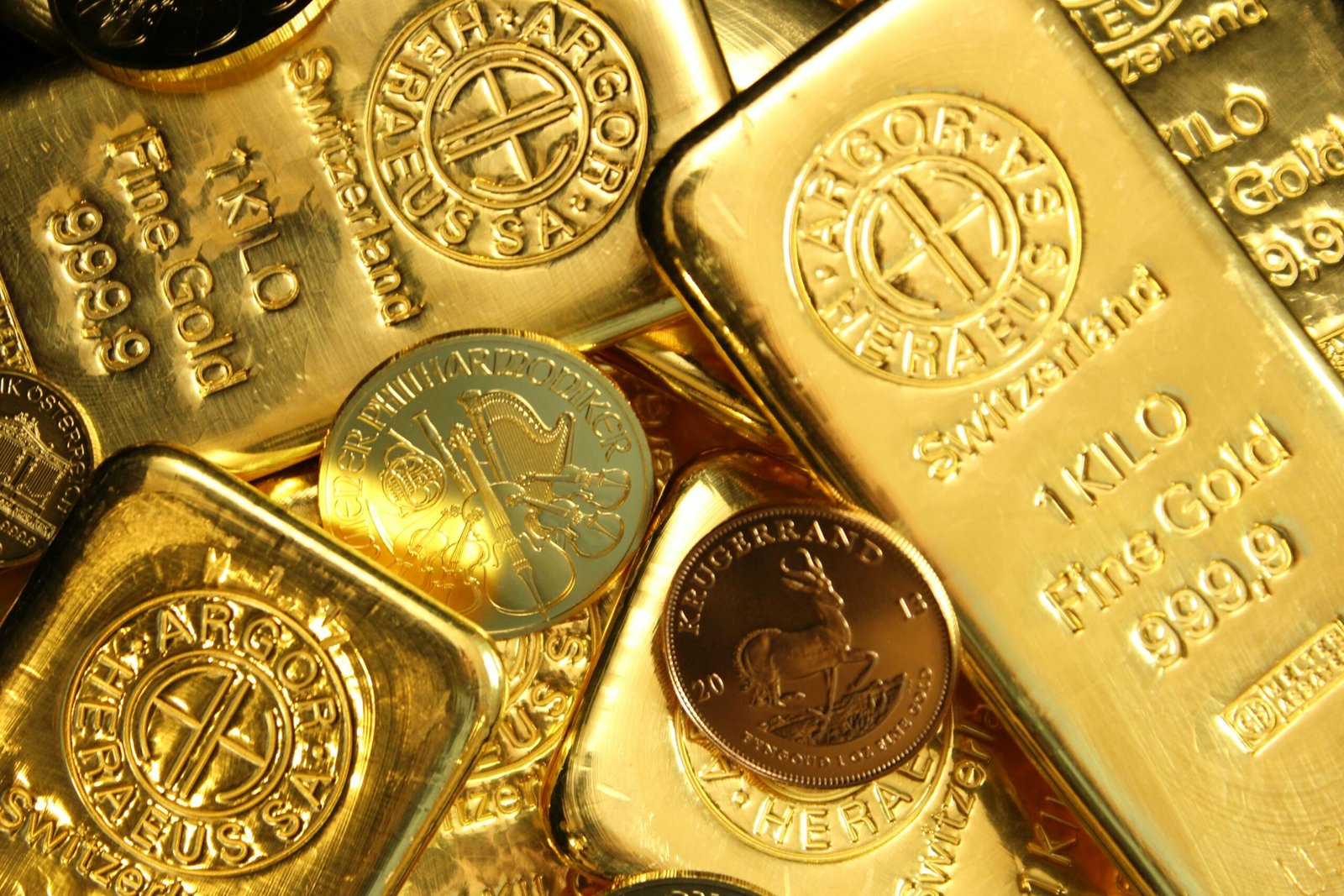
The saga began on March 5, 2026, when two armored cars bound for Ukraine’s state Oschadbank were intercepted by Hungarian counter-terrorism forces. The haul was substantial:
•$40 million in USD cash.
•€35 million in Euro banknotes.
•9 kilograms (approximately 19.8 lbs) of gold bullion.
While the Orbán administration officially cited “money laundering suspicions,” the timing told a different story. The seven Ukrainian bank employees transporting the assets were detained for over 24 hours before being unceremoniously expelled from the country.
The Political Motive
Ukrainian officials have long maintained that the seizure was a calculated move by Viktor Orbán to leverage Kyiv during a heated energy dispute.
At the time, Hungary’s access to Russian oil had been interrupted after the Druzhba pipeline was damaged by a Russian drone strike. Kyiv accused Orbán of holding the gold hostage to pressure Ukraine into fast-tracking repairs and resuming oil flows. Simultaneously, Orbán used his veto power to block a critical €90 billion European Union loan intended for Ukraine, further souring relations with Brussels and Kyiv.
Without providing evidence, Orbán suggested the $82 million was intended to illegally fund his primary domestic rival, the Tisza party. This narrative became a cornerstone of his anti-Ukraine election campaign.
Viktor Orbán’s landslide defeat in last month’s election saw the center-right Tisza party secure a two-thirds majority. The new administration has moved quickly to distance itself from Orbán’s pro-Russian leanings. Almost immediately following the resumption of oil flows and the electoral shift, Hungary lifted its veto on the EU loan and arranged for the “civilized” return of the seized assets.
“I am grateful to Hungary for its constructive approach and civilized step. I thank everyone on Ukraine’s team who fought for a fair decision.” — President Volodymyr Zelenskyy
The End of “Bully Diplomacy”
The seizure of the $82 million was never about money laundering, it was a desperate act of “Bully Diplomacy” by a leader who saw his influence slipping. By holding a neighbor’s state assets hostage during a war, Orbán didn’t just hurt Ukraine, he isolated Hungary from the rest of the European Union.
Orbán’s attempt to link the shipment to his political opponents was a classic “distraction” move. We’ve seen this before: when a leader is “weaker than ever” (as the EU recently described Putin), they resort to theatrical seizures and conspiracy theories.
The fact that the assets were returned so quickly after the election proves they were never “suspicious” to begin with. This recovery is a win for international law, but it’s also a warning. It shows how easily state power can be weaponized for personal political gain. The next Hungarian administration has a massive task ahead to prove they aren’t just “not Orbán,” but that they are actually committed to being a reliable European partner.