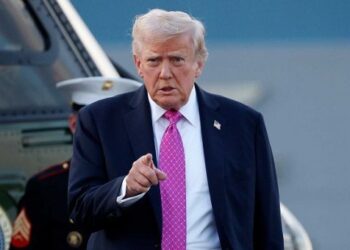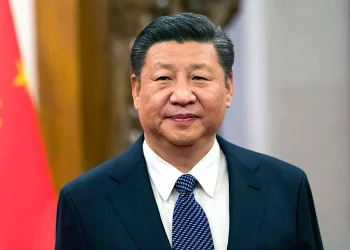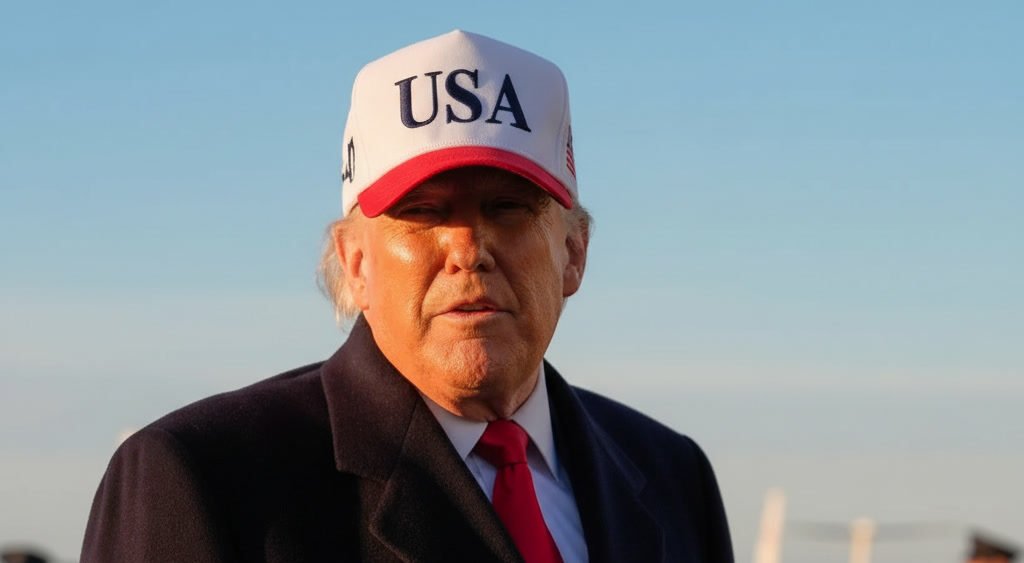

Many local leaders and citizens of Israel feel a profound sense of abandonment, arguing that Trump betrayed Israel with “bad” Iran cease-fire deal parameters that fail to address the core security threats facing the country. After enduring a brutal, multi-front conflict over the past year, including a military campaign launched alongside U.S. forces in late February, Israel has found itself entirely sidelined from the secret negotiations facilitated by Pakistan and Qatar.
On June 14, 2026, Hebrew newspapers and major broadcasters captured the nationwide anger, calling the initial memorandum of understanding a dangerous compromise. The agreement extends a shaky truce for 60 days, lifts the U.S. naval blockade on Iranian ports, and reopens the strategic Strait of Hormuz in exchange for future talks regarding Tehran’s nuclear ambitions. However, by rushing into this agreement ahead of the American midterms, Washington has effectively left its closest regional ally out in the cold.
The Massive Security Gaps Left Open
The main reason the mood in Israel has soured so quickly is that the current agreement leaves out almost every major military objective set at the start of the conflict. When the war began, Prime Minister Benjamin Netanyahu promised the public that operations would permanently eliminate existential threats. Instead, the current terms create an operational blind spot, making many experts agree that Trump indeed betrayed Israel with “bad” Iran cease-fire deal frameworks that offer no real safety.
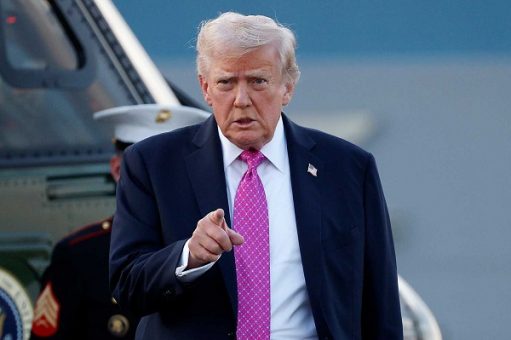
The initial framework forces a permanent end to military operations on all fronts, including Lebanon, but sets up no real enforcement mechanism to stop Tehran from restocking Hezbollah, Hamas, or the Houthis with advanced weaponry.
While the upcoming technical talks in Switzerland are supposed to focus on nuclear enrichment, Iran’s massive stockpile of precision-guided ballistic missiles isn’t even mentioned in the publicly circulating draft details.
Lifting the naval blockade allows vital oil revenues to start flowing right back into the Iranian government’s coffers long before they have made any verifiable concessions on their nuclear program.
My Opinion
Wrapping up a volatile regional war on a casual social media post just to secure a quick diplomatic win before the U.S. midterm elections is a big mistake. The White House is already taking victory laps, but from where we are sitting in the Middle East, this isn’t a masterclass in peacemaking. The raw reality is that Trump has betrayed Israel with this “bad” Iran cease-fire deal concessions that completely compromise the nation’s long-term safety.
It is incredibly frustrating to watch Netanyahu try to save face by releasing vague statements about being “fully aligned” on nuclear goals, when everyone in Jerusalem knows he just got blindsided by his closest international ally. His political rivals are already calling this one of the most shocking foreign policy failures in the nation’s history, and they aren’t wrong.
You cannot build a lasting peace by simply ignoring the baseline threats on your doorstep. Telling Israel to halt its operations against Hezbollah in southern Lebanon while allowing millions of dollars to flow back to their sponsors in Tehran doesn’t solve a crisis, it just hits the pause button. If the upcoming technical talks in Geneva don’t establish verifiable restrictions on missile production and proxy funding, then there’s no peace.
A Tense Countdown to the Friday Signing
The widespread backlash against the agreement shows just how deep the diplomatic rift between Washington and Jerusalem has become. For the average citizen watching the details leak out, it is undeniable that Trump has betrayed Israel with a “bad” Iran cease-fire deal. With a formal signing ceremony scheduled for Friday, June 19, in Switzerland, Israel faces an impossible choice.
Netanyahu is under intense pressure from his own governing coalition to ignore the text and keep troops positioned in southern Lebanon to protect border villages. But defying the White House publicly could permanently destroy the relationship that Israel relies on for its defense. If Washington continues to push this framework without addressing the immediate threats on the ground, the truce will likely fall apart long before the 60-day window ever closes.