
Ghislaine Maxwell refused to answer questions in a congressional deposition on Monday, leaving lawmakers frustrated and raising fresh questions about the role of U.S. President Donald Trump in her potential release. Maxwell, who is serving a 20-year sentence for helping Jeffrey Epstein sexually abuse teenage girls, relied on her Fifth Amendment rights, avoiding any answers that could incriminate her.
Her silence sparked concern on both sides of the political aisle, with Democrats accusing her of using the deposition as a public campaign for clemency. At the same time, her lawyer made it clear that Maxwell is ready to speak fully, but only if President Trump grants her freedom. The tension between her legal strategy and the ongoing investigation casts a shadow over what could be revealed about Epstein’s network.
Maxwell’s Silence and the Fifth Amendment
By invoking the Fifth Amendment, Maxwell effectively blocked any questioning on the crimes she and Epstein committed. Committee chairman James Comer, a Republican, expressed disappointment, saying that lawmakers hoped to uncover information about co-conspirators and other undisclosed crimes.
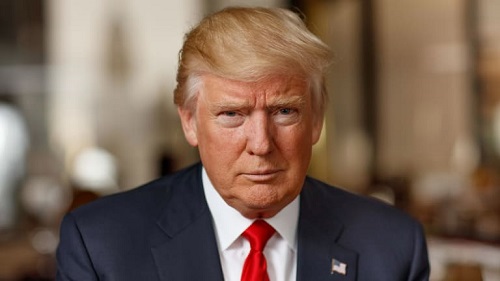
Democrats, meanwhile, suggested that Maxwell’s refusal was a deliberate move to pressure Trump for clemency. Representative James Walkinshaw said, “What we got was another episode in her long-running campaign for clemency. President Trump could end this today by ruling her out for any special treatment.”
Lawyer Signals Maxwell Could Reveal Everything
David Markus, Maxwell’s lawyer, stated publicly that she is willing to provide full testimony, but only under the condition of clemency from Trump. Markus emphasized that Maxwell believes her conviction was based on an unfair trial, citing a pending habeas petition.
Her lawyer’s statement positions Trump as the gatekeeper of potentially explosive information. If granted clemency, Maxwell could reveal more about Epstein’s dealings, his associates, and potentially others who were involved in the network.
Evidence Already Raises Eyebrows
The deposition took place as millions of internal DOJ documents related to Epstein have been released, including images and notes linked to high-profile figures. Some of these documents reference Trump, though he denies any knowledge of Epstein’s crimes and maintains that he cut ties with Epstein years ago.
These developments leave the public and Congress wondering what might come to light if Maxwell were freed. Her ability to speak openly could change the landscape of the Epstein investigation entirely, making Trump’s decision central to the outcome.
Political and Legal Stakes
Maxwell’s case has drawn attention worldwide, not just because of her crimes, but because of the potential for revelations that could implicate other powerful figures. The role of the President in granting clemency places this matter at the intersection of law, politics, and public curiosity.
With additional depositions scheduled, including appearances by former high-ranking officials, the Maxwell case continues to ripple through American politics. The looming question remains: will Trump’s intervention allow Maxwell to finally speak, or will the truths of Epstein’s network remain hidden behind legal strategy?
Ghislaine Maxwell’s refusal to answer questions has not ended the story. Instead, it has brought her potential release into sharper focus. Trump holds the power to allow her to reveal the unfiltered truth, but whether he will remains uncertain.