
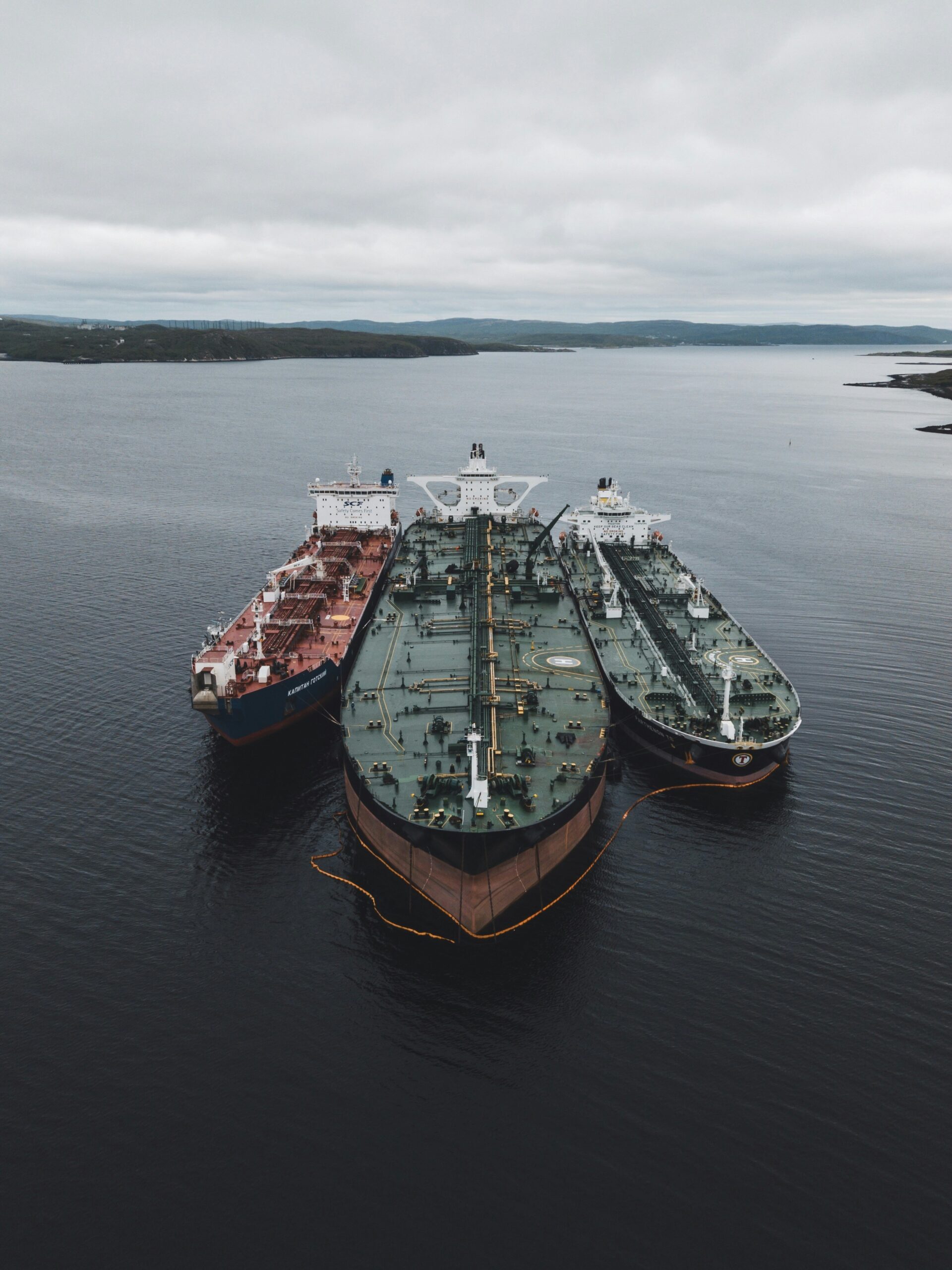
The United States has taken another hard step in the Caribbean; this time, the target is Cuba. After years of surviving on Venezuelan oil, the island is now facing a sudden stop. President Donald Trump has made it clear: no more Venezuelan oil, no more money, and no special treatment.
Below is a clear look at what is happening, why it matters, and what could come next.
A Sudden Stop that Hits Hard
For decades, Venezuela has been Cuba’s main oil lifeline. Cheap crude and fuel from Caracas kept Cuban lights on, buses moving, and factories running. That flow has now stopped.
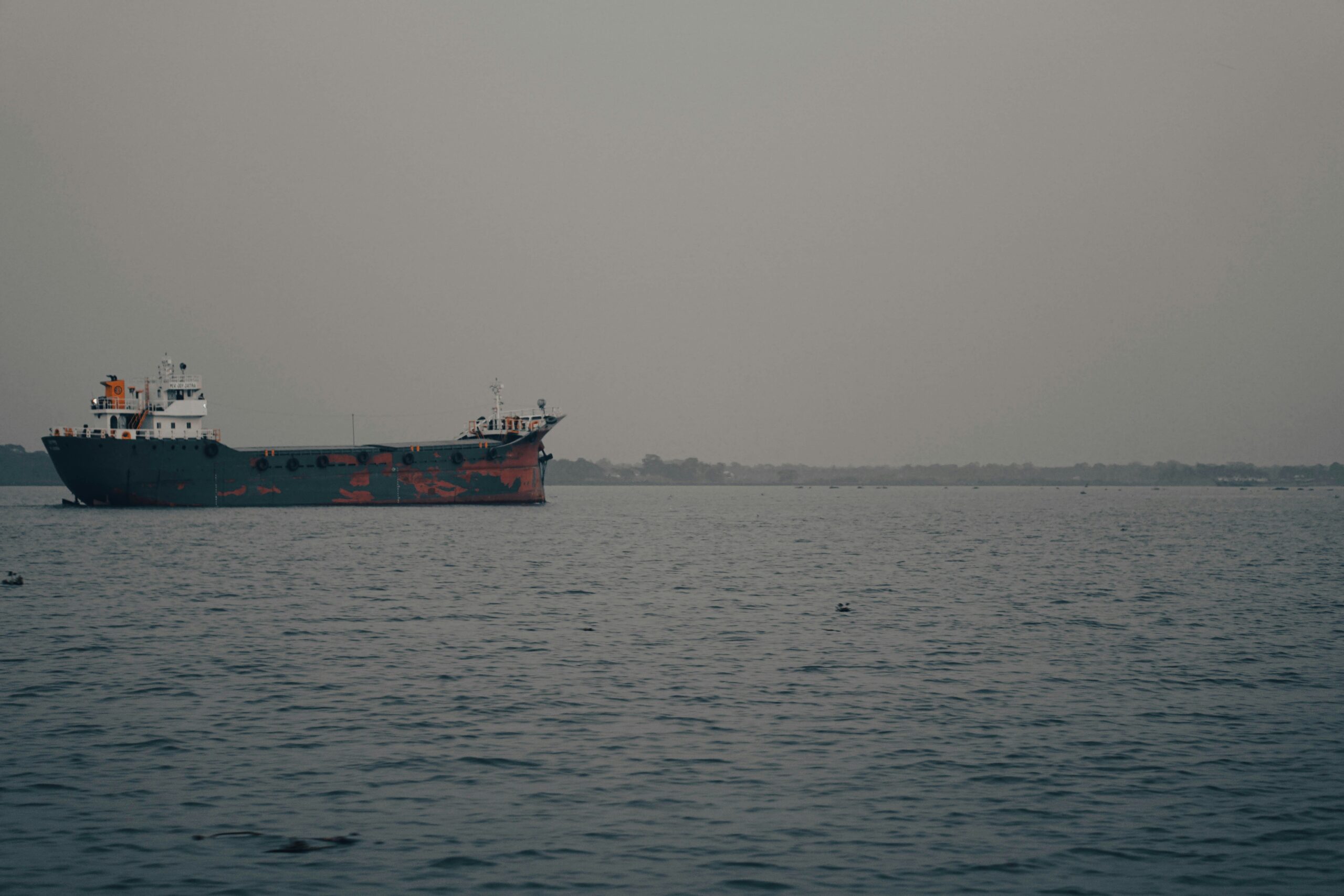
Since the capture of Venezuelan President Nicolas Maduro by U.S. forces earlier this month, not a single tanker has left Venezuela for Cuba. Shipping data confirms it. The blockade is tight. The message is firm.
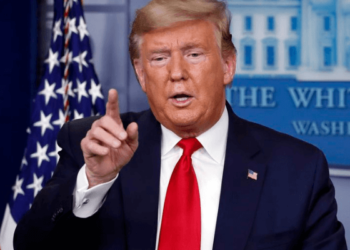
Trump’s statement on Sunday removed any doubt. He said there will be “zero” oil and “zero” money going from Venezuela to Cuba. He also told Cuba to make a deal with Washington before it is too late.
This is not a warning. It is an order backed by force.
Why Trump is Tightening the Screws
This move fits into a wider U.S. plan. Washington wants to break old alliances that have survived American pressure for years. Venezuela and Cuba have stood together against the U.S. since the Cold War days. Trump is trying to end that story.
By cutting off Venezuelan oil, the U.S. is attacking Cuba at its weakest point: energy. Without fuel, everything slows down. Power cuts worsen. Food production drops. Transport fails. Public anger grows.
Trump is betting that economic pain will push Havana to the table, or push the system closer to collapse.
Cuba’s Response: Defiant, but Limited
Cuba has pushed back with words, not actions. Foreign Minister Bruno Rodriguez said Cuba has the right to buy fuel from anyone willing to sell. He denied that Cuba received money or special rewards from Venezuela in exchange for security help.
Cuba does not have many friends willing or able to replace Venezuela fully. The island imports most of its fuel. It cannot survive without a steady supply.
Cuban officials have also confirmed that members of their security forces were killed during the U.S. raid in Venezuela. This shows how deep the alliance between Havana and Caracas really was. It also explains why Washington sees Cuba as part of the problem, not a bystander.
Mexico Steps in, But Not Enough
Mexico has started supplying some oil to Cuba. This helps, but it is far from enough. Venezuela was sending about 26,500 barrels per day last year. That covered around half of Cuba’s oil needs.
Mexico’s supply is small and bought on the open market. It is not cheap, and it is not guaranteed. Even Mexico admits it has not increased volumes much. Calling Mexico an “important supplier” sounds good, but it does not solve Cuba’s fuel crisis.
While Cuba is being cut off, the U.S. is moving closer to Caracas again. Washington and Venezuela are now working on a deal that could send up to 50 million barrels of Venezuelan oil to the United States.
The money from that oil will sit in U.S.-supervised accounts. This gives Washington control, oversight, and leverage. It also shows a sharp shift: Venezuela is no longer being isolated; it is being managed. Cuba, on the other hand, is being squeezed out.
The Real Goal Behind the Oil Move
This is not only about Cuba. It is also about sending a signal to the world. Trump is showing that old loyalties do not protect you anymore. If you stand against U.S. interests, even long-time allies can be cut off overnight.
The oil cut tells other countries in the region to choose carefully. Stay close to Washington, or face pressure that hurts ordinary people first.
It also shows that Trump prefers deals over ideology. He is ready to work with Venezuela under new terms, but Cuba must submit or suffer.
What this Means for Ordinary Cubans
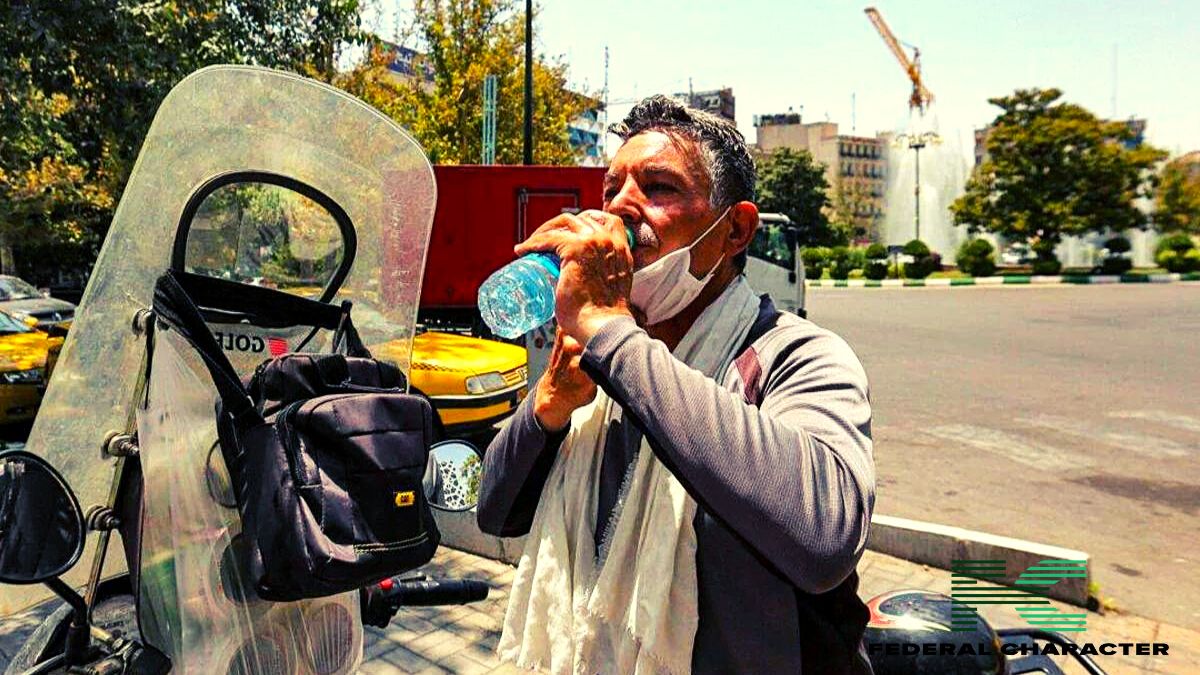
For people in Cuba, this decision is already painful. Fuel shortages mean longer blackouts, fewer goods, higher prices, and more frustration. Tourism, one of the few strong sectors left, depends on power and transport. Agriculture needs fuel. Hospitals need electricity.
U.S. intelligence reports already describe Cuba’s economy as strained and fragile. Removing Venezuelan oil could push it closer to breaking point, even if it does not collapse completely.
Trump says Cuba is “ready to fall.” U.S. intelligence is less certain. What is clear is that life is about to get harder for ordinary Cubans.