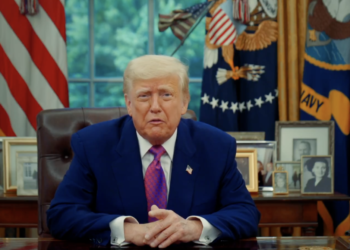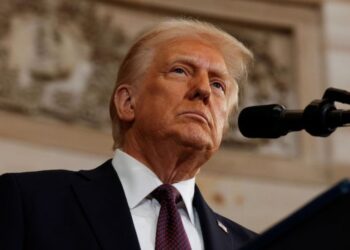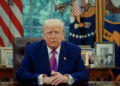

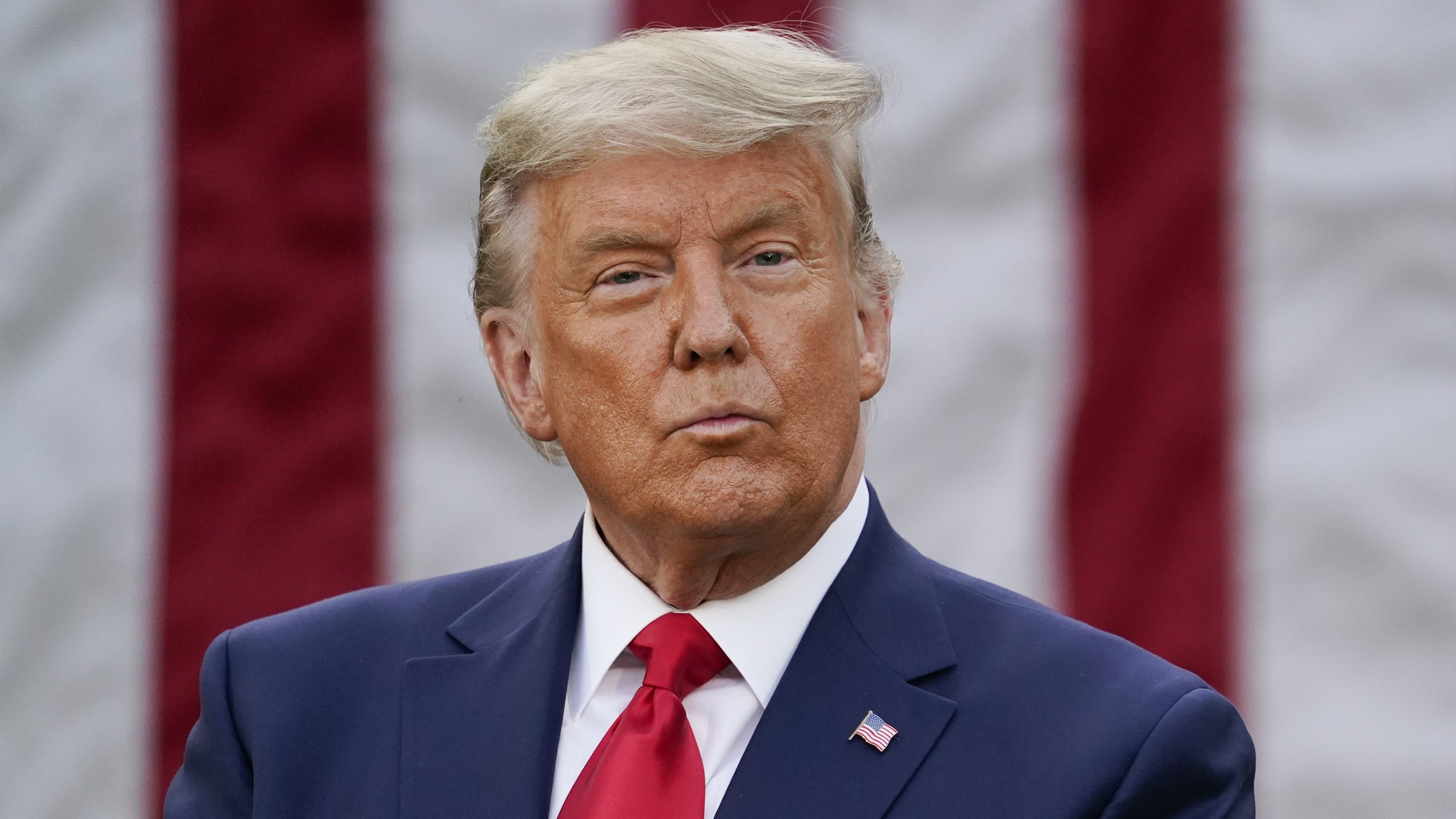
As the conflict in the Middle East reaches its two-week mark, President Donald Trump has escalated his rhetoric, dismissing Iran’s leadership in a series of highly aggressive social media posts. “Watch what happens to these deranged scumbags today,” Trump wrote on Friday, declaring it a “great honor” to be the 47th President overseeing the systematic destruction of the Iranian regime.
He claimed that the U.S. possesses “unparalleled firepower” and “unlimited ammunition,” signaling no intention of de-escalating the military campaign that began with joint Israeli-U.S. strikes on February 28.
The Rise of Mojtaba Khamenei and the Strait of Hormuz
In Tehran, the transition of power appears complete but fraught with tension. The new Iranian Supreme Leader, Mojtaba Khamenei, issued his first public directive on Thursday, though he noticeably failed to appear on camera. While Iranian state media claims he was only “lightly wounded” in the initial strikes that killed his father, President Trump mocked the cleric, suggesting he is “damaged.” In his statement, the younger Khamenei vowed to keep the Strait of Hormuz, the world’s most vital energy chokepoint, closed until Iran achieves “vengeance” for its martyrs.

He further warned neighboring Gulf nations to immediately shut down U.S. military bases or risk becoming direct targets for Iranian retaliatory strikes.
Operation Roar of the Lion
Israeli Prime Minister Benjamin Netanyahu defended the ongoing offensive, dubbed Operation Roar of the Lion, during his first news conference since the war began.
Netanyahu hinted at the potential for regime change from within, stating that Israel is “creating the optimal conditions” for the Iranian people to topple their government. Meanwhile, the Israel Defense Forces (IDF) reported striking over 200 targets in the past 24 hours alone, focusing on ballistic missile launchers and weapons production facilities. For the first time, Israel also admitted to striking civilian infrastructure in Lebanon, specifically a bridge over the Litani River, alleging it was a vital supply route for Hezbollah militants.
Global Markets and the Russian Oil Pivot
The war’s impact on global stability has reached a fever pitch as oil prices surged to $100 a barrel following the continued closure of the Strait of Hormuz. In a controversial move to stabilize the energy market, the Trump administration issued a 30-day license allowing countries to purchase Russian oil currently “stranded at sea.” Treasury Secretary Scott Bessent defended the move as a necessary, short-term measure to curb domestic price hikes before the upcoming midterm elections. However, the decision has drawn sharp criticism from Democrats, who argue that the war is inadvertently providing a financial windfall for Vladimir Putin while American families suffer from the resulting inflation.
Humanitarian and Military Fallout
The human cost of the two-week conflict has been staggering, with the death toll now exceeding 2,000 people. Iranian missiles have begun penetrating Israeli air defenses with more frequency, including a strike on a Bedouin Arab town near Nazareth that injured 58 people. In Iraq, the situation grew more chaotic as a U.S. refueling aircraft went down, while U.S. Central Command insists the crash was not due to hostile fire, the Islamic Resistance in Iraq has already claimed responsibility.
The international community remains on edge as President Trump derides Iran’s leaders as “deranged scumbags” and revels in their killing, a shift that many fear makes a diplomatic exit nearly impossible. With Mojtaba Khamenei cementing his power through threats to global energy and Benjamin Netanyahu signaling a deeper ground campaign, the “Roar of the Lion” operation shows no signs of slowing. Whether this strategy of total demolition will lead to a more stable Middle East or a permanent global energy crisis remains the most urgent question of the 2026 war.