
The future of Venezuela is again being shaped far away from Caracas. This time, it is happening in Washington, where opposition leader Maria Corina Machado is betting that patience, pressure, and proximity to power will finally bring change. Her message is quite obvious: the old order will fall, and free elections will come. The harder question is when, and on whose terms.
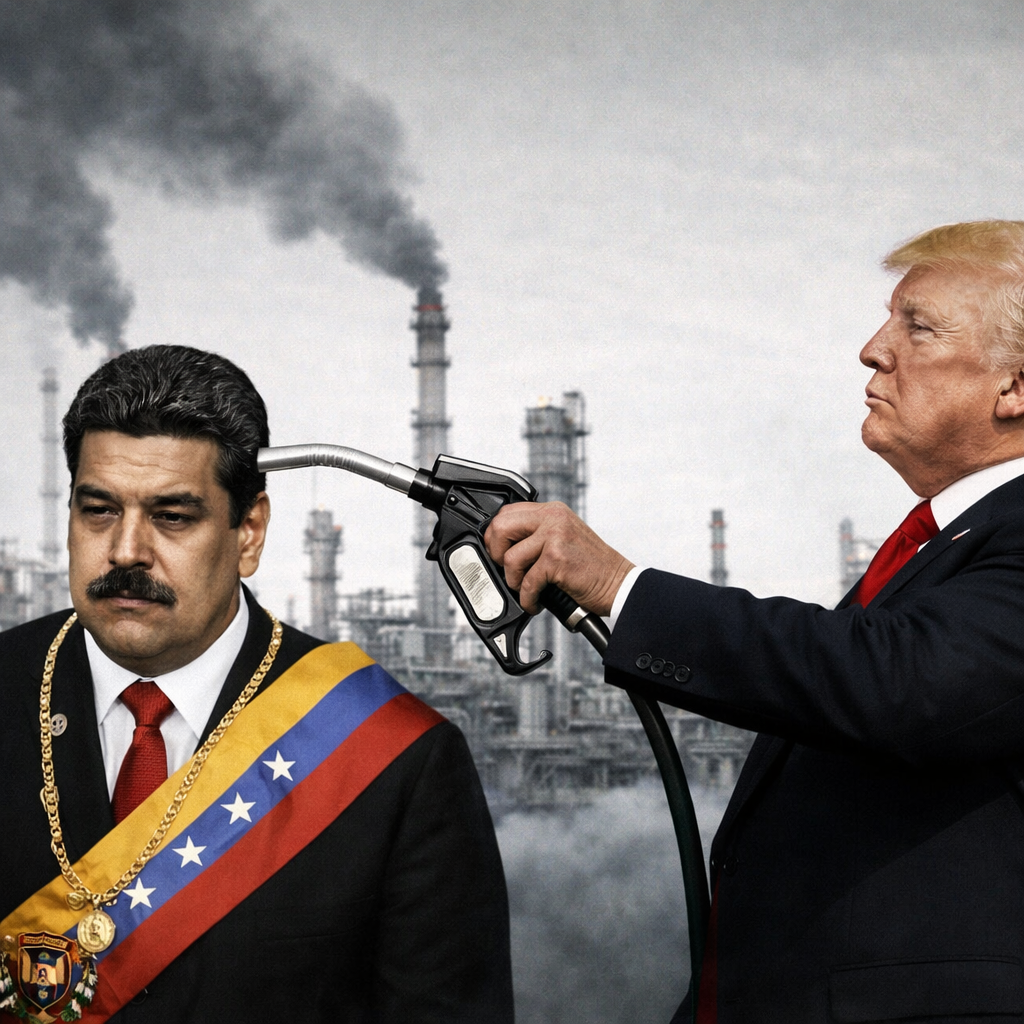
Machado’s confidence comes at a moment when the United States, under President Donald Trump, appears more focused on oil and stability than on democracy. That tension sits at the heart of Venezuela’s uncertain path forward.
Machado’s belief in an eventual opening
Maria Corina Machado spoke calmly but firmly when she said Venezuela would see an orderly transition to free elections. She described the current system as a criminal structure that cannot last forever. In her view, it will dismantle itself over time.
This confidence matters because many Venezuelans are exhausted. Years of protests, disputed elections, sanctions, and repression have produced little real change. By insisting that a transition will happen, Machado is trying to keep hope alive in a country where hope has been repeatedly broken.
Yet she offered few details on how this transition would occur. That silence reflects reality. The path ahead is unclear, and even the opposition does not fully control events on the ground.
A meeting that revealed power realities
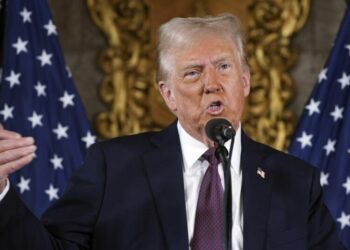
Machado’s meeting with Trump was symbolic and strategic. Presenting her Nobel Peace Prize medal to him was not just a gesture of respect. It was a calculated move to align herself with the man who currently holds the most influence over Venezuela’s future.
Trump has made his position known. He removed Nicolas Maduro, but he has not handed power to Machado. Instead, he has backed an interim arrangement led by figures once loyal to Maduro, arguing that they can keep order while the country stabilizes.
This choice sent a clear signal: Washington is choosing predictability over principle, at least for now.
Oil before democracy
Since Maduro’s removal, Trump has focused on Venezuela’s vast oil reserves. Access to oil, control of markets, and regional stability have taken priority over restoring democratic rule immediately.
From a cold political view, this makes sense. Venezuela’s oil matters to the U.S. economy and global energy markets. Chaos in Caracas could disrupt supply and fuel instability across the region.
But this approach has angered many in the Venezuelan opposition. They believe the movement that won the disputed 2024 election is being sidelined in favor of convenience. Machado, however, has chosen not to confront Trump publicly over this. Instead, she is playing a long game.
Silence as a strategy
Machado’s refusal to criticize Trump directly is not a weakness. It is a strategy. She understands that open opposition to U.S. policy would likely shut doors rather than open them.
By praising Trump and framing him as a supporter of Venezuelan freedom, she keeps herself relevant in Washington. At the same time, she avoids being labeled as unrealistic or disruptive during a fragile transition.
This careful tone has divided opinion. Supporters see wisdom and restraint. Critics see compromise and lost leverage.
Signals from behind the scenes
While Machado was in Washington, the CIA director was in Caracas meeting interim leader Delcy Rodriguez. This overlap was not accidental. It showed that the U.S. is talking to all sides, weighing options, and keeping control of the process.
For Venezuela, this means decisions are being made quietly, far from public debate. The country’s fate is tied not just to internal forces but to global interests and negotiations.
What this moment really means
Machado’s optimism should not be dismissed, but it should not be taken at face value either. Venezuela’s future will not be decided by speeches alone. It will depend on deals, pressure, and timing.
Free elections may come, but likely only after stability is secured and oil flows are protected. Democracy, in this case, appears to be postponed rather than denied.
Trump, oil, and power politics are shaping the transition more than ballots or protests. Machado knows this. Her challenge is to stay relevant long enough for the door to democracy to finally open.
For now, Venezuela waits.