
The Trump administration is opening a new front in its immigration enforcement campaign. This time, the target is not at the border. It is inside your bank account.
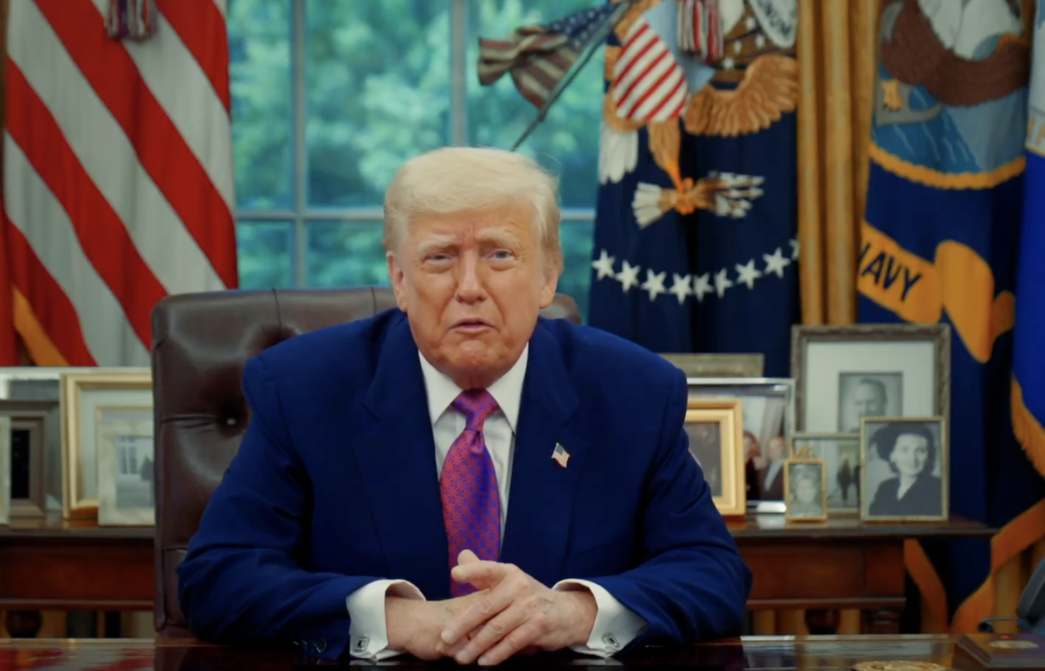
President Donald Trump on Tuesday signed an executive order that requires banks to take a closer look at the citizenship of their customers, a new measure in his administration’s push to clamp down on people living in the country illegally.
The order directs bank regulators and government departments to look for signs that people without legal status are opening accounts or obtaining loans or credit cards. The White House framed the decision around financial risk, arguing that banks could face losses if a customer were deported and any loans could no longer be repaid.
“We will not permit risks to our financial system posed by the extension of credit or financial services to the inadmissible and removable alien population,” the White House said.
What the Order Actually Does
The order is less aggressive than banks had feared. Earlier reports suggested the White House was drafting an order that would make collecting customers’ citizenship information mandatory. Instead, the signed order offers guidance rather than a mandate — a significant victory for the banking industry, which had been lobbying aggressively against a mandatory requirement.

Since banks have never collected any information about their customers’ citizenship or immigration status, there are no reliable public figures on how much risk these customers actually pose to the financial system. The White House’s risk argument is based on an assumption, not data.
A study by the left-leaning Urban Institute estimated that between 5,000 and 6,000 mortgages were issued to customers with Individual Taxpayer Identification Numbers, which are typically used by undocumented workers in place of a Social Security Number. The study found that banks were already highly reluctant to lend to individuals with ITINs, and that government-backed lenders Fannie Mae and Freddie Mac are also generally reluctant to insure such mortgages.
In other words, the risk the White House claims to be addressing may already be minimal.
The Treasury Secretary’s Push
Treasury Secretary Scott Bessent has been signaling for weeks that some sort of action was coming.
“There should be stricter rules” to open bank accounts, Bessent said last month. “Why can the unknown foreign nationals come and open a bank account?”
Claiming bank executives were supposed to “know your customer,” Bessent asked, “So how do you know your customer if you don’t know if they have legal or illegal status, whether a U.S. citizen or green card holder?”
The banking industry successfully argued that mandatory citizenship checks would be expensive and require vast amounts of paperwork. The final order reflects that lobbying effort — guidance, not mandate.
The Broader Crackdown on the Financial System
The executive order is not the administration’s first move against undocumented workers using the financial system. The Treasury Department announced last November that it would reclassify certain refundable tax credits as “federal public benefits,” a change that bars some immigrant taxpayers from receiving them — even if they file and pay taxes and would otherwise qualify.
Tax experts said that immigrants brought to the U.S. illegally by their parents as children — known as DACA recipients — and immigrants with Temporary Protected Status would be largely affected by that change.
Immigration advocates have warned that any order targeting banking access would likely result in undocumented immigrants moving out of the financial system entirely, increasing the number of “unbanked” individuals. People without bank accounts are more vulnerable to theft, have less ability to save, and are harder for the government to track.
The Bottom Line
President Trump signed an executive order requiring banks to take a closer look at the citizenship of their customers, a new measure in the administration’s immigration enforcement push. The order directs regulators to look for signs that people without legal status are opening accounts or obtaining loans. However, the order stops short of making citizenship checks mandatory — a concession to the banking industry, which lobbied aggressively against a stricter requirement.
The White House argues that banks face credit risks if a customer is deported and loans cannot be repaid. But banks have never collected citizenship data, so the actual risk is unknown. The Treasury Department has already taken other steps to discourage undocumented workers from using the financial system, including reclassifying certain tax credits as “federal public benefits.”
The order is signed. The guidance is issued. Now banks have to figure out what “a closer look” actually means — and millions of customers may soon find their banking habits under scrutiny.