
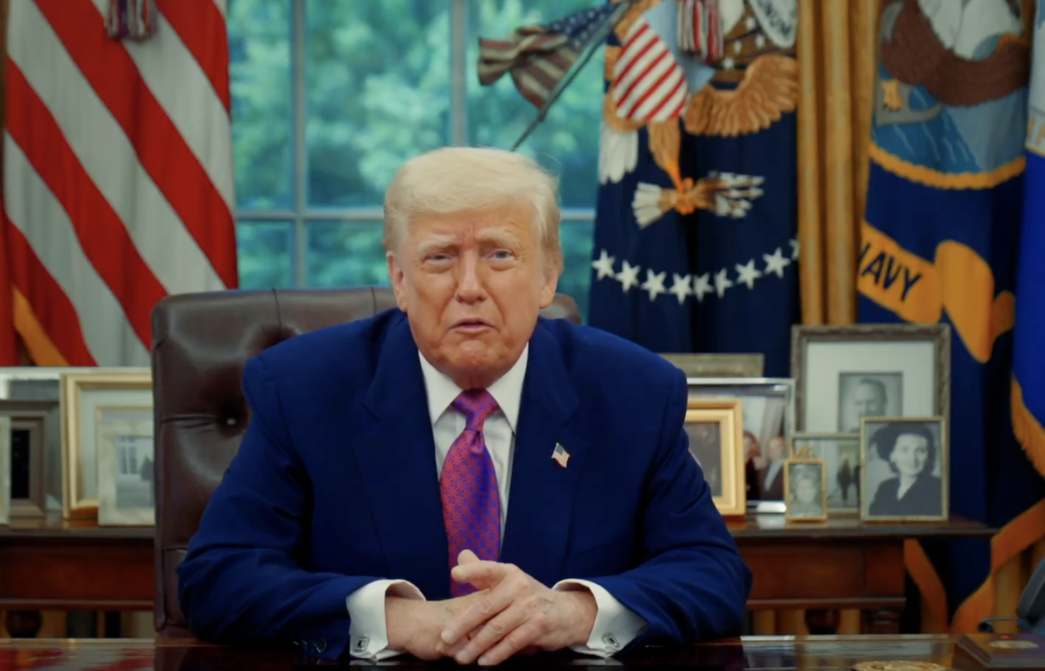
President Donald Trump announced early Monday that he has ordered a five-day postponement of military strikes against Iranian power plants. The decision came just hours before a 48-hour deadline that threatened to plunge the Middle East into a “dark age” of infrastructure warfare. Trump revealed on Truth Social that his envoys, Jared Kushner and Steve Witkoff, have been engaged in intensive negotiations with a high-level Iranian official, notably avoiding the Supreme Leader, whom Trump suggested is no longer the primary decision-maker.
The Cost of an Ultimatum
The delay follows a weekend of “water terror” threats. While a strike on Iran’s grid would be devastating, Tehran’s promised retaliation, striking desalination plants in the UAE, Qatar, and Saudi Arabia, would have turned the Gulf’s “gleaming desert cities” into uninhabitable zones within days.
Nations like Qatar and Bahrain rely on desalination for 100% of their drinking water. International Energy Agency chief Fatih Birol warned that the current crisis is officially worse than the 1970s oil shocks and the 2022 Ukraine gas shortage combined. Before the postponement, Iran’s Defence Council threatened to mine the entire Persian Gulf, effectively turning the entire body of water into a “no-go zone” similar to the blockaded Strait of Hormuz.
Markets React to “The Art of the Deal”
The news sent Brent Crude tumbling 13%, briefly dropping below the $100 mark. Investors who had braced for a global energy collapse reversed course, sending U.S. stock futures up 1.3%. However, the ground reality remains grim. Even as Trump spoke of peace, the Israeli military launched a fresh wave of strikes on Tehran and Khorramabad, targeting infrastructure and residential buildings, killing at least six people.
Trump is utilizing his signature “maximum pressure” tactic to force a face-to-face summit. By publicly claiming he is dealing with a “respected leader” who isn’t the Supreme Leader, he is effectively trying to induce a coup or a radical shift in Iranian internal politics.
However, the risk is twofold: First, Israel appears to be operating on its own timeline, potentially sabotaging U.S. diplomacy with continued strikes. Second, by moving the goalposts by five days, Trump risks appearing indecisive if the Strait of Hormuz remains closed. If the “Total Resolution” doesn’t materialize by Friday, the “ticking time bomb” will be even louder, and the oil markets will react with a vengeance.